
 EN
EN
 ar
ar bg
bg hr
hr cs
cs da
da nl
nl fi
fi fr
fr de
de el
el hi
hi it
it ko
ko no
no pl
pl pt
pt ro
ro ru
ru es
es sv
sv tl
tl iw
iw id
id lv
lv lt
lt sr
sr sk
sk sl
sl uk
uk vi
vi et
et hu
hu th
th tr
tr fa
fa ms
ms hy
hy ka
ka ur
ur bn
bn mn
mn ta
ta kk
kk uz
uz ku
ku
Automated Equipment Test Cable
Kingmach Automated Equipment Test Cable include test dedicated shielded wire JMZX-XPX and hydraulic cable JMZX-XSX. JMZX-XPX uses a composite shielding structure for anti-interference work where low-loss sensor signal transmission is needed. It is suited to precise monitoring signals in harsh environments, especially when nearby power equipment or construction activity may affect readings. JMZX-XSX is a special cable for hydraulic engineering, using multi-layer sealing and water-resistant insulation to support power and signal transmission in underwater or humid conditions. Both cables are part of Kingmach Measurement & Monitoring Technology's accessory range for structural monitoring instruments.
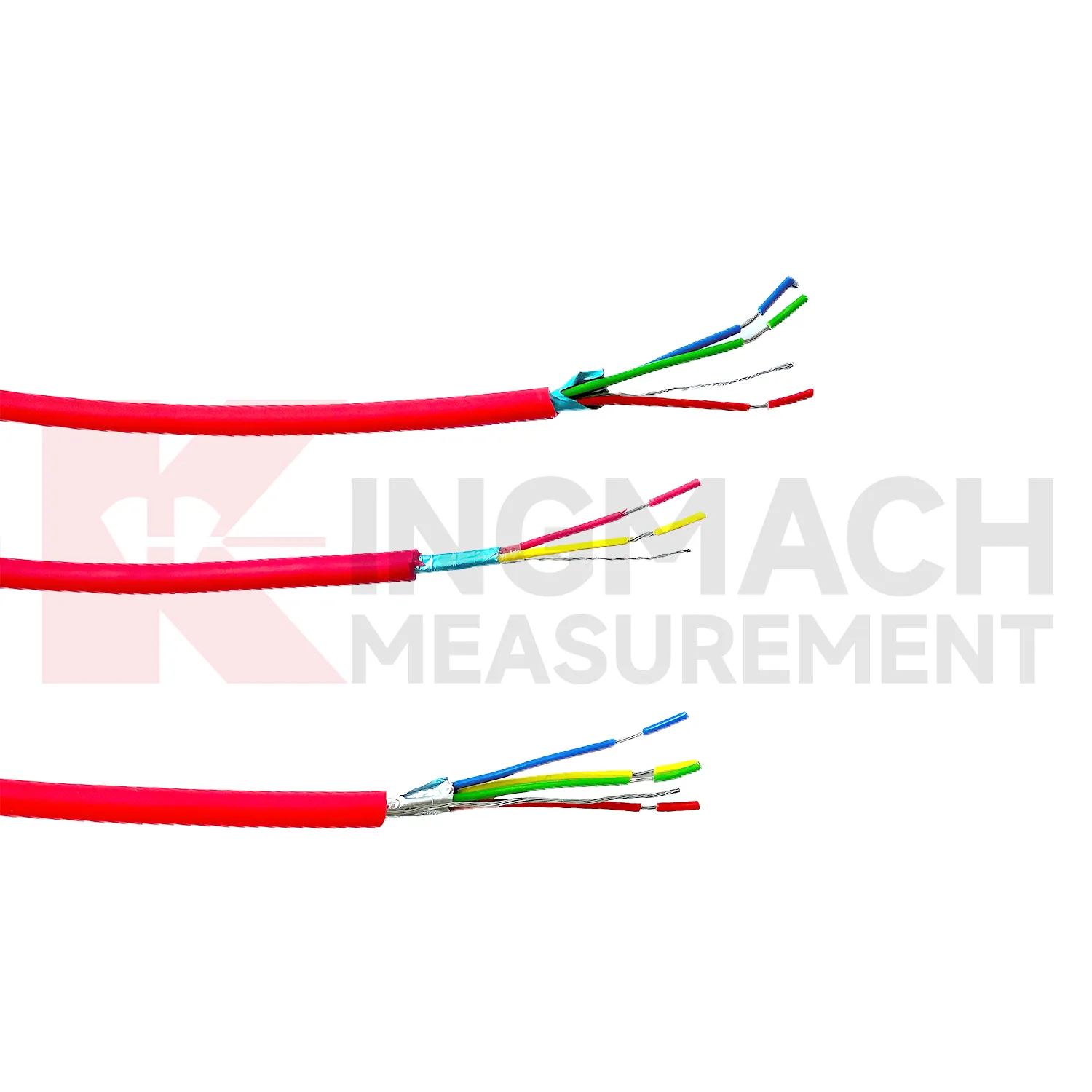
Application of Automated Equipment Test Cable
Wind tower monitoring uses Kingmach Automated Equipment Test Cable to connect strain, tilt, vibration, foundation, and environmental instruments exposed to moving structures and changing weather. Cables may run inside towers, around foundations, through junction boxes, or near power equipment. Shielding helps protect weak measurement signals near electrical systems, while wear resistance helps during repeated inspection or service work. When a tower vibration or tilt record changes, the team can inspect cable fixation, connector sealing, and cabinet entry before treating the reading as a structural issue.
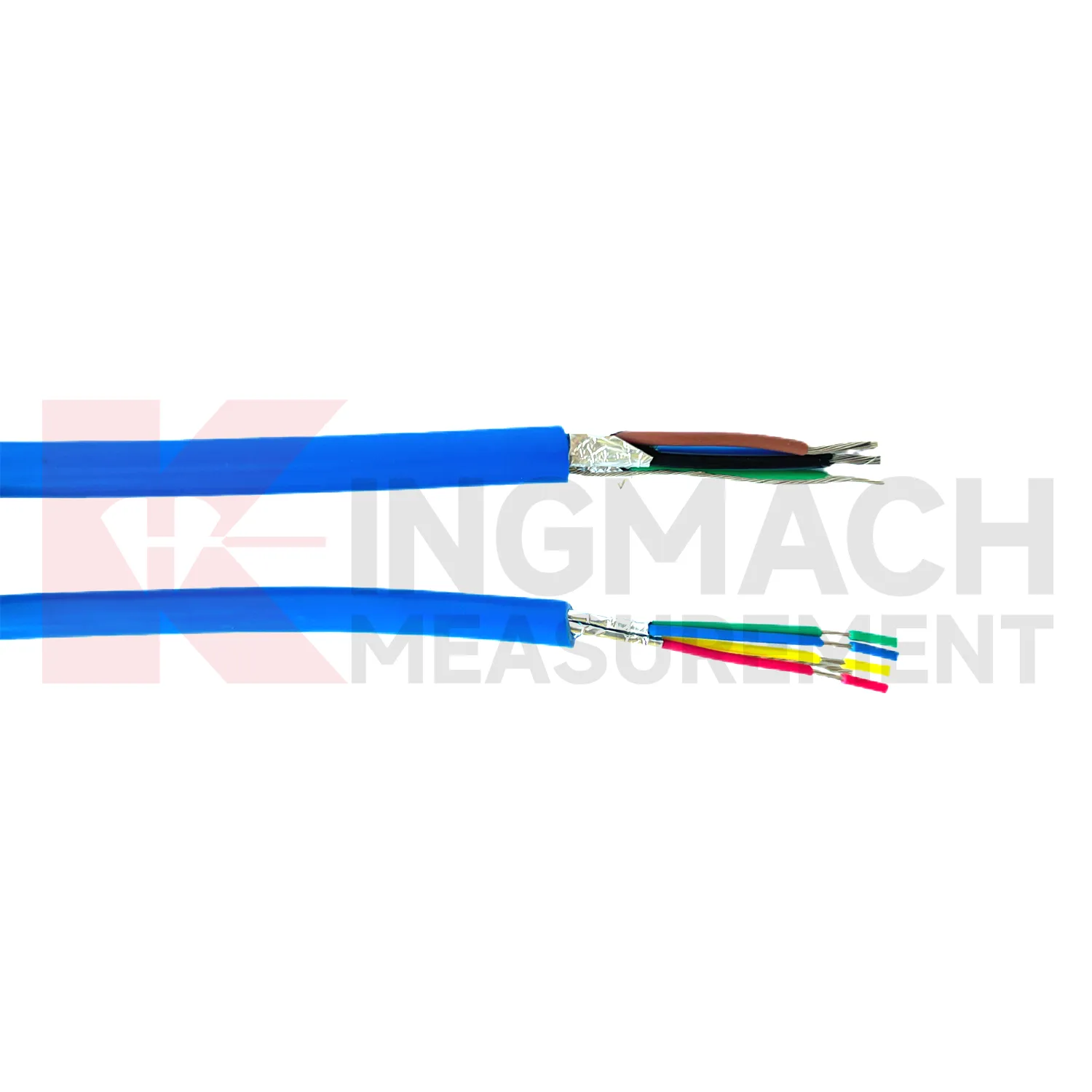
The future of Automated Equipment Test Cable
Future water-related monitoring will place more emphasis on Kingmach Automated Equipment Test Cable with sealing and tensile performance. Climate pressure, heavier rainfall, flood control, dam inspection, drainage management, and coastal infrastructure all increase the need for stable data in wet areas. JMZX-XSX is aligned with these needs through its multi-layer sealing, water-resistant insulation, and stronger waterproof and tensile behavior. Good cable planning will help teams keep hydraulic monitoring points active when conditions are hardest to access.
Care & Maintenance of Automated Equipment Test Cable
When replacing Kingmach Automated Equipment Test Cable, preserve the traceability of the old and new route. Record cable model, core count, reason for replacement, removed section condition, new termination details, and first stable data after replacement. Do not hide the replacement by forcing the data record to look continuous without notes. Future reviewers need to know whether a change in reading came from the structure, the sensor, the cable, or the maintenance action. Clear replacement records protect both engineering interpretation and owner confidence.
Kingmach Automated Equipment Test Cable
On site, Kingmach Automated Equipment Test Cable help crews keep the cabinet organized from the first pull. Multi-core versions allow several conductors to travel through one planned route, which is cleaner than scattering unrelated spare wires around a junction box. The installer can separate shielded signal paths, hydraulic wet-zone paths, and protected conduit sections before terminations begin. A good field record lists cable model, used cores, spare cores, entry gland, terminal number, and first reading check. Months later, that record lets maintenance staff work on one channel without loosening stable neighboring lines.
FAQ
Q: What should be confirmed before placing an order?
A: Confirm project quantity, required core format, expected delivery length, packaging demand, payment terms, and receiving schedule.
Q: What minimum order quantity is shown?
A: The local product pages list a minimum order quantity of one piece.
Q: How is pricing handled?
A: Pricing is listed as negotiable, so the buyer should confirm quantity, model, packaging, and project delivery details with Kingmach.
Q: What delivery term appears in the local files?
A: Shipment is listed within 30 days after full payment receipt, subject to the order and project arrangement.
Q: What certifications are shown?
A: The product information lists ISO9001, ISO14001, and ISO45001 certification for Kingmach.
Reviews
James Thompson
The tiltmeters and accelerometers are very sensitive and provide precise data. Perfect for our structural health monitoring system.
David Wilson
We purchased displacement transducers and settlement sensors, and the quality exceeded our expectations. Easy installation and reliable performance.
Latest Inquiries
To protect the privacy of our buyers, only public service email domains like Gmail, Yahoo, and MSN will be displayed. Additionally, only a limited portion of the inquiry content will be shown.
Isabella***@gmail.comGermany
Hello, we are evaluating weir flow meters for a water management project. Please share accuracy deta...
Ava***@gmail.comAustralia
Hi, I am looking for reliable tiltmeters and accelerometers for structural health monitoring. Please...
Related product categories
- Singlelayer Shielded Test Cable
- Multicore Shielded Test Cable
- 2core / 4core / 6core / 8core Hydrological Cable
- Corrosionresistant Hydrological Cable
- Shielded Hydrological Cable
- Multicore Hydrological Cable
- Data Transmission Cable
- Automated Equipment Test Cable
- Sensor Shielded Test Cable
- Motor Shielded Test Cable
- Signal Cables
- Test dedicated shielded wire