
 EN
EN
 ar
ar bg
bg hr
hr cs
cs da
da nl
nl fi
fi fr
fr de
de el
el hi
hi it
it ko
ko no
no pl
pl pt
pt ro
ro ru
ru es
es sv
sv tl
tl iw
iw id
id lv
lv lt
lt sr
sr sk
sk sl
sl uk
uk vi
vi et
et hu
hu th
th tr
tr fa
fa ms
ms hy
hy ka
ka ur
ur bn
bn mn
mn ta
ta kk
kk uz
uz ku
ku
Differential Displacement Meter
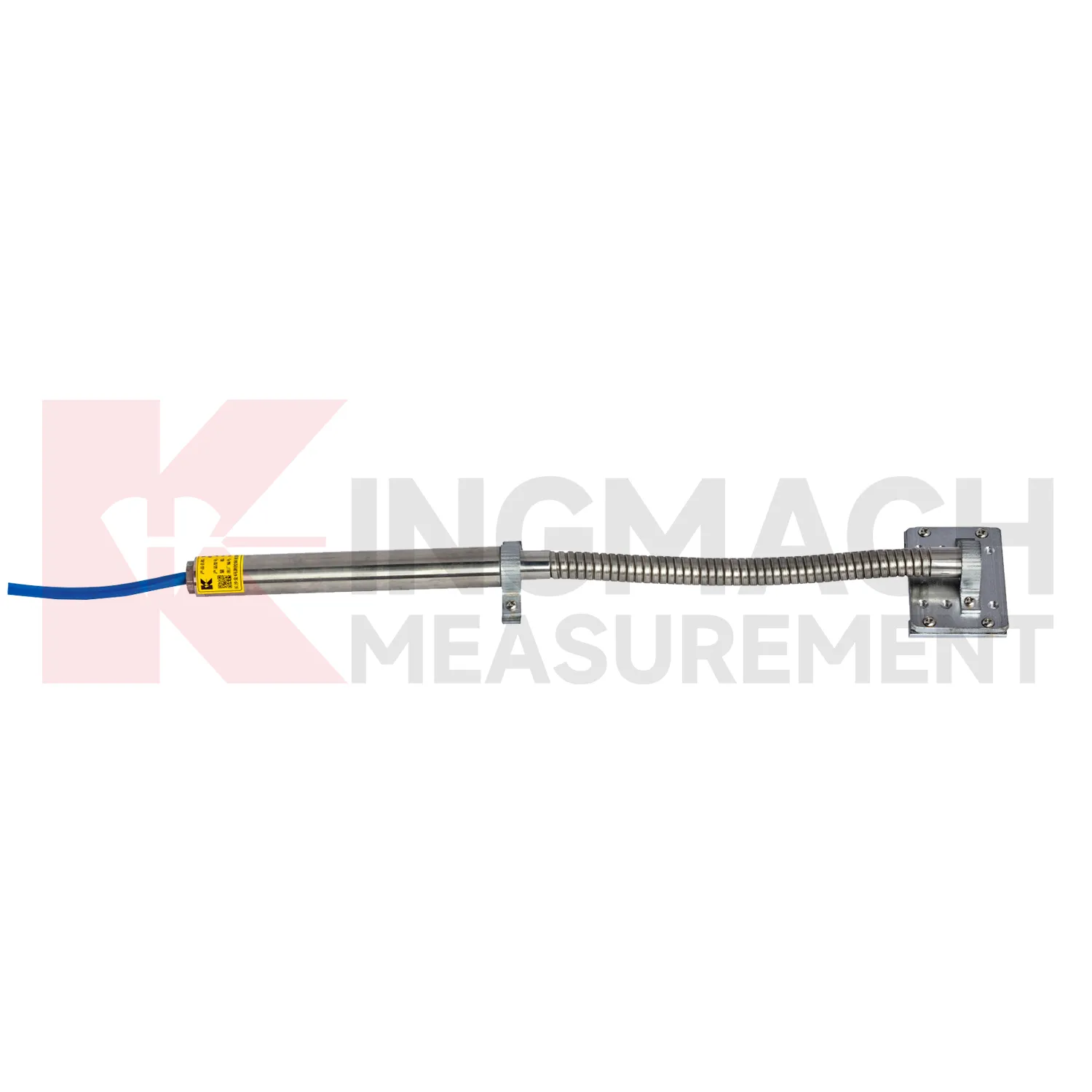
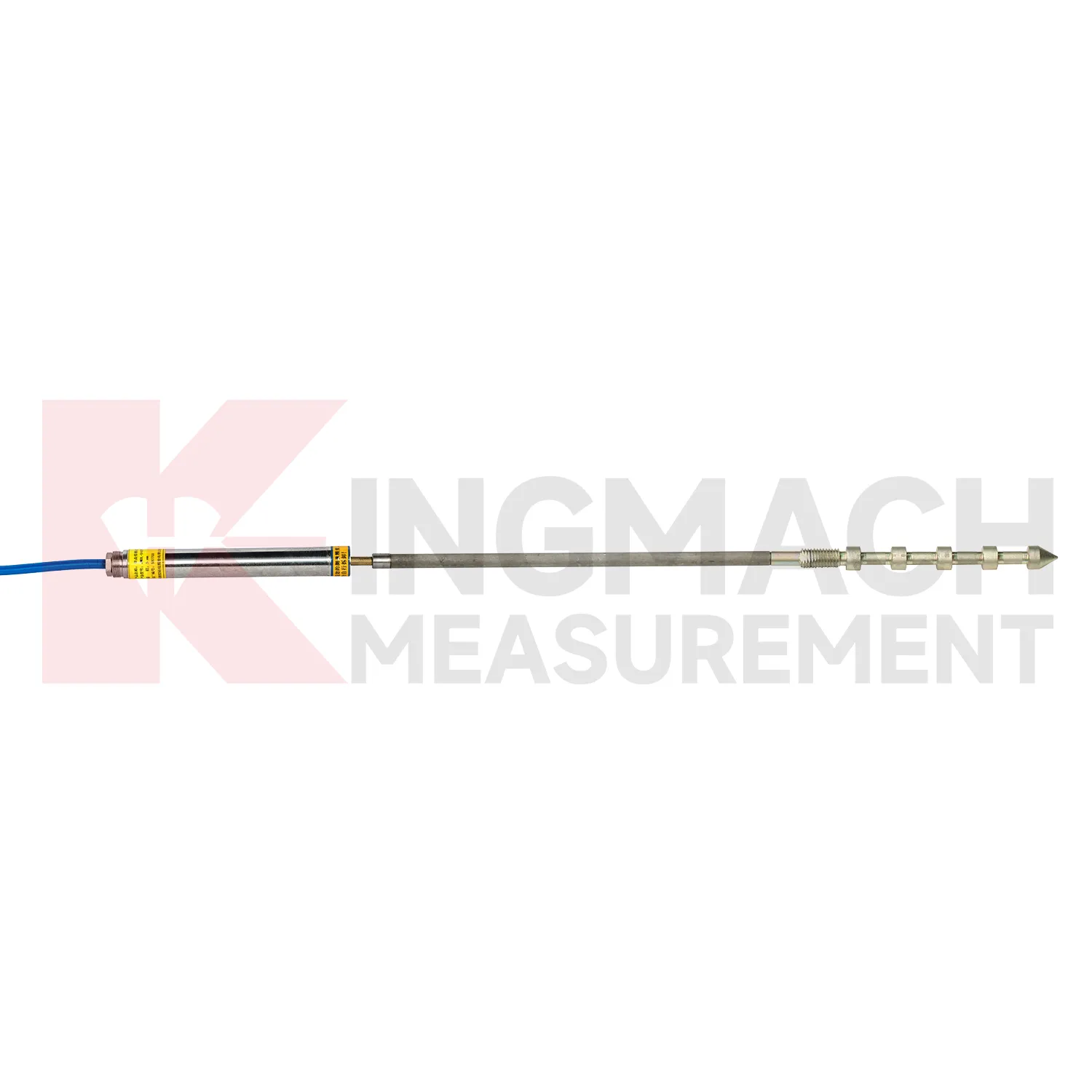
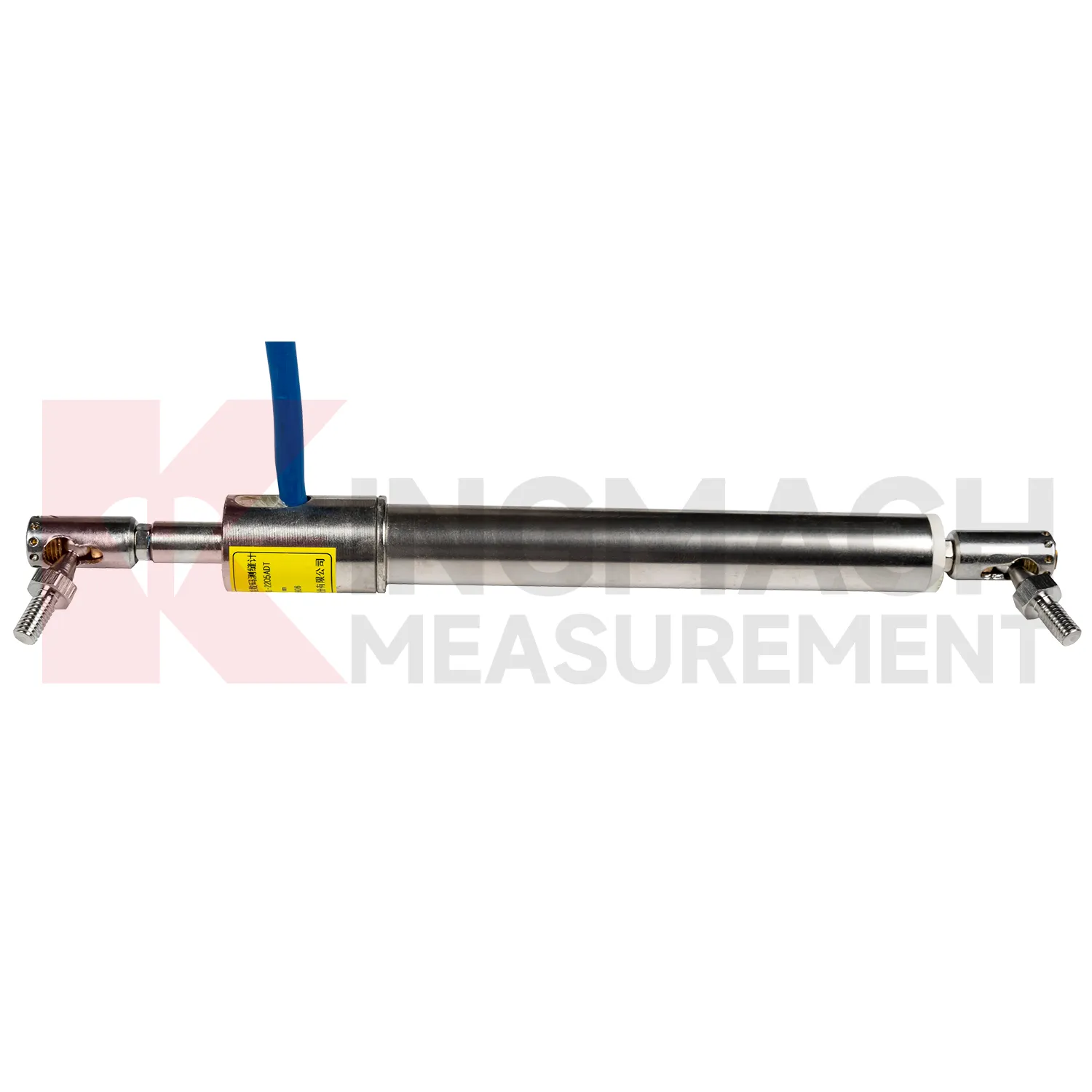
For reinforced soil and geogrid work, Kingmach Differential Displacement Meter include the JMDL-24XXAT Smart Flexible Displacement Meter. This product is built around patented inductive flux frequency modulation technology and is designed for deformation or strain monitoring in geogrid materials used in reinforced soil and pile-net subgrade foundations. The measuring rod extension is flexible, so it can deform with the geogrid while both ends are clamped by mounting brackets for reliable strain transfer. Listed ranges are 30 mm and 50 mm, with 0.01 mm sensitivity and 0.5%FS accuracy. The non-contact measurement layout keeps the measuring rod and internal coil independent, reducing damage risk during installation and service. A 20-point curve fitting process supports nonlinear correction and accurate displacement output. Kingmach lists a designed service life of up to 30 years for this product, which fits long-term railway, roadbed, slope, and foundation monitoring where buried materials cannot be visually inspected after construction. For this model, the installation record should focus on geogrid layer position, bracket clamping force, fill sequence, compaction stage, cable exit route, and the first stable value after backfilling. Those details are different from crack monitoring because the sensor is working with buried reinforcement deformation rather than an exposed joint. During later review, the curve should be checked with settlement, traffic loading, rainfall, and earthwork records so engineers can understand how the reinforced soil body is behaving.
Application of Differential Displacement Meter
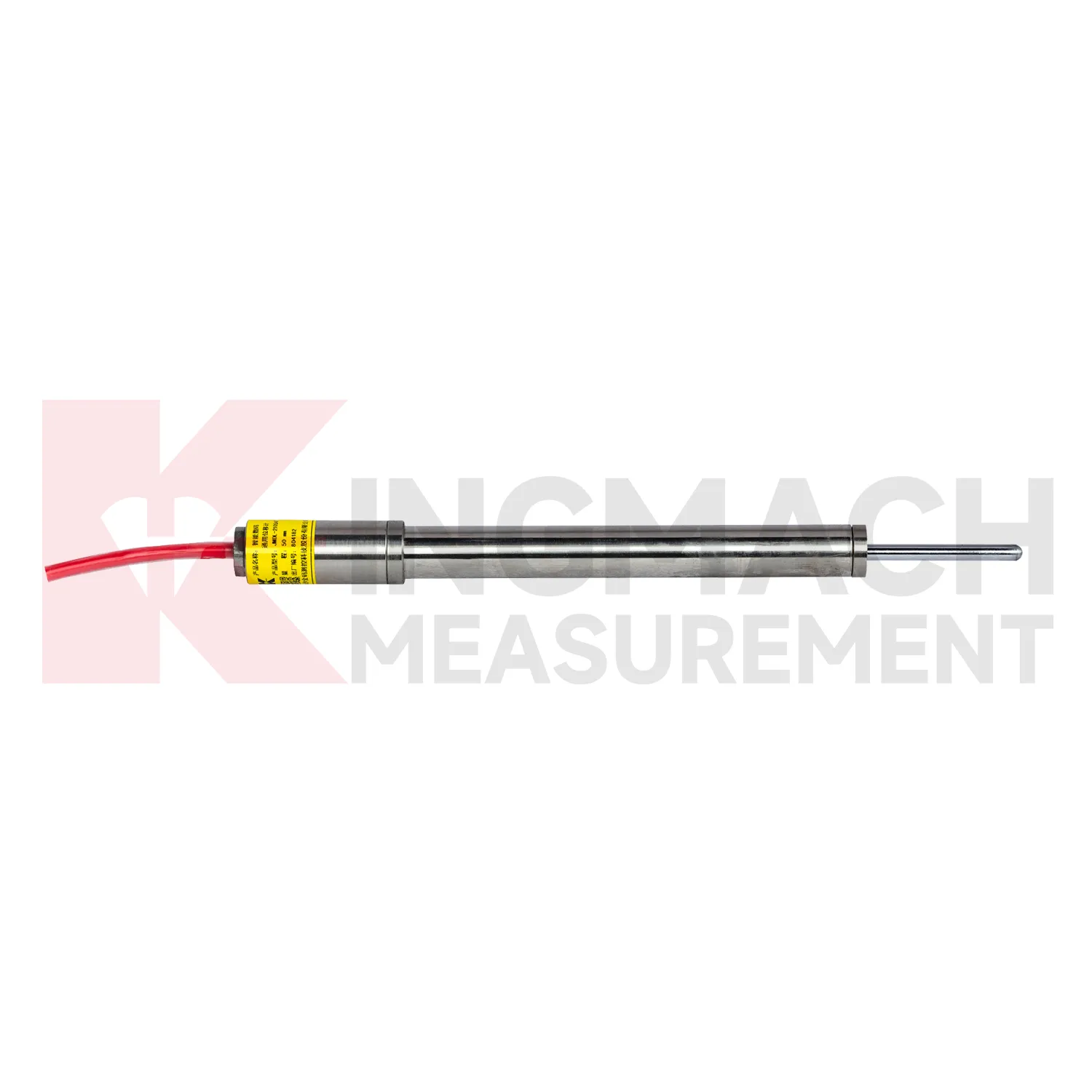
In crack and joint monitoring, Differential Displacement Meter give engineers a direct view of width change rather than a note from visual inspection. This is important for bridges, buildings, tunnel linings, dams, road structures, railway structures, and slope retaining works where a crack may open, close, or move with temperature and load. Kingmach JMDL-22XXAT Smart Crack Gauge is designed for cracks, joints, and expansion joints, with listed 20 mm, 50 mm, 100 mm, and 200 mm ranges. Resolution is 0.01 mm for the 20 mm to 100 mm models and 0.05 mm for the 200 mm model, with 0.5%FS accuracy. Different measuring rods and universal bases allow the instrument to fit varied joint widths and installation angles. Stored model data, serial number, calibration coefficient, and up to 600 measurement records help teams compare early baseline values with later movement after traffic changes, rainfall, repair, vibration, or structural loading. During operation, the monitoring team should keep the baseline, temperature, inspection notes, and nearby sensor behavior in the same review file. This makes it easier to tell whether a movement trend comes from normal service, a repair event, changing load, water influence, or developing structural risk. Clear records also help owners decide when a field inspection is needed instead of waiting for visible damage.
The future of Differential Displacement Meter
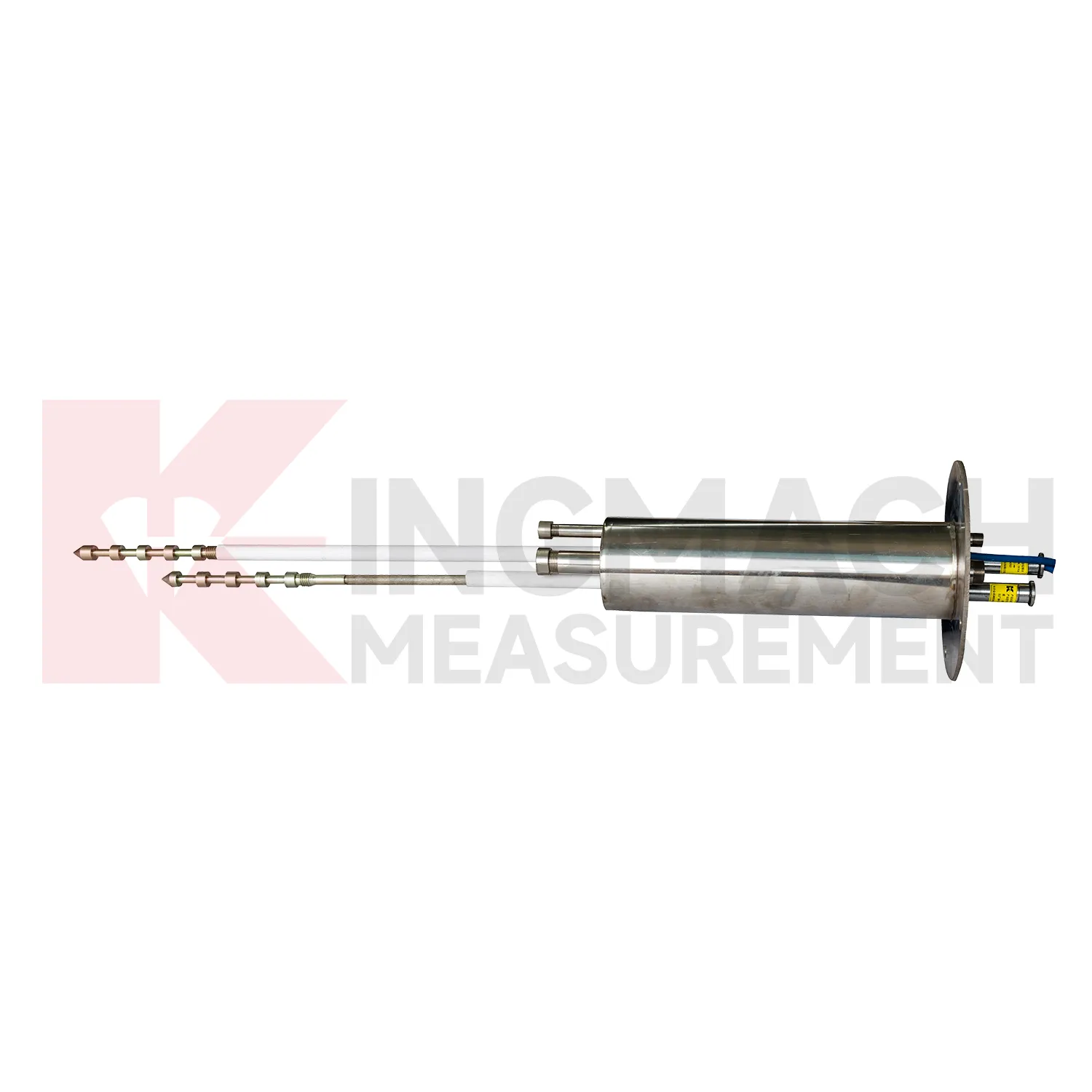
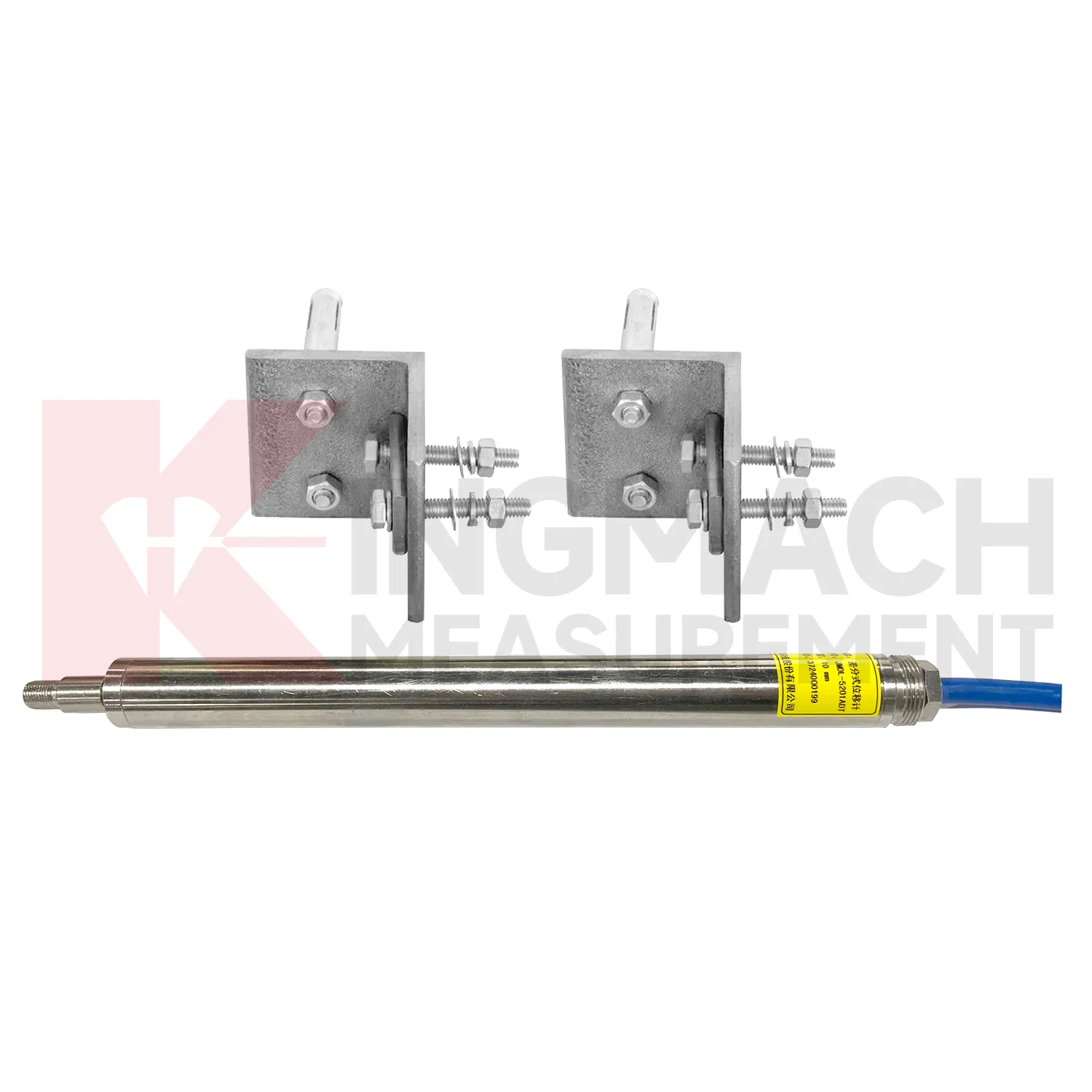
The future of Differential Displacement Meter in infrastructure will depend on better integration with digital twins and asset management records. A displacement reading becomes more useful when it is tied to a drawing location, construction stage, material zone, inspection photo, and repair history. Kingmach products such as JMDL-31XXAT multipoint meters and JMDL-32XXAT bedrock meters can represent movement at depth, while JMDL-52XXADT differential meters and JMDL-22XXAT crack gauges represent surface or joint movement. Future platforms can map these readings onto tunnel sections, dam galleries, bridge joints, or slope profiles, allowing engineers to see where deformation is growing. This is especially useful when movement is small but repeated. A millimeter trend may not seem urgent in one report, but over months it may show a clear relationship with rainfall, traffic, excavation, or water level. The strongest systems will still depend on careful installation, because digital tools cannot correct a loose bracket, wrong range, or poorly recorded baseline. Clear reporting will make displacement monitoring more useful for non-specialist decision makers while preserving the detail engineers need.
Care & Maintenance of Differential Displacement Meter
For flexible geogrid Differential Displacement Meter, installation care is more important than later access because the product may be buried inside reinforced soil. Kingmach JMDL-24XXAT uses a bendable measuring rod, 30 mm and 50 mm ranges, 0.01 mm sensitivity, 0.5%FS accuracy, 20-point curve fitting, and a designed service life up to 30 years. Both ends of the geogrid should be clamped with the flexible sensor sections using mounting brackets so deformation transfers reliably. Avoid sharp bending, cable tension, bracket slippage, and damage during filling or compaction. Record the geogrid layer, chainage, depth, sensor direction, zero value, and backfill date. During operation, compare displacement with settlement and rainfall records. If the trend changes after heavy rain, traffic loading, or nearby excavation, inspect accessible cabinets and cables before deciding whether the buried geogrid movement itself has changed. Keep the installation photo, point number, zero value, and expected movement direction with the commissioning record for later review. If a reading changes after maintenance work, inspect the base, anchor, cable, and cabinet before assuming the structure itself has moved.
Kingmach Differential Displacement Meter
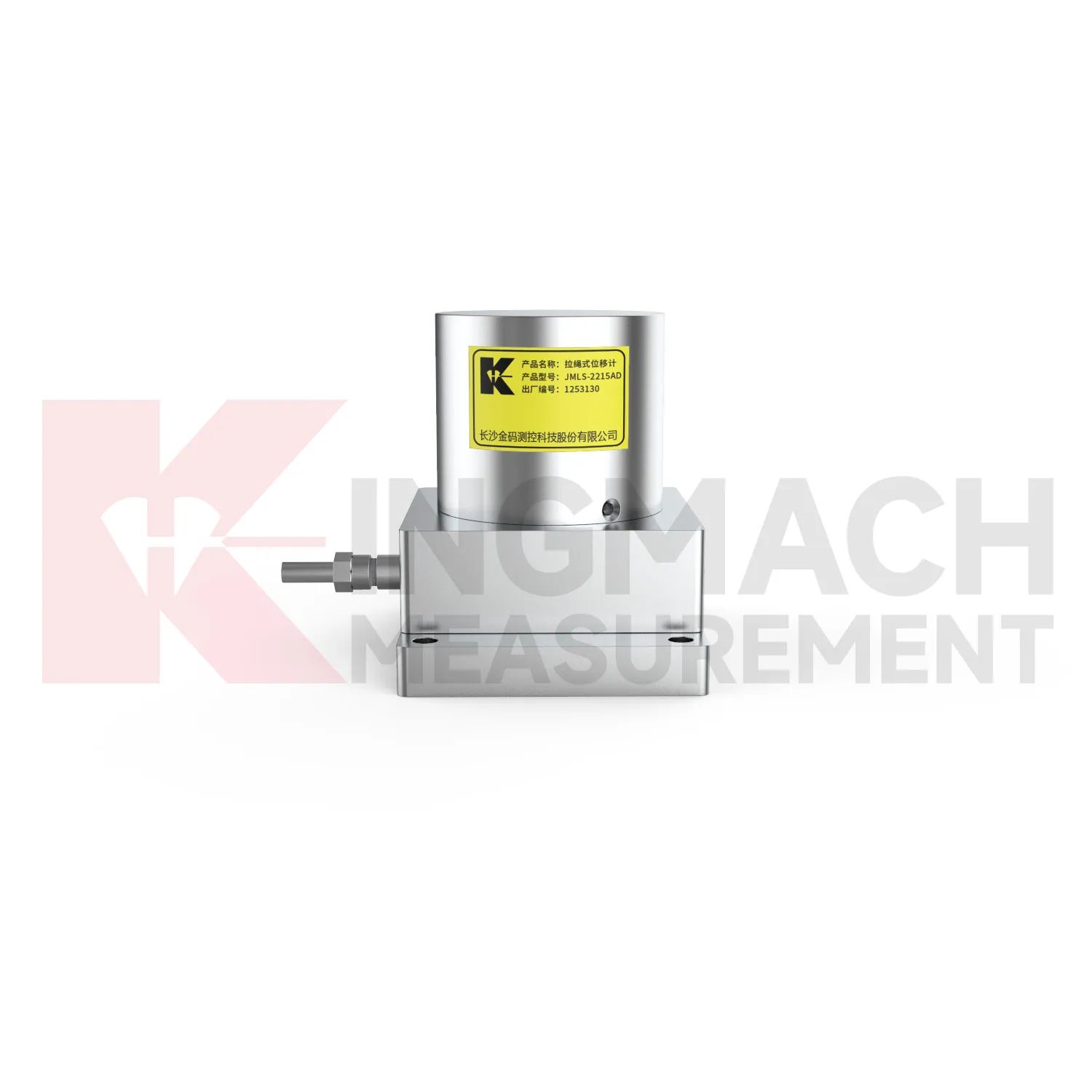
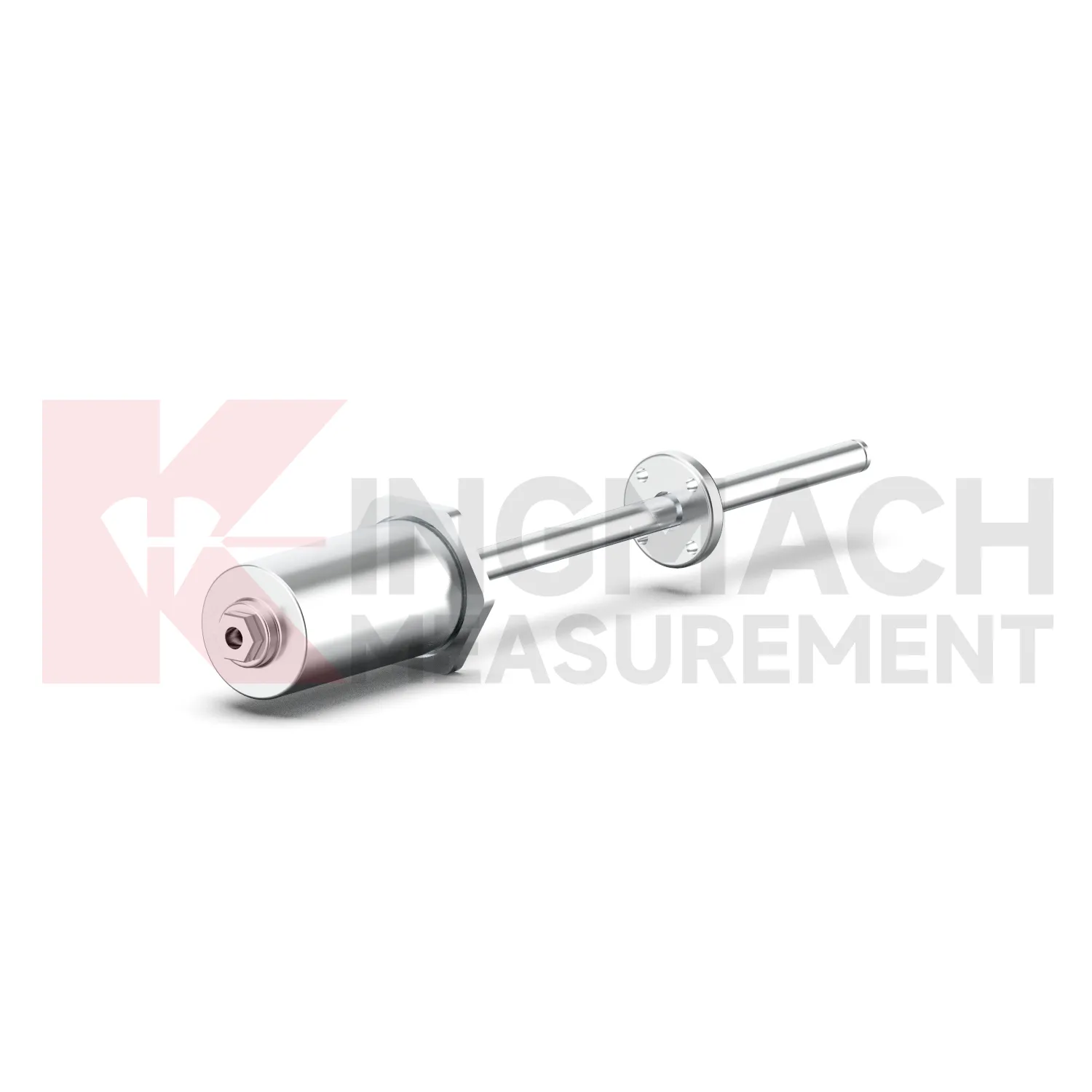
Differential Displacement Meter help engineers separate normal movement from structural risk. A bridge expansion joint may move with temperature, a tunnel lining may shift after excavation, and a slope may creep slowly before an alarm condition appears. Kingmach displacement products use several sensing routes, including inductive frequency modulation, differential coil measurement, magnetostrictive sensing, draw-wire conversion, and GNSS-based displacement tracking. Ranges can start at 20 mm for joint monitoring and extend to 2000 mm for draw-wire applications, while selected smart models store model data, serial numbers, calibration coefficients, zero values, temperature, and hundreds of measurement records. This makes the reading easier to trace during acceptance, maintenance, and later review. For a project buyer, the practical question is whether the movement point is exposed, embedded, multi-depth, long-distance, waterproof, or tied to geogrid. Kingmach provides different forms for those different site conditions. The point should be named on the drawing, linked with its cable route, and checked against the expected movement direction before the first automatic reading is accepted. For daily review, the reading should be compared with nearby points, recent weather, site operations, and any loading event that could explain the movement.
FAQ
Q: Which Differential Displacement Meter fit crack monitoring?
A: The JMDL-22XXAT Smart Crack Gauge is designed for cracks, joints, and expansion joints in bridges, buildings, roads, railways, dams, tunnels, and slopes.
Q: What ranges does the crack gauge list?
A: Listed models include 20 mm, 50 mm, 100 mm, and 200 mm ranges, with 0.01 mm resolution on the 20 mm to 100 mm versions and 0.05 mm on the 200 mm version.
Q: How many records can the crack gauge store?
A: Product information states that it can save up to 600 measurement results, including time, temperature for temperature versions, displacement values, and zero-point value.
Q: What installation details matter most?
A: Base stability, rod alignment, connector sealing, cable protection, and a clear zero reading matter more than a polished-looking installation.
Q: Can it be used for long-term observation?
A: Yes. The product is described for long-term monitoring, especially where crack width changes need stable and repeatable measurement.
Reviews
James Thompson
The tiltmeters and accelerometers are very sensitive and provide precise data. Perfect for our structural health monitoring system.
Ryan Lewis
Fast delivery and excellent product quality. The accelerometers and tiltmeters are highly reliable. Strongly recommend this company.
Latest Inquiries
To protect the privacy of our buyers, only public service email domains like Gmail, Yahoo, and MSN will be displayed. Additionally, only a limited portion of the inquiry content will be shown.
Isabella***@gmail.comGermany
Hello, we are evaluating weir flow meters for a water management project. Please share accuracy deta...
Amelia***@gmail.comSingapore
Hello, I am looking for visualization software for monitoring system data analysis. Please let me kn...
Related product categories
- laser displacement transducer
- lvdt displacement transducer
- magnetostrictive displacement transducer
- magnetostrictive linear displacement transducer
- strain gauge displacement transducer
- lvdt linear variable displacement transducer
- magnetic displacement transducer
- micro displacement transducer
- crack gauge
- crack monitoring gauge
- crack monitor gauge
- crack gauges