
 EN
 ar
 bg
 hr
 cs
 da
 nl
 fi
 fr
 de
 el
 hi
 it
 ko
 no
 pl
 pt
 ro
 ru
 es
 sv
 tl
 iw
 id
 lv
 lt
 sr
 sk
 sl
 uk
 vi
 et
 hu
 th
 tr
 fa
 ms
 hy
 ka
 ur
 bn
 mn
 ta
 kk
 uz
 ku

Welderable Strain Gauges
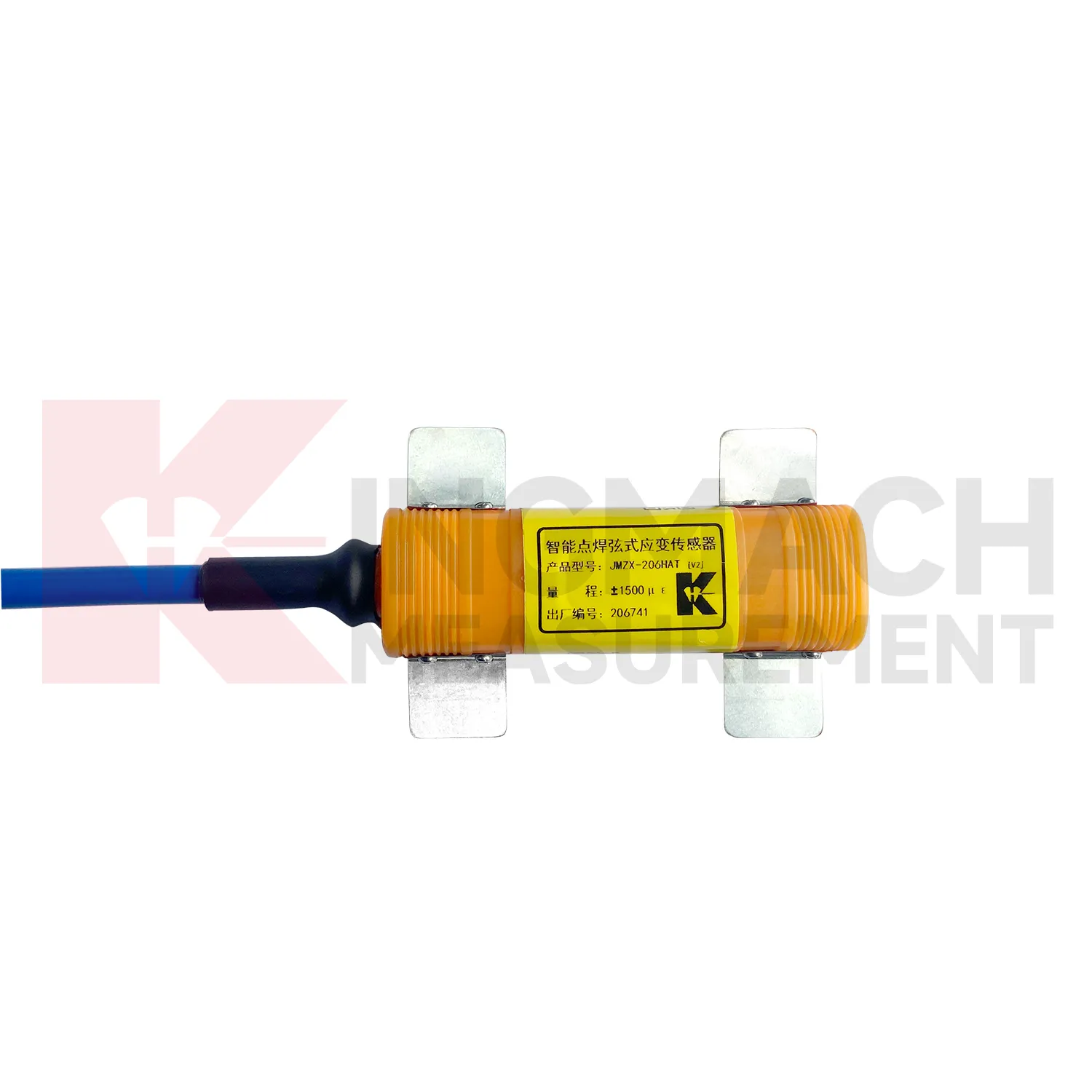
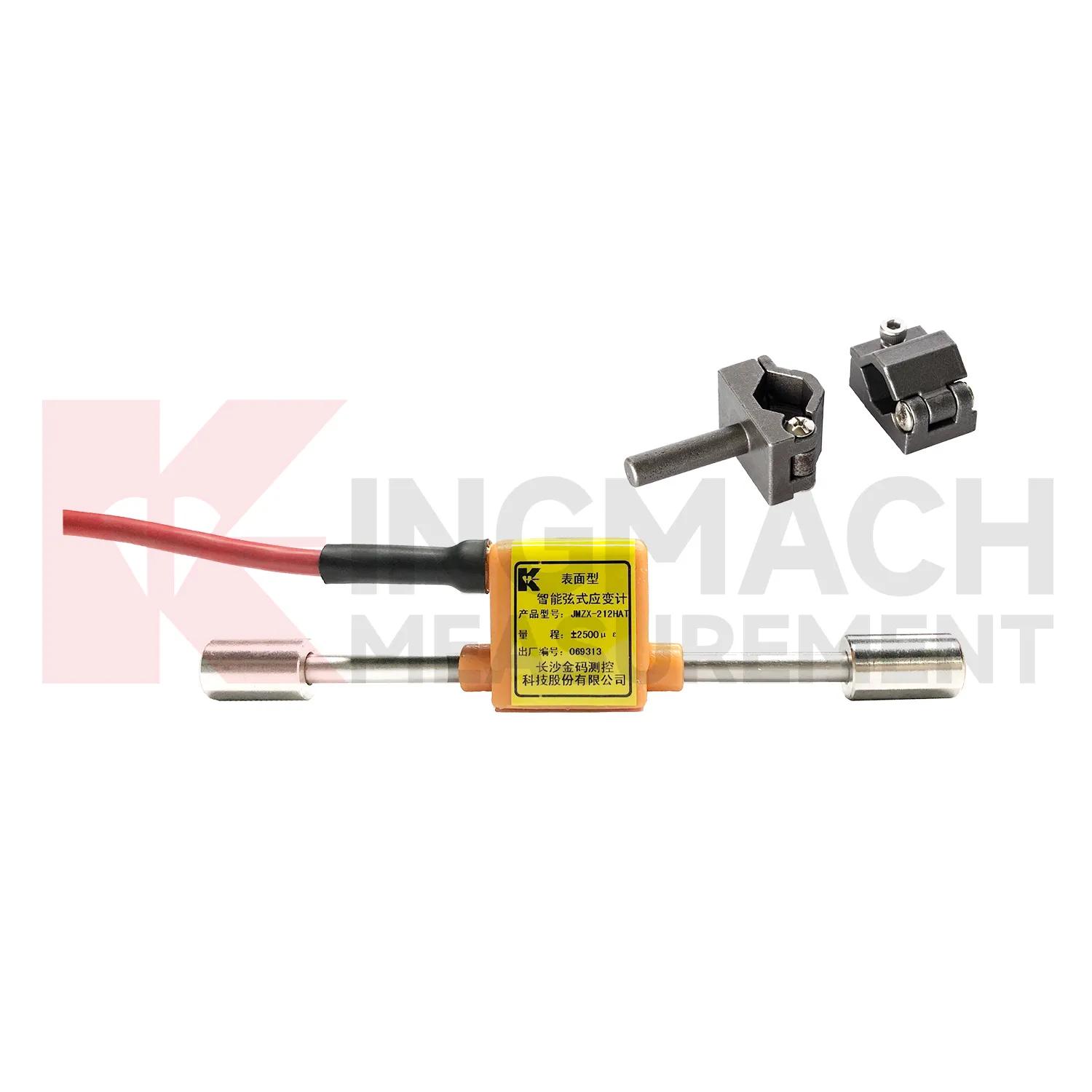
Kingmach {keyword} is designed for engineering strain monitoring where stable readings, field durability, and system compatibility matter. The JMZX-212HAT/HB surface model measures concrete or steel surface strain with a standard range of ±2500 microstrain, 0.5%F.S. strain accuracy, 0.1 microstrain resolution, and a 129 mm gauge length. Its vibrating wire structure uses welded anchoring and built in tension, which helps maintain reliable fixation without depending on shear resistance from the mounting base. The stainless steel fully sealed structure is rated for waterproof performance at depths up to 150 meters, making it suitable for wet or exposed field locations. When used with Kingmach comprehensive readout units or automated acquisition systems, readings can be displayed as physical values or frequency in Hz. The temperature version includes a built in temperature sensor, with a thermometer range from -40℃ to +120℃ and ±0.5℃ temperature measurement accuracy for strain correction. These details give procurement and engineering teams enough information to compare the product against site needs such as measuring range, waterproofing, temperature correction, installation method, and acquisition compatibility. They also keep the specification tied to tested product data instead of loose performance assumptions. A clear specification record reduces confusion when the same project uses surface, embedded, welded, and rebar based instruments together.
Application of Welderable Strain Gauges
In wind tower and tall structure monitoring, {keyword} can be installed on tower bases, steel sections, concrete transition areas, reinforcement, and connection zones to track bending stress, fatigue, and wind induced strain. These structures face repeated load cycles, vibration, temperature variation, and difficult access after commissioning. Kingmach welded strain gauges provide digital detection, strong anti interference capability, and storage for model data, serial number, calibration coefficients, and up to 800 records. Surface gauges can also provide 0.1 microstrain resolution and optional temperature correction. When strain data is reviewed with accelerometer and tiltmeter readings, operators can see whether tower movement and stress remain within expected patterns. This supports maintenance scheduling and helps avoid relying only on periodic visual inspection. This application also benefits from Kingmach's wider monitoring catalog. Strain can be checked against settlement, tilt, displacement, crack, piezometer, water level, and vibration data to avoid reading one channel out of context. This gives the project team a better way to separate normal behavior from a change that needs inspection. For field use, the strain point should be named, mapped, protected, and reviewed with nearby sensors before any alarm is judged. The same record can support staged construction control, post event inspection, and long term maintenance planning.
The future of Welderable Strain Gauges
The next generation of {keyword} will likely combine traditional vibrating wire stability with newer communication and analytics tools. MEMS devices, fiber optic sensing, LoRa transmission, 5G gateways, and edge computing will not replace every vibrating wire strain gauge, especially in long term civil monitoring, but they will change how data is collected and reviewed. Kingmach's position is strongest where sensors, acquisition hardware, and platform software work together. A surface gauge with 0.1 microstrain resolution, an embedded gauge with 150 meter waterproof durability, or a welded model with digital record storage can feed the same monitoring workflow. The trend is not vague intelligence. It is better sensor identity, fewer manual readings, faster comparison, and more reliable maintenance decisions. Kingmach's strain gauge range already gives a base for that shift because it includes waterproof vibrating wire models, temperature versions, digital detection, automated acquisition support, and platform connectivity. The strongest gains will come from cleaner records and faster fault checks.
Care & Maintenance of Welderable Strain Gauges
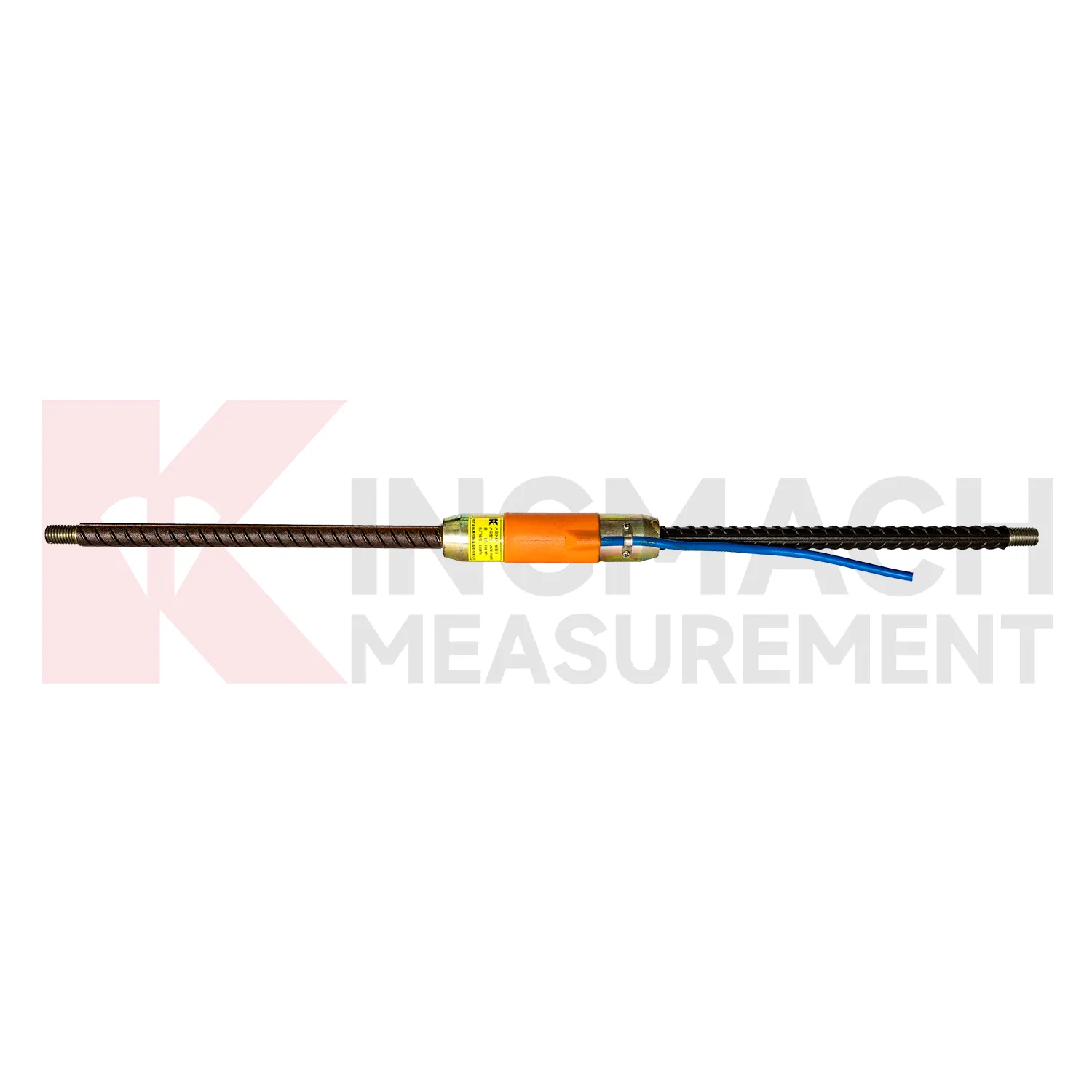
For rebar based {keyword}, installation should avoid weakening the reinforced concrete member. Kingmach JMZX-4XXHAT/HB rebar strainmeters are designed so the sensing section has strength matching the corresponding measured steel bar. During installation, confirm bar size, connection method, waterproof protection, and cable routing before the concrete pour. The model covers -200 MPa to 350 MPa with 0.1 MPa sensitivity and 0.5%F.S. accuracy. During long term use, maintenance teams should review stress trends together with concrete age, load changes, settlement, seepage, and temperature. If a channel drops out, check the junction box and cable continuity first because the embedded rebar section is usually not serviceable without structural work. These steps reduce avoidable service calls and help engineers separate real structural behavior from wiring faults, water ingress, acquisition errors, or temperature effects. Compare suspicious readings with nearby channels before repair decisions. Keep these checks in the project log.
Kingmach Welderable Strain Gauges
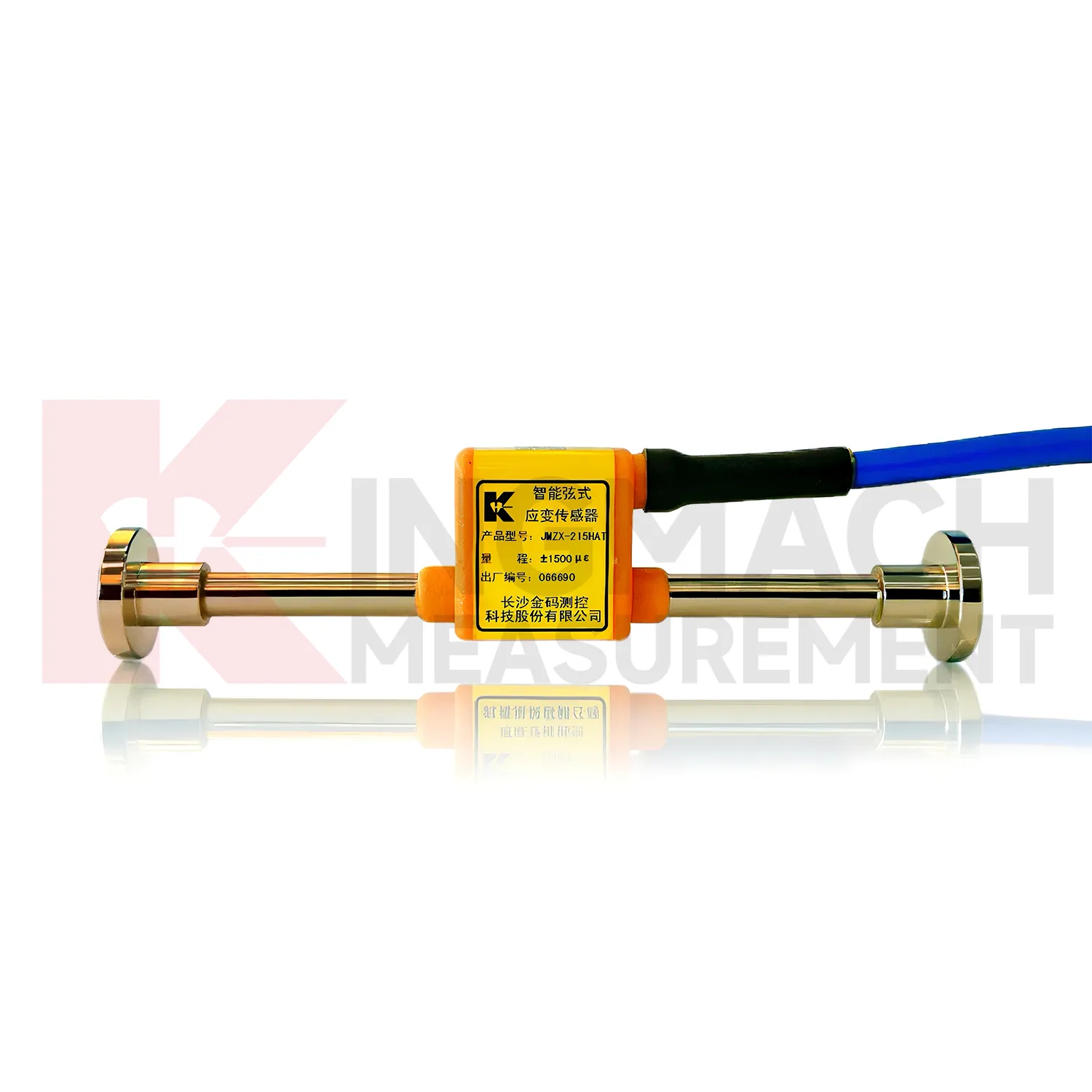
For reinforced concrete work, {keyword} can be installed where the stress path cannot be seen after pouring. Embedded gauges and rebar strainmeters allow engineers to follow internal strain, reinforcement stress, shrinkage, creep, and load transfer inside concrete members. Kingmach's JMZX-215HA/215HAT/HB embedded model is tied to rebar or mounted on brackets before concrete placement, while the JMZX-4XXHAT/HB rebar strainmeter measures stress in reinforcing steel. These instruments are useful in dams, bridges, pile foundations, cut off walls, tunnels, and large buildings. The data helps project teams understand whether the internal structure is carrying load as intended after construction advances. Because the monitoring point is selected around an engineering risk, the reading can support inspection planning, load review, reinforcement work, or acceptance testing. It also gives engineers a cleaner baseline for later comparison. The same data can guide inspection notes and repair timing. Site records matter. That field record supports later inspection.
FAQ
Q: Where is {keyword} used in bridge monitoring?
A: It can be installed on girders, decks, steel beams, reinforcement, piers, and other stress sensitive locations to track traffic load and fatigue behavior.
Q: How does it help tunnel monitoring?
A: Embedded or welded gauges can read lining strain, support force, reinforcement stress, and ground pressure effects during construction and service.
Q: Can it be used in dams?
A: Yes. Embedded and surface models are used for concrete strain, stress state review, temperature related movement, and long term dam safety monitoring.
Q: Is it useful for foundation pits?
A: Yes. Rebar strainmeters and welded gauges can monitor support stress, anchor force changes, brace behavior, and retaining structure response.
Q: What other sensors are often used with it?
A: Displacement meters, settlement sensors, tiltmeters, piezometers, water level meters, accelerometers, and temperature sensors are often used together.
Reviews
Andrew Lee
The visualization software is intuitive and powerful. It helps us analyze monitoring data efficiently.
Daniel Brown
Excellent environmental monitoring sensors. The data is consistent, and the system integrates smoothly with our existing setup.
Latest Inquiries
To protect the privacy of our buyers, only public service email domains like Gmail, Yahoo, and MSN will be displayed. Additionally, only a limited portion of the inquiry content will be shown.
Evelyn***@gmail.comSouth Africa
Hi, we are a contractor working on tunnel construction and need settlement sensors and displacement ...
Harper***@gmail.comIndia
Dear Sir, we are planning to procure a complete monitoring system including strain gauges, tiltmeter...
Related product categories
- strain gauge wheatstone bridge
- strain gauge data logger
- half bridge strain gauge
- sensor strain gauge
- strain gauge signal conditioner
- digital strain gauge indicators
- strain gauge data acquisition
- strain gauge data acquisition system
- strain gauge daq
- strain gauge meter
- strain gauge reader
- strain gauge full bridge force sensors