
 EN
EN
 ar
ar bg
bg hr
hr cs
cs da
da nl
nl fi
fi fr
fr de
de el
el hi
hi it
it ko
ko no
no pl
pl pt
pt ro
ro ru
ru es
es sv
sv tl
tl iw
iw id
id lv
lv lt
lt sr
sr sk
sk sl
sl uk
uk vi
vi et
et hu
hu th
th tr
tr fa
fa ms
ms hy
hy ka
ka ur
ur bn
bn mn
mn ta
ta kk
kk uz
uz ku
ku
machine vibration sensor
For seismic and impact-related projects, Kingmach machine vibration sensor help capture motion during short, important events. Earthquake activity, blasting, collapse risk, impact, and heavy construction can create signals that must be stored with accurate timing and location. The monitoring plan should make clear which points are critical, how records are triggered, and who reviews the event after it occurs. A sensor that works well in ordinary conditions still needs a data path ready for sudden motion. Dynamic monitoring in this setting is about preparedness, reliable capture, and reviewable evidence. The project record should also preserve field notes, related structural readings, and any inspection result after the event. That is what turns an acceleration trace into useful engineering information.
The report should not leave the waveform isolated. It should explain what the asset was doing, why the point was measured, which event triggered interest, and what follow-up action or observation was made.
Dynamic data can be sensitive to small field changes. A new bracket, nearby machine, temporary work platform, changed cable route, or software update can alter the record, so those changes belong in the maintenance history.
For owner handover, the file should include point photos, axis labels, acquisition settings, related structural channels, and examples of normal behavior. That helps future reviewers understand whether a later event is unusual.
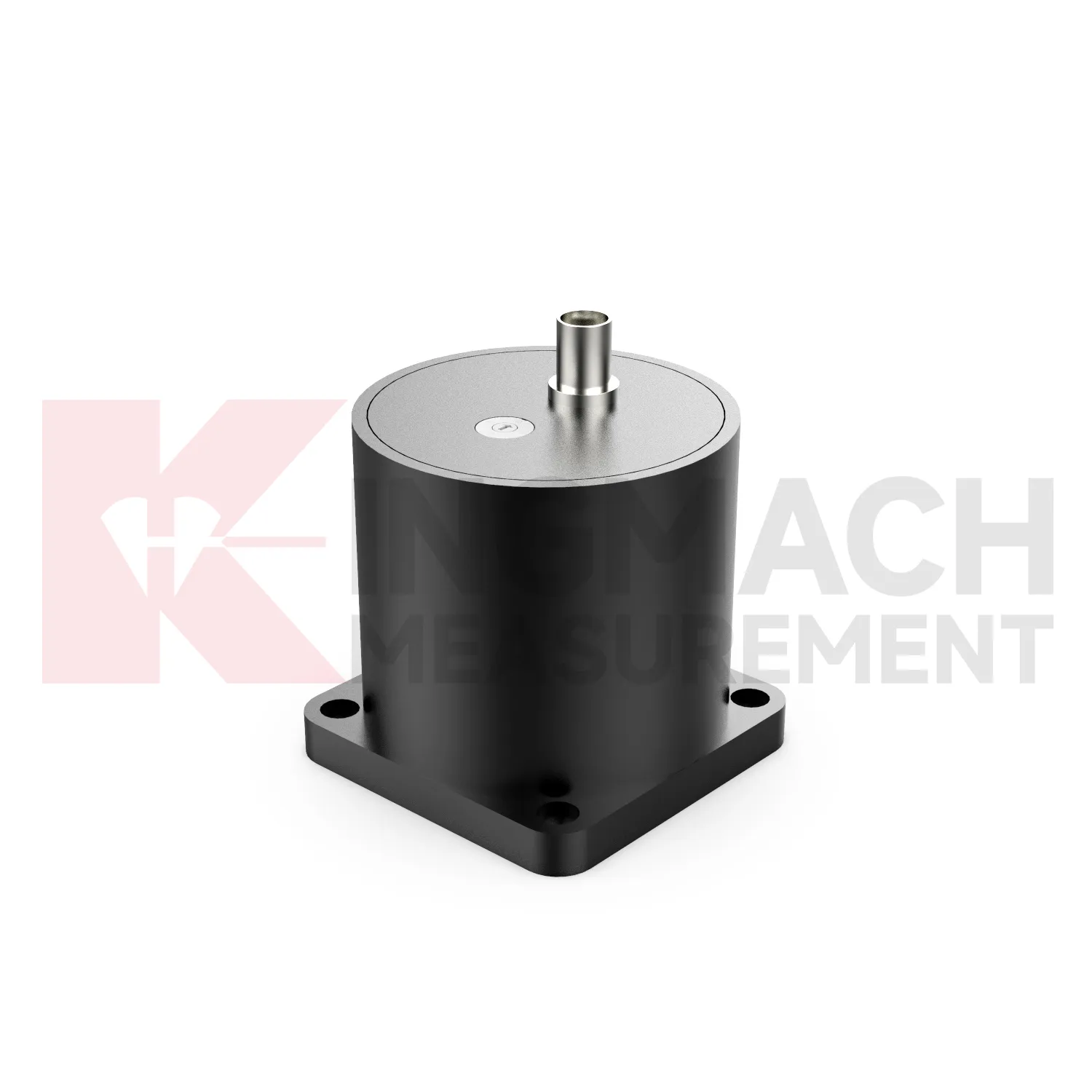
Application of machine vibration sensor
Earthquake and ground-motion monitoring use Kingmach machine vibration sensor to capture low-frequency or sudden dynamic movement in ground and structures. The value lies in recording timing, direction, and response pattern during events that cannot be repeated on demand. Sensor installation should be stable, protected, and documented before the event occurs. The monitoring plan should define which records are saved automatically and how the event is reviewed afterward. When ground motion data is combined with structural response and inspection findings, it becomes part of risk assessment instead of a stand-alone waveform. A site may look unchanged after an event, but the dynamic record can help decide whether hidden response deserves inspection.
Seismic records also need a different review rhythm from routine vibration. The important questions are where the motion was strongest, which direction dominated, whether nearby structures responded, and what inspection evidence appeared afterward. The report should preserve event time, point location, field condition, and any follow-up finding.
For long-term ground-motion stations, quiet periods are part of the value. They confirm that the system is ready before the next event and provide a reference for background activity. After an event, that reference helps engineers judge whether the recorded movement was unusual for the site.

The future of machine vibration sensor
Future Kingmach machine vibration sensor projects will connect dynamic records with other sensor layers. Acceleration should be reviewed beside strain, displacement, tilt, load, settlement, wind, temperature, and inspection notes. A vibration alarm means more when the engineer can see whether the structure also deflected, tilted, or experienced a known wind or traffic condition. This kind of data fusion will reduce false concern and help teams notice linked behavior. The sensor remains important, but the real gain comes from seeing the motion in context. Future platforms should make that context easy to view without hiding the raw record that engineers may need for detailed review.
Long-term monitoring benefits from repeatable procedure. When the same point, direction, event definition, and analysis method are preserved, new vibration records can be compared with earlier records in a defensible way.
The report should not leave the waveform isolated. It should explain what the asset was doing, why the point was measured, which event triggered interest, and what follow-up action or observation was made.

Care & Maintenance of machine vibration sensor
Cable and connector care is important for Kingmach machine vibration sensor because dynamic signals can be weakened by poor wiring. Inspect cable strain, connector tightness, water entry, abrasion, shielding, grounding, and cabinet terminals. A noisy or intermittent cable can look like a vibration event if the review process is weak. After site work, confirm that channel names still match the physical points. If a channel drops or spikes suddenly, inspect wiring and recent construction activity before assuming the structure changed. The data chain is part of the instrument. A good cable record reduces false alarms and keeps event review focused on the structure.
Long-term monitoring benefits from repeatable procedure. When the same point, direction, event definition, and analysis method are preserved, new vibration records can be compared with earlier records in a defensible way.
The report should not leave the waveform isolated. It should explain what the asset was doing, why the point was measured, which event triggered interest, and what follow-up action or observation was made.
Kingmach machine vibration sensor
Kingmach machine vibration sensor support structural health monitoring by turning motion into a reviewable data trail. For bridge and building work, the data may help identify dominant frequency, cable behavior, vibration level, and response after an impact or construction event. For ground and earthquake studies, the record may show pulse timing and motion intensity. For machinery and industrial structures, repeated patterns can point to operating conditions or resonance. The monitoring plan should define what counts as normal, what requires field inspection, and which related sensors should be checked before making a decision. This prevents the vibration record from becoming an isolated curve and makes it part of a structured review process.
For owner handover, the file should include point photos, axis labels, acquisition settings, related structural channels, and examples of normal behavior. That helps future reviewers understand whether a later event is unusual.
Weak-vibration review should include nearby walking, wind, traffic, equipment start-up, and construction activity because these sources can influence the trace. People walking nearby, wind, traffic, equipment start-up, and construction work can all influence the trace, so the field note should capture what was happening around the point.
FAQ
Q: How should a sensor position be selected?
A: Place it where the structure actually moves and where the record answers a clear engineering question.
Q: Why is mounting important?
A: Loose mounting can create a false vibration signal, so the sensor must be fixed to a stable surface.
Q: Why does axis direction matter?
A: The waveform only has meaning when reviewers know whether it represents vertical, lateral, longitudinal, or multi-direction motion.
Q:What should be recorded at installation?
A: Record point name, mounting face, axis direction, cable route, acquisition channel, first test record, and photos.
Q: Can sensors be moved after installation?
A: They can, but the move date, reason, new position, and new baseline test should remain visible in the record.
If the reading changes suddenly, the first check should include the sensor attachment, cable route, connector, channel name, and recent field activity. This prevents a maintenance issue from being mistaken for structural behavior.
Reviews
Daniel Brown
Excellent environmental monitoring sensors. The data is consistent, and the system integrates smoothly with our existing setup.
Joshua Clark
We ordered a full monitoring solution including sensors and data loggers. Everything works seamlessly together. Great supplier!
Latest Inquiries
To protect the privacy of our buyers, only public service email domains like Gmail, Yahoo, and MSN will be displayed. Additionally, only a limited portion of the inquiry content will be shown.
Isabella***@gmail.comGermany
Hello, we are evaluating weir flow meters for a water management project. Please share accuracy deta...
Harper***@gmail.comIndia
Dear Sir, we are planning to procure a complete monitoring system including strain gauges, tiltmeter...