
 EN
EN
 ar
ar bg
bg hr
hr cs
cs da
da nl
nl fi
fi fr
fr de
de el
el hi
hi it
it ko
ko no
no pl
pl pt
pt ro
ro ru
ru es
es sv
sv tl
tl iw
iw id
id lv
lv lt
lt sr
sr sk
sk sl
sl uk
uk vi
vi et
et hu
hu th
th tr
tr fa
fa ms
ms hy
hy ka
ka ur
ur bn
bn mn
mn ta
ta kk
kk uz
uz ku
ku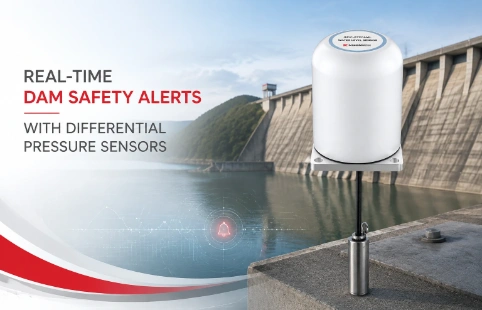
Real-Time Dam Safety Alerts with Differential Pressure Water Level Sensors
Key Takeaways An alert chain needs more than a sensor: define field in...

Acceleration Sensor Solutions for Demanding Monitoring Projects
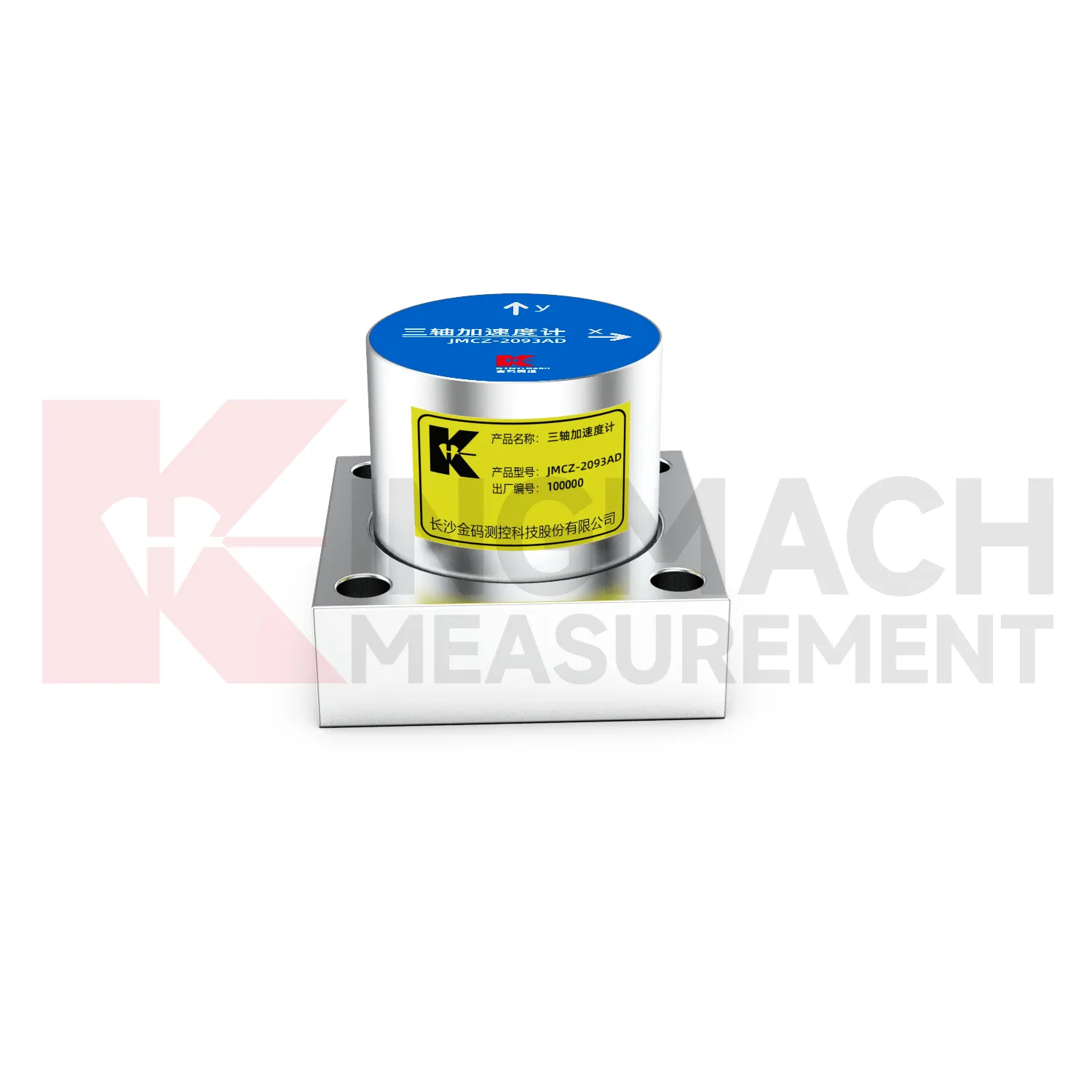
When monitoring bridges, tunnels, or slopes, small vibrations often carry big warnings. Acceleration sensors pick up those signals before they become visible problems. Kingmach focuses on geotechnical instruments, and acceleration measurement is part of that picture—whether it’s seismic activity, construction impact, or long-term structural drift. We don’t start from a catalog and ask you to fit your project into it. Most of our acceleration sensors are tailored to the specific frequency range, output signal, and housing requirements of the job. Some projects need MEMS-based sensors for low-frequency tilt, others call for piezoelectric versions for dynamic events. The common point is that data reliability has to hold in wet boreholes, hot attics, and sub-zero winters. That’s where the sensor housing, cabling, and internal damping become more than just specs. In this page, we walk through how acceleration sensors are used in geotechnical and structural monitoring, what to look for when specifying one, and how Kingmach supports distributors and integrators in building complete monitoring systems.
Technical Detail
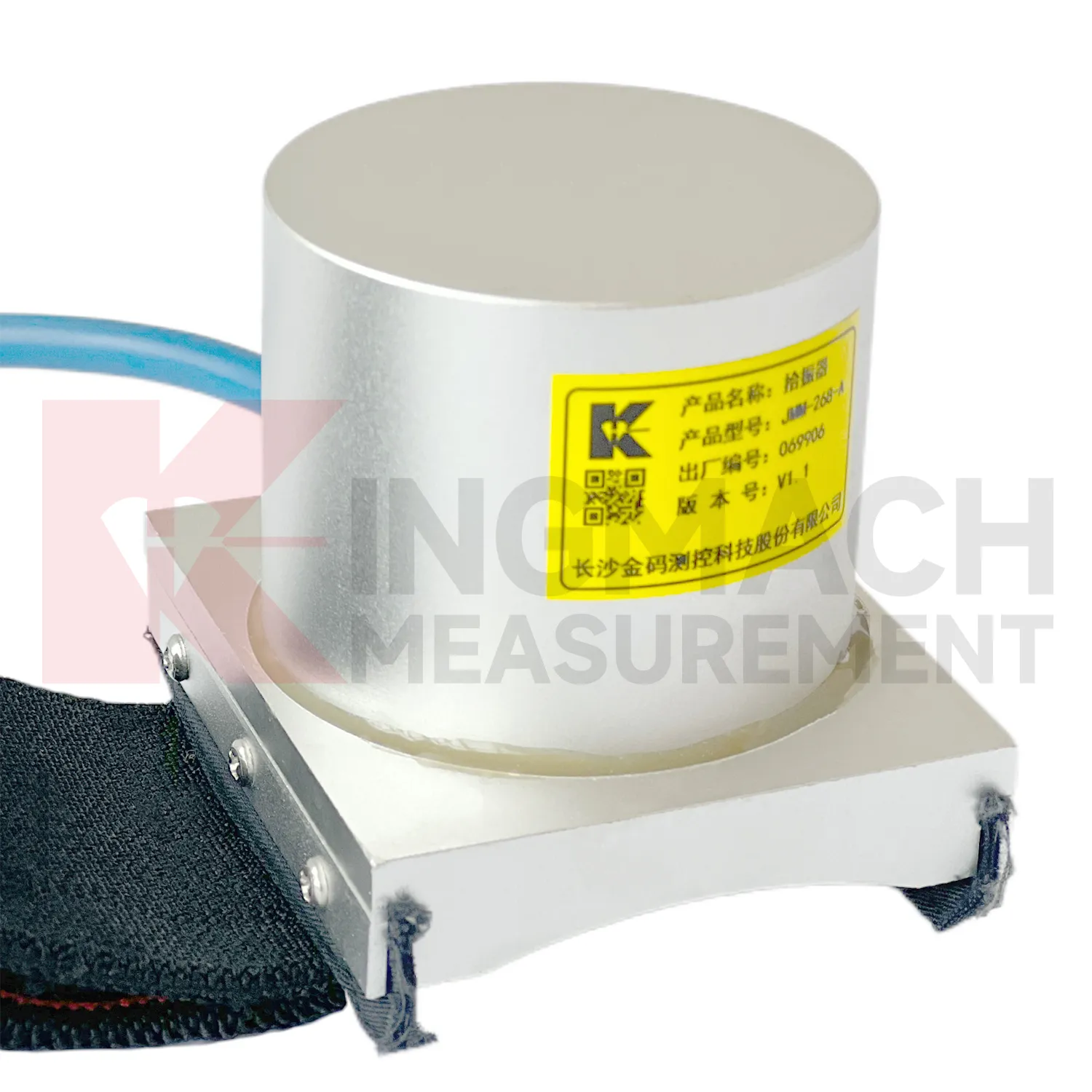
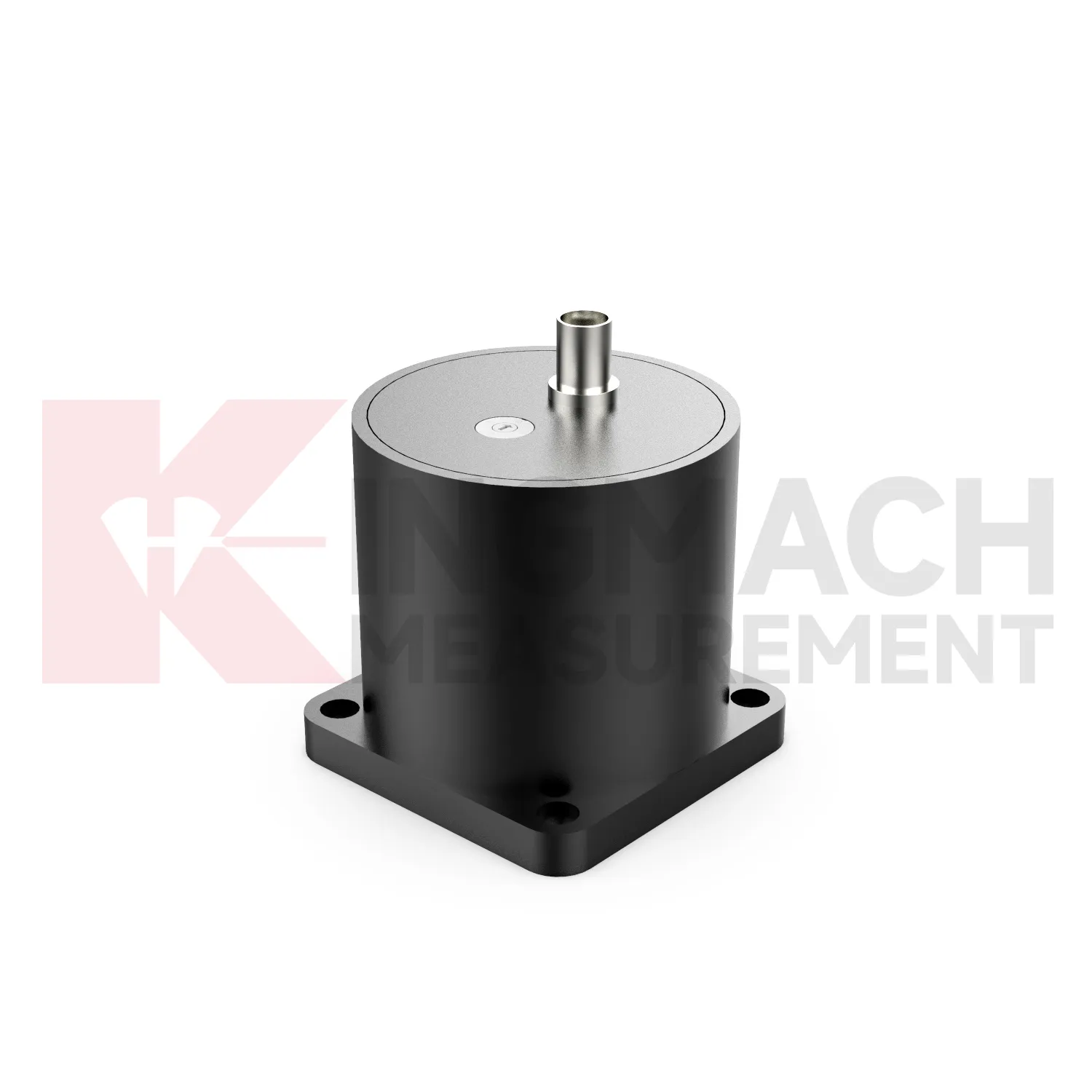
Acceleration sensors from Kingmach are built for long-term installation in field conditions, not for lab benches. That influences everything from the connector sealing to the output signal stability. Most sensors use a MEMS or piezoelectric element with a rugged stainless steel body and options for integrated signal conditioning. A few points engineers often ask about: the frequency response is typically flat from DC up to several hundred Hertz, which covers most civil engineering dynamics; the measurement range can be set between ±0.5g for tilt and ±10g for impact events; and the output is often voltage or current loop to work with standard dataloggers. Customization is the norm here. We regularly adjust cable lengths, mounting brackets, and even the internal damping to match a specific instrument tower or bridge pile. There’s no universal acceleration sensor for every project, so we keep the design flexible. Sensor protection matters too. For installations in embankment or concrete, the housing is usually rated IP68, with a dual-sealed cable gland. Users accessing data remotely through a wireless node or SCADA system will find our sensors integrate easily with most industrial loggers that accept 0-5V or 4-20mA inputs. Technical support and after-sales service are handled directly by our engineering team—not a call center—so questions about installation or signal noise get answered with specific troubleshooting steps. We ship globally through our distribution network and can provide test reports and calibration certificates if the project requires it. Ultimately, the acceleration sensor is one link in the monitoring chain; it needs to deliver repeatable data year after year without creating maintenance headaches. That’s the principle behind our design and support for these sensors.
News
Key Takeaways An alert chain needs more than a sensor: define field in...
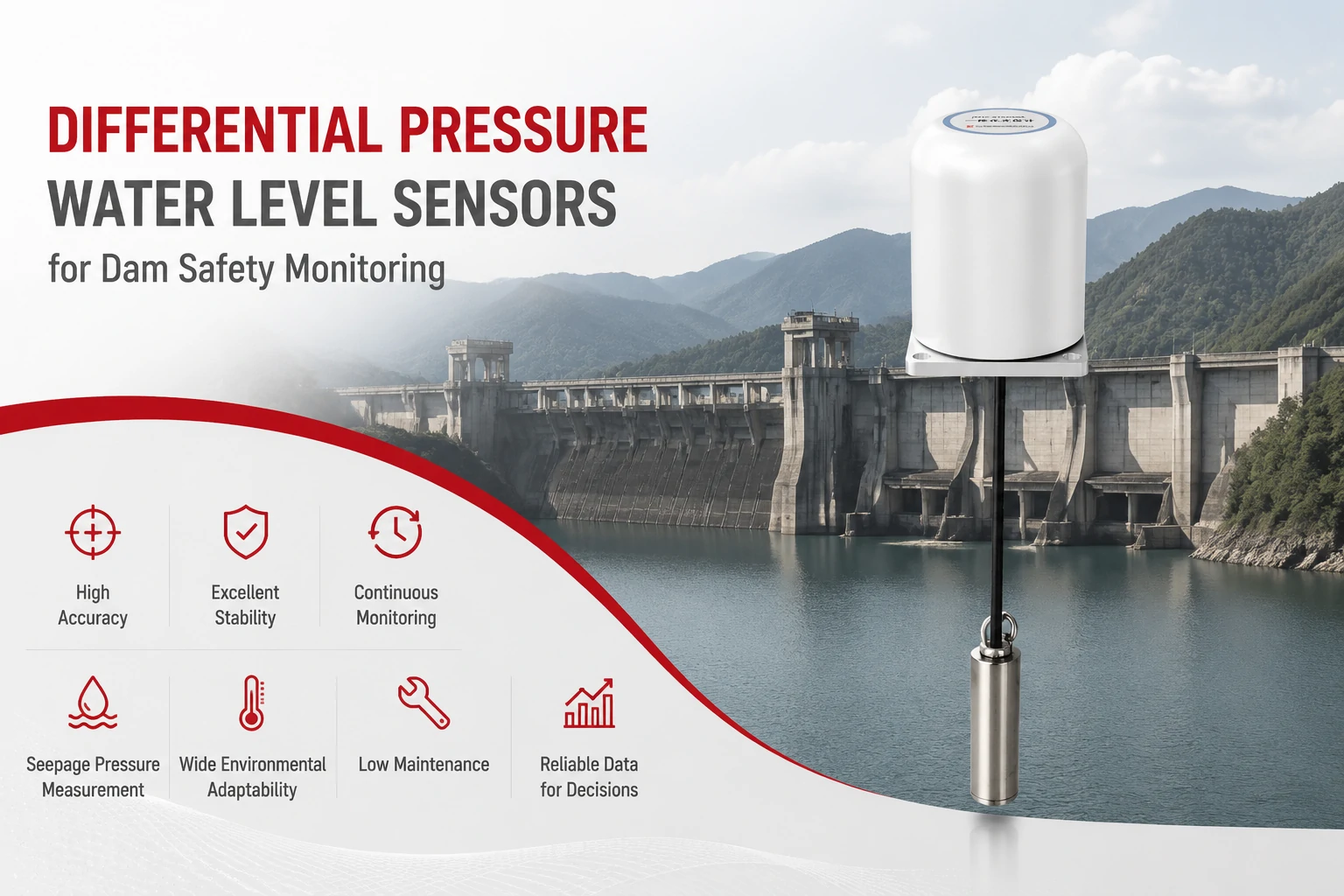
Key Takeaways The strongest fit is usually a confined, submerged, or s...
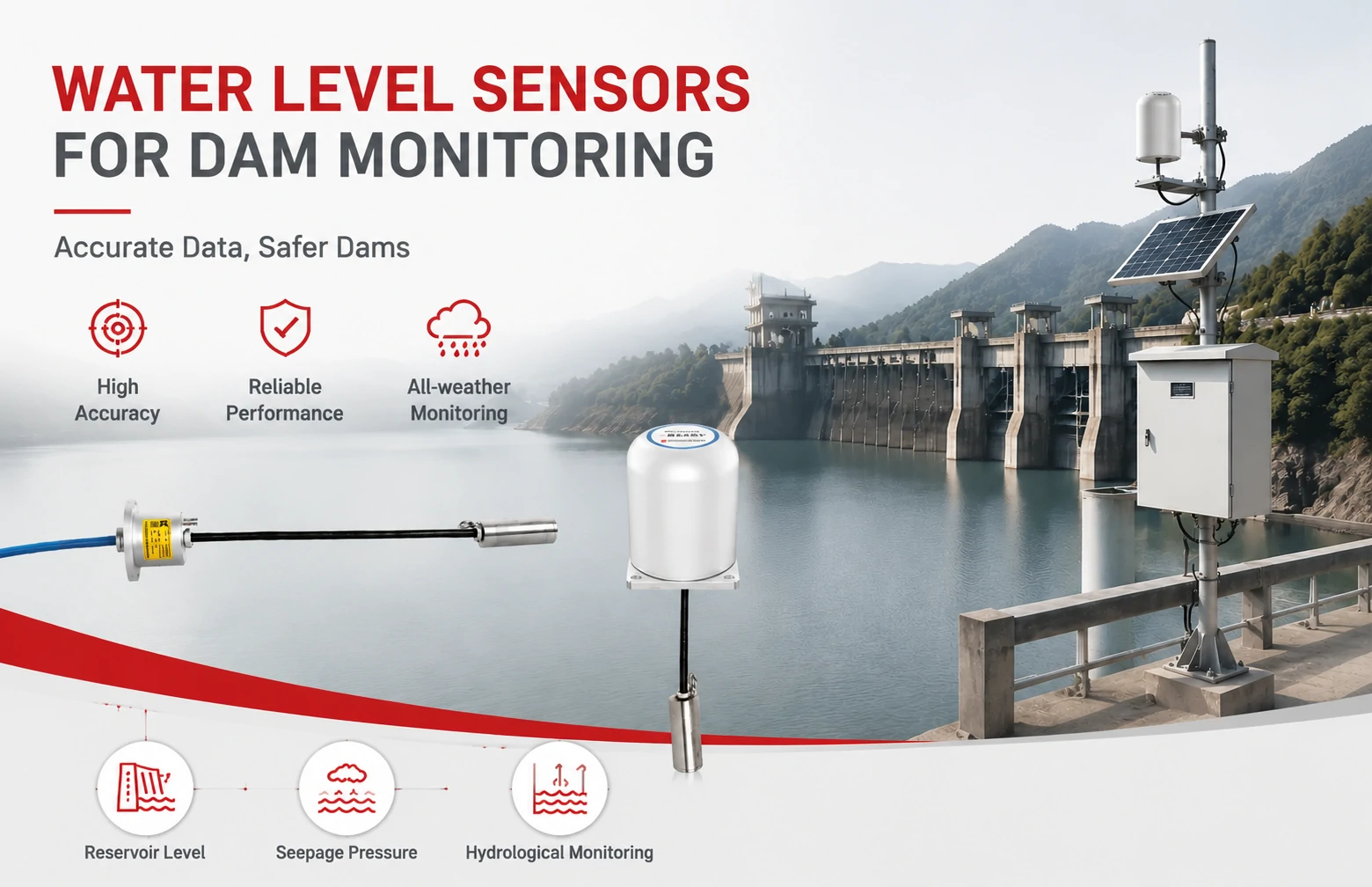
Kingmach Water Level Sensors for Dam Monitoring: A Buyer's Guide to Differential Pre...
Products
FAQ
We mainly supply capacitive MEMS and piezoelectric acceleration sensors. MEMS types work well for slow movements like tilt and settlement, while piezoelectric ones suit faster vibration events. The choice depends on your monitoring target, frequency range, and environmental conditions.
It depends on the sensor design. Some MEMS-based sensors can measure tilt (static acceleration) and low-frequency vibration, but for dynamic events above 50 Hz, a piezoelectric unit would be more accurate. We can help match the sensor to your specific measurement needs.
Our acceleration sensors typically include threaded holes or mounting brackets for bolting onto concrete, steel, or mounting plates. For borehole installation, we often provide a sturdy stainless steel housing and cable grip. Detailed installation guides come with each order.
Yes, we can include factory calibration certificates upon request. They cover sensitivity and frequency response. If your project requires third-party calibration, that can be arranged too—just let us know beforehand.
Standard outputs include 4-20 mA current loop or 0-5 V voltage. Digital outputs like RS-485 are available on request. We’ll recommend the best match for your datalogger or wireless node.
Share your product type, target capacity, and application requirements. Our team can review the details and recommend a practical next step.
If you are interested in our products or want to become our partner.
Please leave your contact information, our team will contact you as soon as possible.
Mail: [email protected]
Contact Us: +8613808434127
Address: No. 188 Tongzipo West Rd, Changsha, Hunan, China