
 EN
EN
 ar
ar bg
bg hr
hr cs
cs da
da nl
nl fi
fi fr
fr de
de el
el hi
hi it
it ko
ko no
no pl
pl pt
pt ro
ro ru
ru es
es sv
sv tl
tl iw
iw id
id lv
lv lt
lt sr
sr sk
sk sl
sl uk
uk vi
vi et
et hu
hu th
th tr
tr fa
fa ms
ms hy
hy ka
ka ur
ur bn
bn mn
mn ta
ta kk
kk uz
uz ku
ku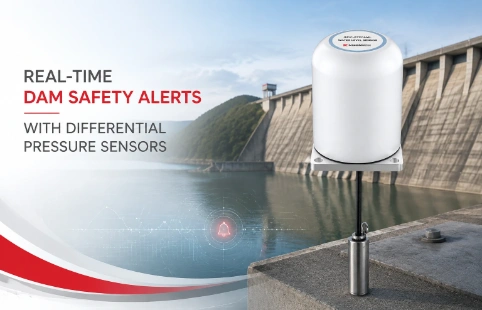
Real-Time Dam Safety Alerts with Differential Pressure Water Level Sensors
Key Takeaways An alert chain needs more than a sensor: define field in...

Best Temperature Data Loggers for Demanding Monitoring Jobs
Pretty much every lab manager or logistics lead has been burned by a data logger that quit mid-shipment. When a freezer full of reagents or a concrete pour depends on accurate records, “good enough” hardware isn’t. Kingmach builds temperature loggers for folks who treat monitoring as part of their quality system, not just a box to tick. We’re a geotechnical instrument manufacturer by trade, so our gear is designed to survive field abuse and long-term installations—the same engineering bleeds into our temperature loggers. Whether you need 200 units for a cold chain trial or a handful of customized probes for a research site, we can tailor specs without the drama of big-catalog vendors who won’t budge on lead times. This page breaks down what makes a logger reliable, where Kingmach loggers fit, and how to avoid the usual pitfalls when you’re buying for a project that can’t afford silent misses.
Technical Detail
Temperature logging isn’t rocket science until you realize how many ways a cheap unit can let you down. Drift over time, slow sensor response, battery death in extreme cold, or software that fights you when exporting data—these are the everyday headaches we hear from users switching to Kingmach. Our loggers come from the world of geotechnical monitoring, where sensors sit in boreholes or dam walls for years and still hold calibration. That means we sweat the small stuff: probe potting that handles condensation, housings rated for IP67 as a baseline, and real-time clock chips that don’t lose minutes a month. You can pick from single-use USB models for one-way pharma shipments or reusable multi-probe units for warehouse mapping and oven profiling. Because we manufacture in-house, custom cable lengths, probe types (Pt100, thermistor), and alarm setpoints are negotiable—not a special order with a 12-week wait. All units log to onboard memory with enough capacity to store months of 1-minute readings, and you can pull data via USB as a CSV or use our desktop software for PDF reports that hold up in audits. If you’re integrating into a larger SCADA or cloud setup, we have RS485 and 4-20 mA output models ready to talk to your PLC. After the sale, our engineers can help you set up calibration schedules and validate loggers on-site, which matters when you’re dealing with FDA or ASTM requirements. The short version: you’re not just buying a plastic gadget from a shelf; you’re getting a monitoring partner who can walk you through installation quirks and firmware updates without charging for every phone call.
News
Key Takeaways An alert chain needs more than a sensor: define field in...
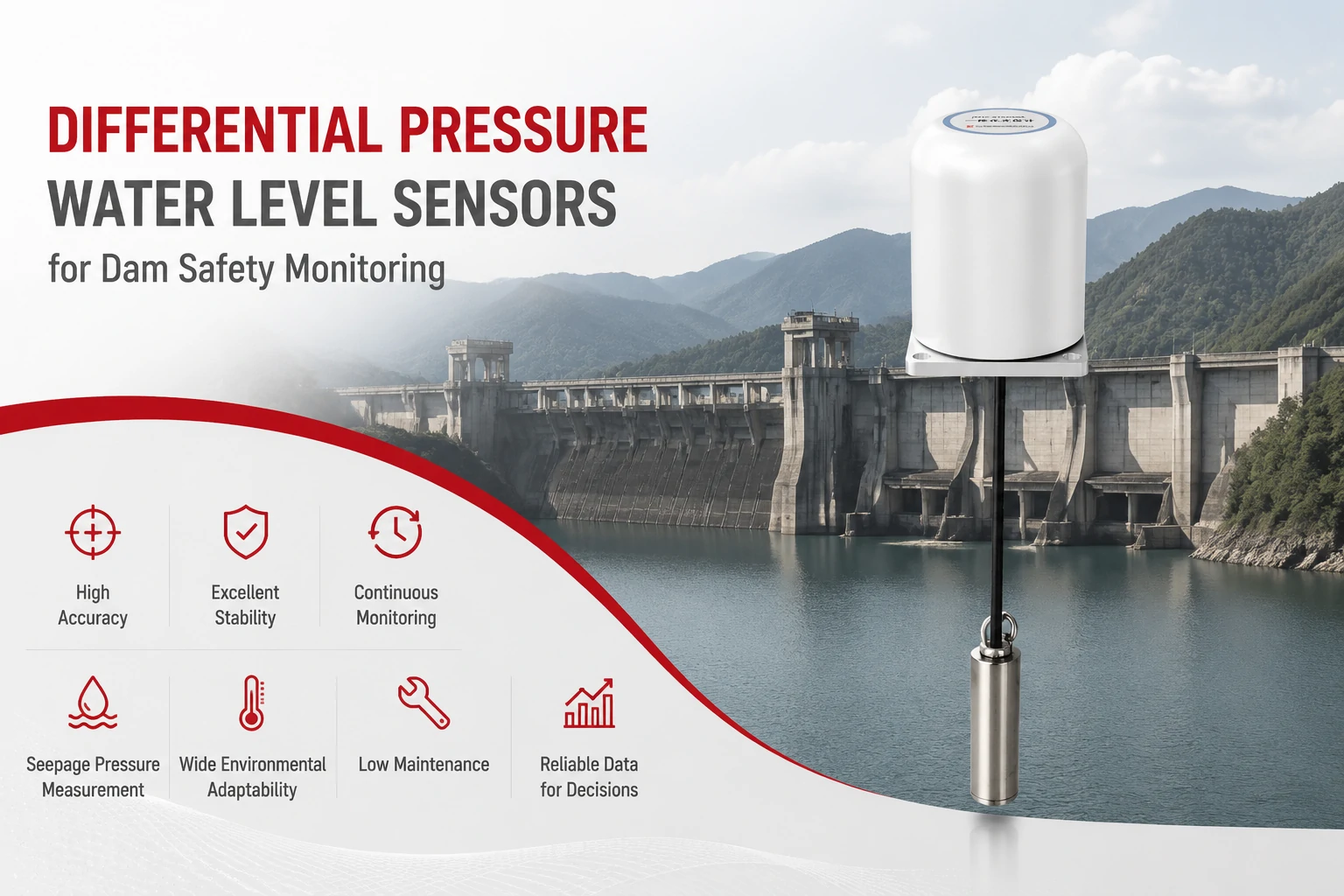
Key Takeaways The strongest fit is usually a confined, submerged, or s...
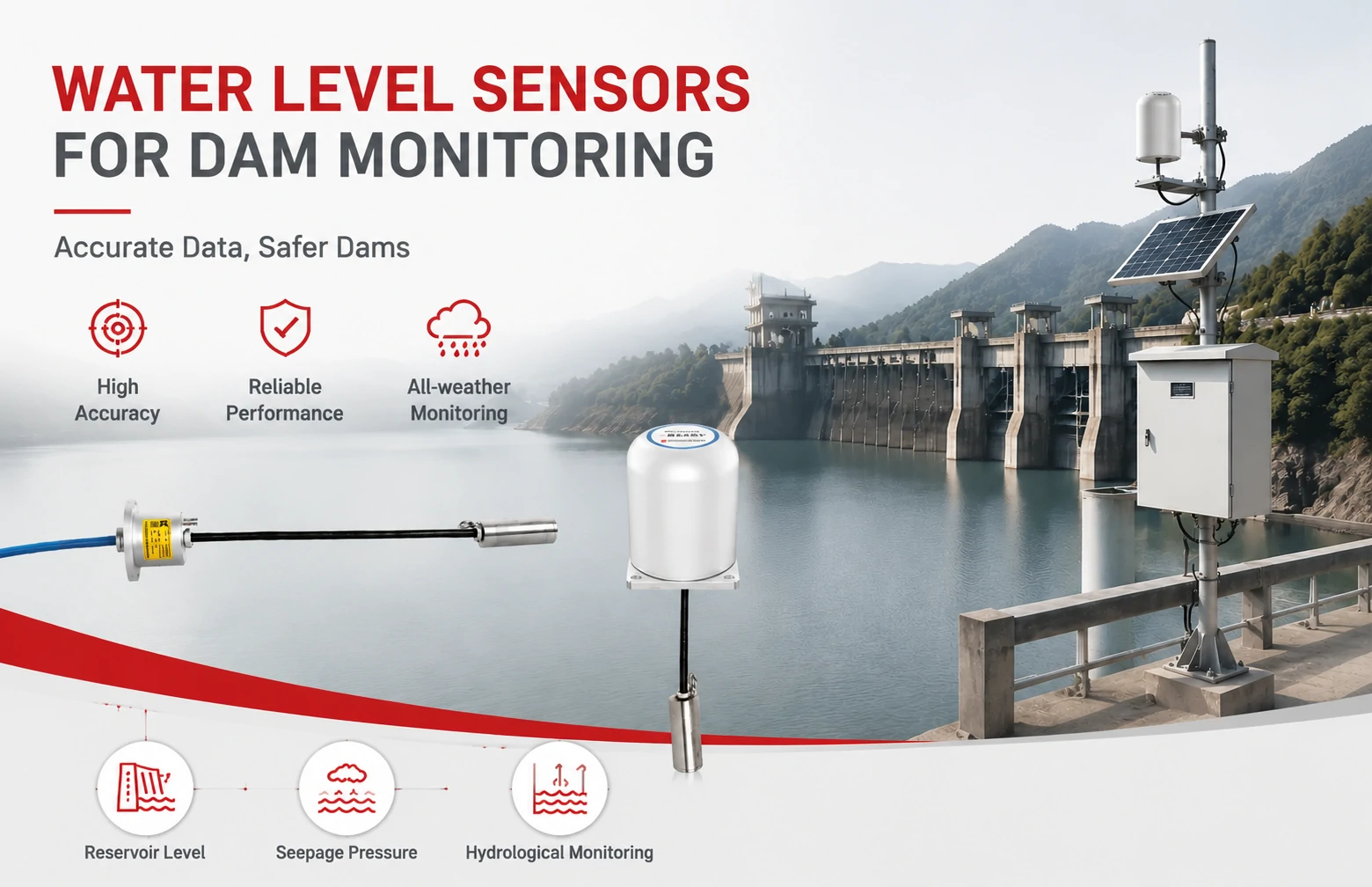
Kingmach Water Level Sensors for Dam Monitoring: A Buyer's Guide to Differential Pre...
Products
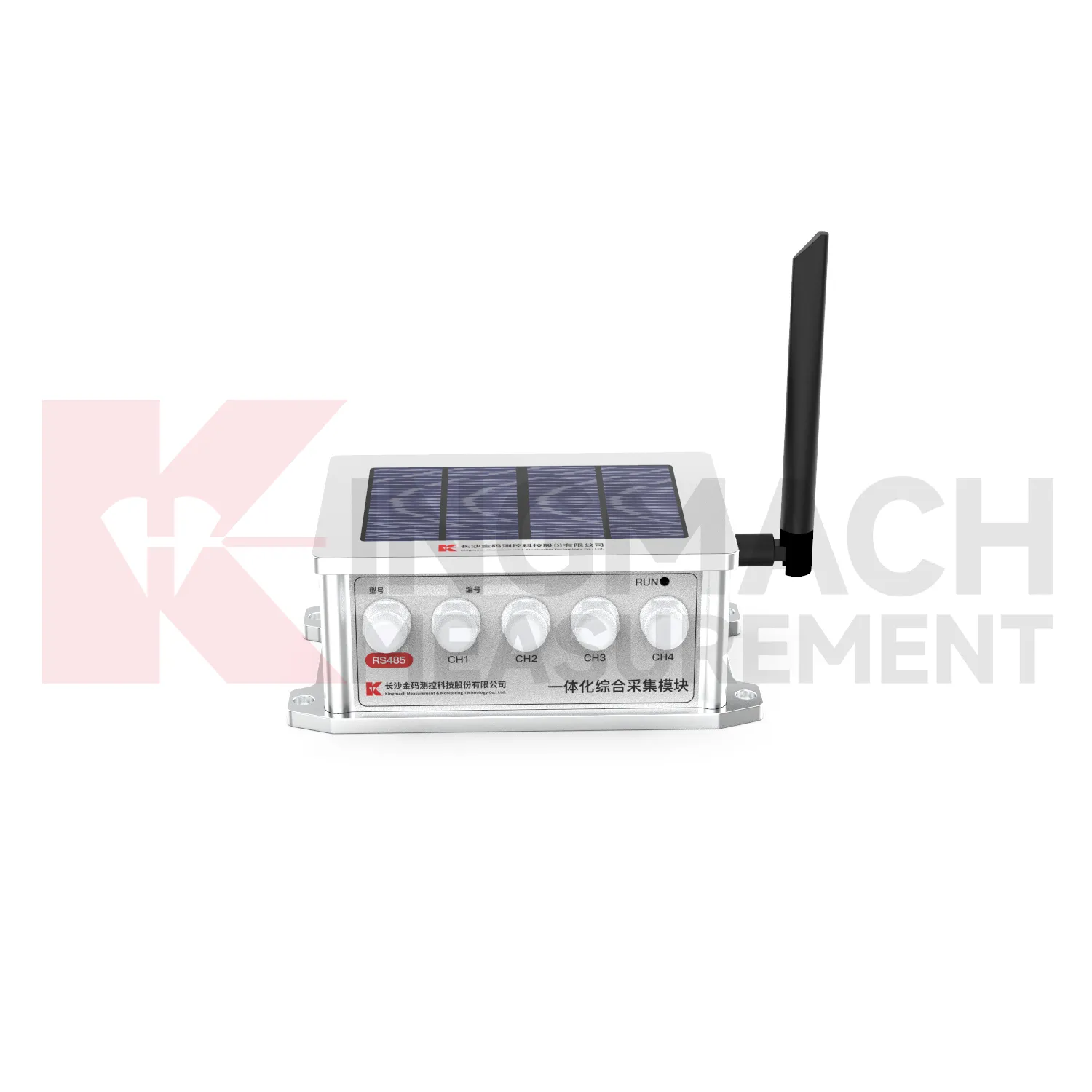
Integrated Comprehensive Acquisition Module JMZX-4/8GH-RTU
View Details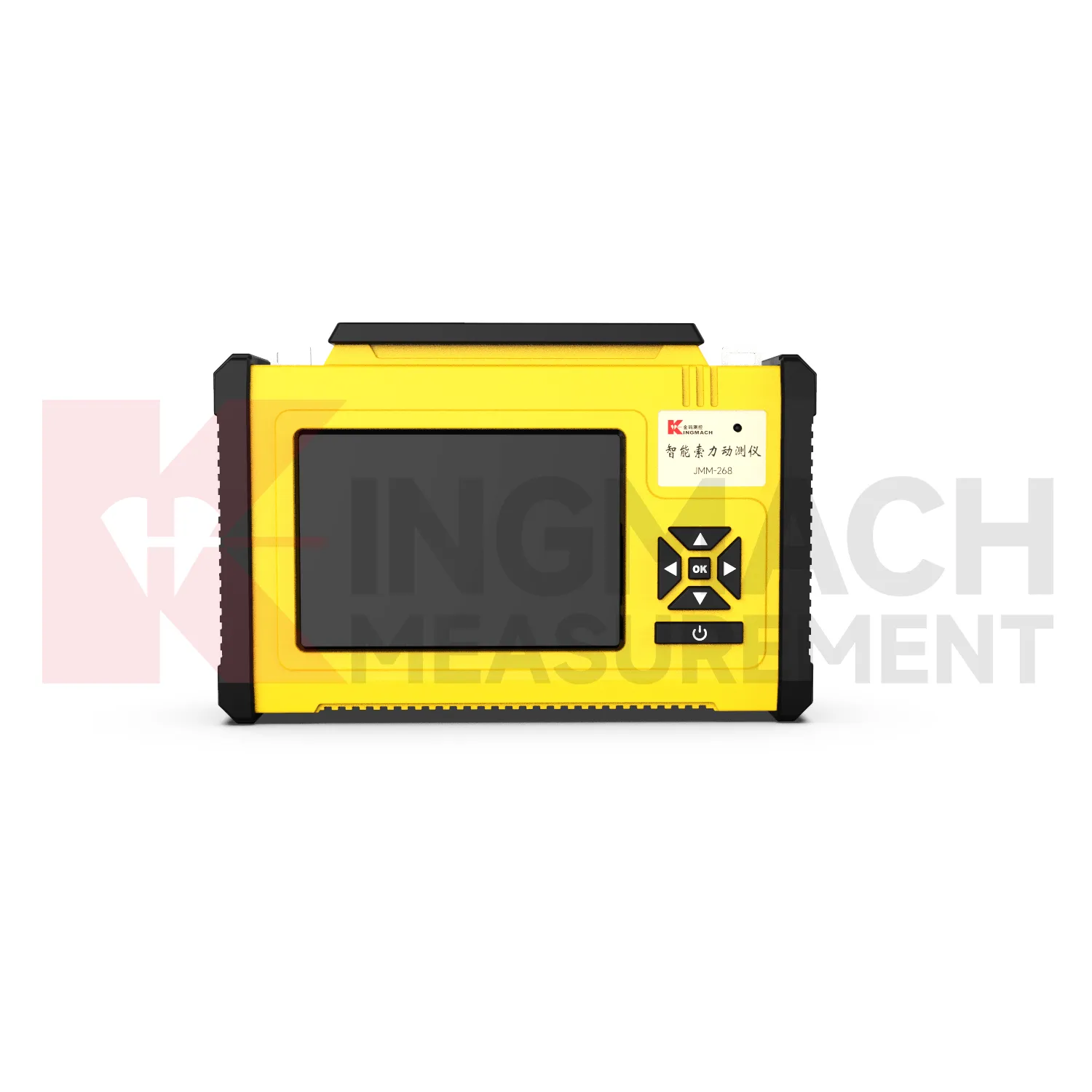
Cable force measuring instrument JMM-268L-1、2
View Details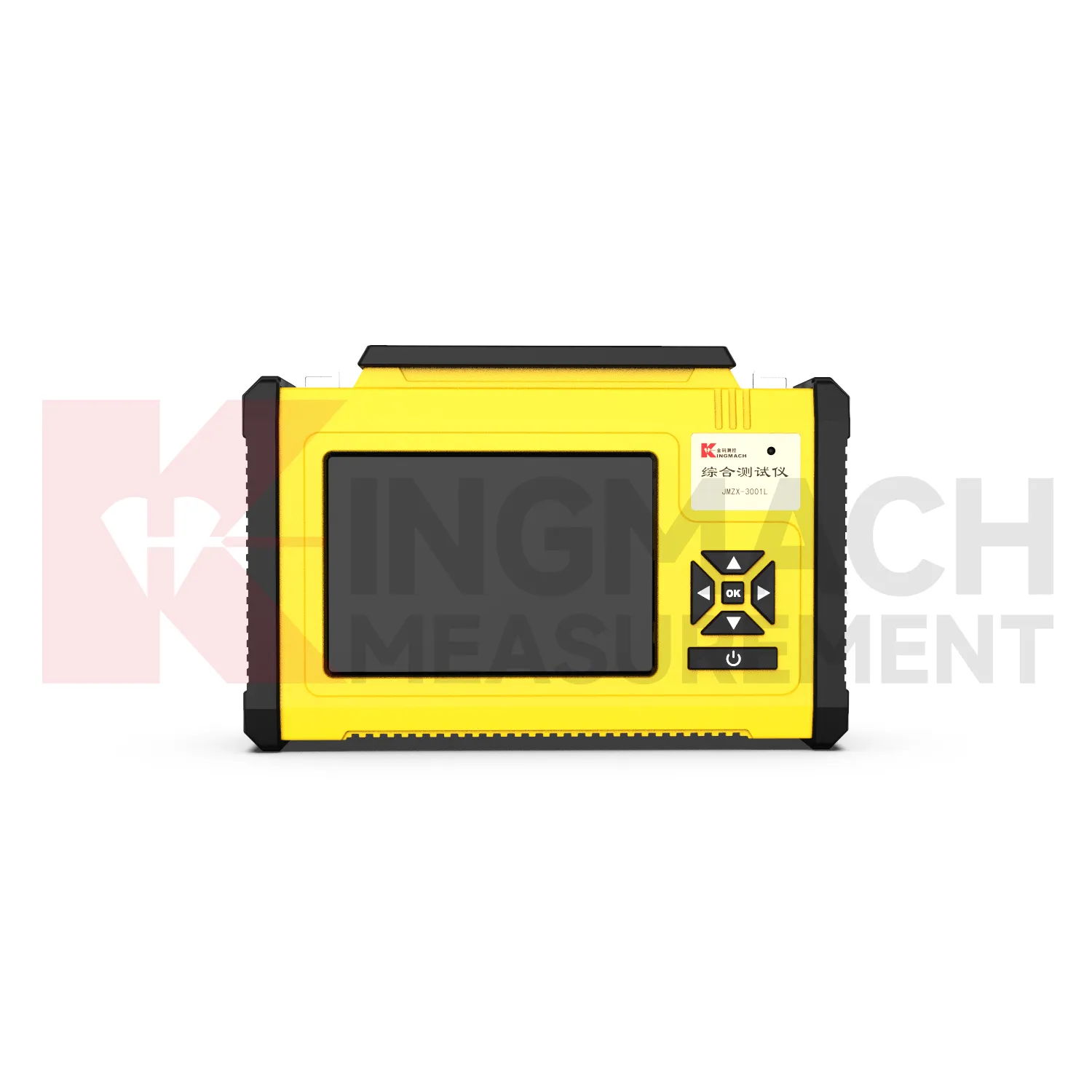
FAQ
It depends on the job. Single-use loggers are cheap per unit and great for one-way pharmaceutical shipments where retrieving the device isn’t possible. Reusable loggers make sense for warehouse monitoring, cold chain route studies, or any application where you’ll use them over and over. Kingmach offers both, and our reusable models have replaceable batteries and can be recalibrated, which saves money over a couple of years.
Customization and support. Big retail brands sell you a fixed set of specs—take it or leave it. With a manufacturer like Kingmach, you can ask for a 3-meter probe instead of 1 meter, or a different thermocouple type, and we’ll build it. If your data format needs tweaking for an internal LIMS, our engineering team can often adjust the firmware. You’re not stuck with whatever the catalog decided was “standard.”
Yes. Many of our multi-channel loggers have RS485 Modbus output or 4-20 mA analog output. That lets them connect directly to PLCs, BMS, or cloud gateways you may already have on site. If you’re not sure, our application engineers can help you sort out the wiring and protocol before you order.
The common choices are thermistors (good sensitivity, moderate range, often ±0.2°C) and Pt100 RTDs (wider range, stable over time). For most cold chain work from -40°C to 70°C, a thermistor probe is fine and costs less. For higher-temperature oven validation or long-term drift-critical setups, Pt100 is worth the extra. Kingmach can supply both, and we’ll recommend based on your range and accuracy goals.
In our reusable loggers, you’ll get about 1–2 years of logging at 15-minute intervals at room temperature, and a bit less in sub-zero conditions. The battery is a user-replaceable lithium coin cell, so you won’t need to send the unit back to us. We also suggest swapping the battery before a critical run rather than trusting the remaining gauge—it’s a $2 insurance policy.
Share your product type, target capacity, and application requirements. Our team can review the details and recommend a practical next step.
Related Keywords
If you are interested in our products or want to become our partner.
Please leave your contact information, our team will contact you as soon as possible.
Mail: [email protected]
Contact Us: +8613808434127
Address: No. 188 Tongzipo West Rd, Changsha, Hunan, China