
 EN
EN
 ar
ar bg
bg hr
hr cs
cs da
da nl
nl fi
fi fr
fr de
de el
el hi
hi it
it ko
ko no
no pl
pl pt
pt ro
ro ru
ru es
es sv
sv tl
tl iw
iw id
id lv
lv lt
lt sr
sr sk
sk sl
sl uk
uk vi
vi et
et hu
hu th
th tr
tr fa
fa ms
ms hy
hy ka
ka ur
ur bn
bn mn
mn ta
ta kk
kk uz
uz ku
ku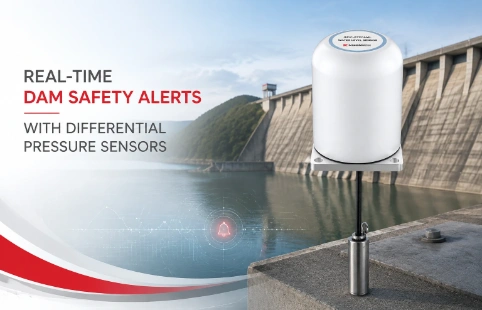
Real-Time Dam Safety Alerts with Differential Pressure Water Level Sensors
Key Takeaways An alert chain needs more than a sensor: define field in...

Crack Gauge Monitoring: Practical Tools That Engineers Reach For
Noticing a fresh crack on a structure usually means it’s time to keep an eye on it, not panic. But once you start tracking movement, you need a reading you can trust every time. Crack gauge monitoring fills that gap—giving engineers a way to measure opening and closing trends, day by day, on dams, tunnels, foundations, or anything that cracks. Kingmach has been making these instruments for years, not as a side item, but as core geotechnical tools. Our approach stays practical: gauges that hold up in the field, connect to common logging systems, and don’t need a specialist to install. Whether it’s a simple manual readout or a vibrating wire sensor tied into a data logger, the goal is always clear, repeatable numbers. That’s what site teams actually need.
Technical Detail
At Kingmach Measurement & Monitoring Technology Co., Ltd., crack gauge monitoring starts with how an instrument behaves under real site conditions, not just in a lab. We manufacture a range of crack meters and joint meters built around proven vibrating wire and linear potentiometer mechanisms. Each sensor measures relative displacement across a surface crack and outputs a signal that can be logged locally or sent over long cable runs without degradation—something our customers keep asking about. Typical monitoring points include concrete arch dams, tunnel segments, retaining walls, and bridge piers, where even 0.1 mm of change over a week can raise flags. Our standard gauge bodies are stainless steel, with IP68 sealing in most models, and we offer anchorages suited to concrete, rock, or steel surfaces. For projects that need a non-standard stroke length or a different signal output, customization is straightforward—our engineering team adjusts the design and recalibrates before shipping. We also supply portable readout units and cloud-based data platforms if the job calls for remote monitoring. Because we run our own global distribution and support network, replacement parts and calibration questions get answered without long email chains. Crack gauge monitoring isn’t the most complicated sensor task, but getting consistent data from a dozen units spread across a site takes attention to detail. That’s where a manufacturer that understands the whole monitoring loop helps.
News
Key Takeaways An alert chain needs more than a sensor: define field in...
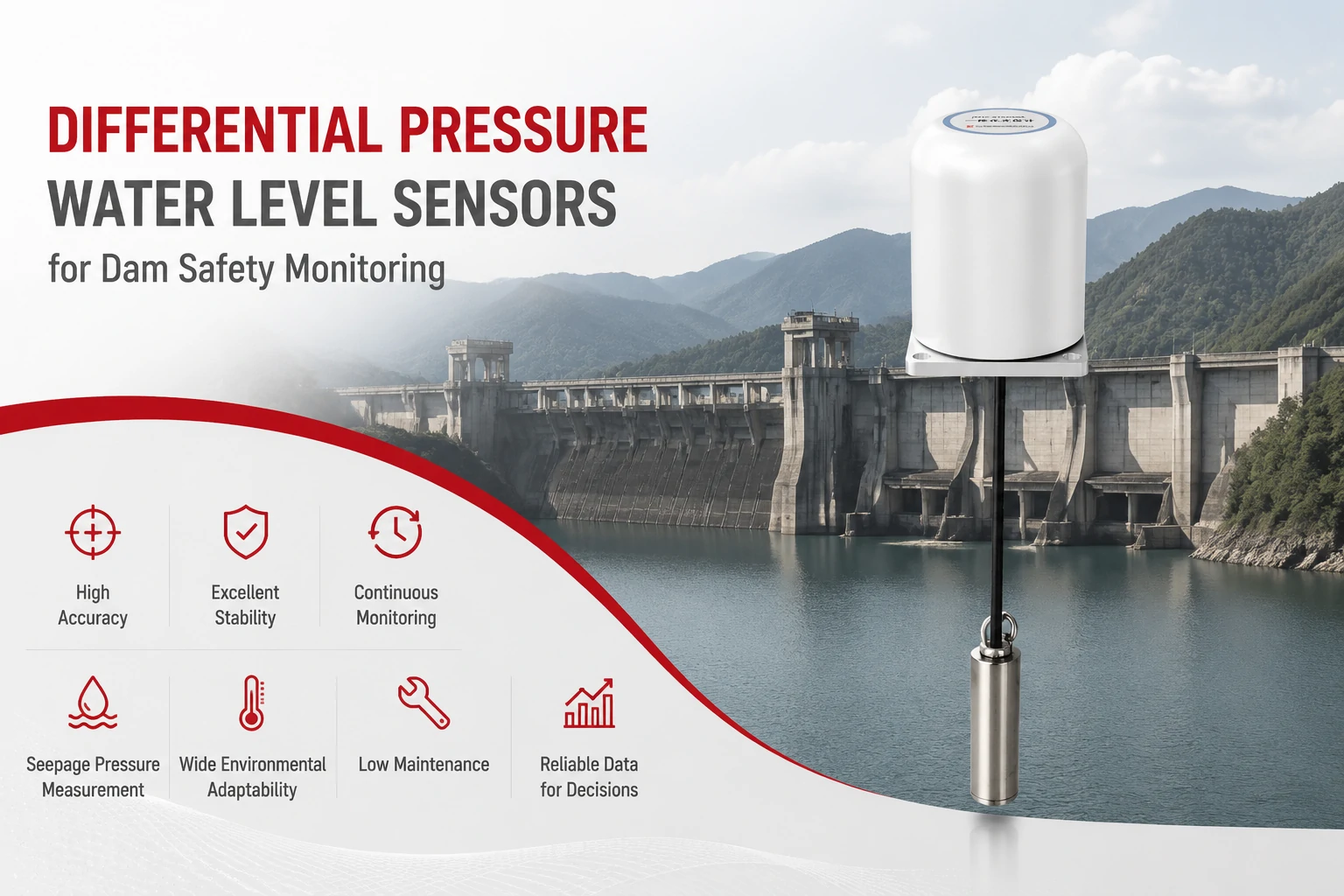
Key Takeaways The strongest fit is usually a confined, submerged, or s...
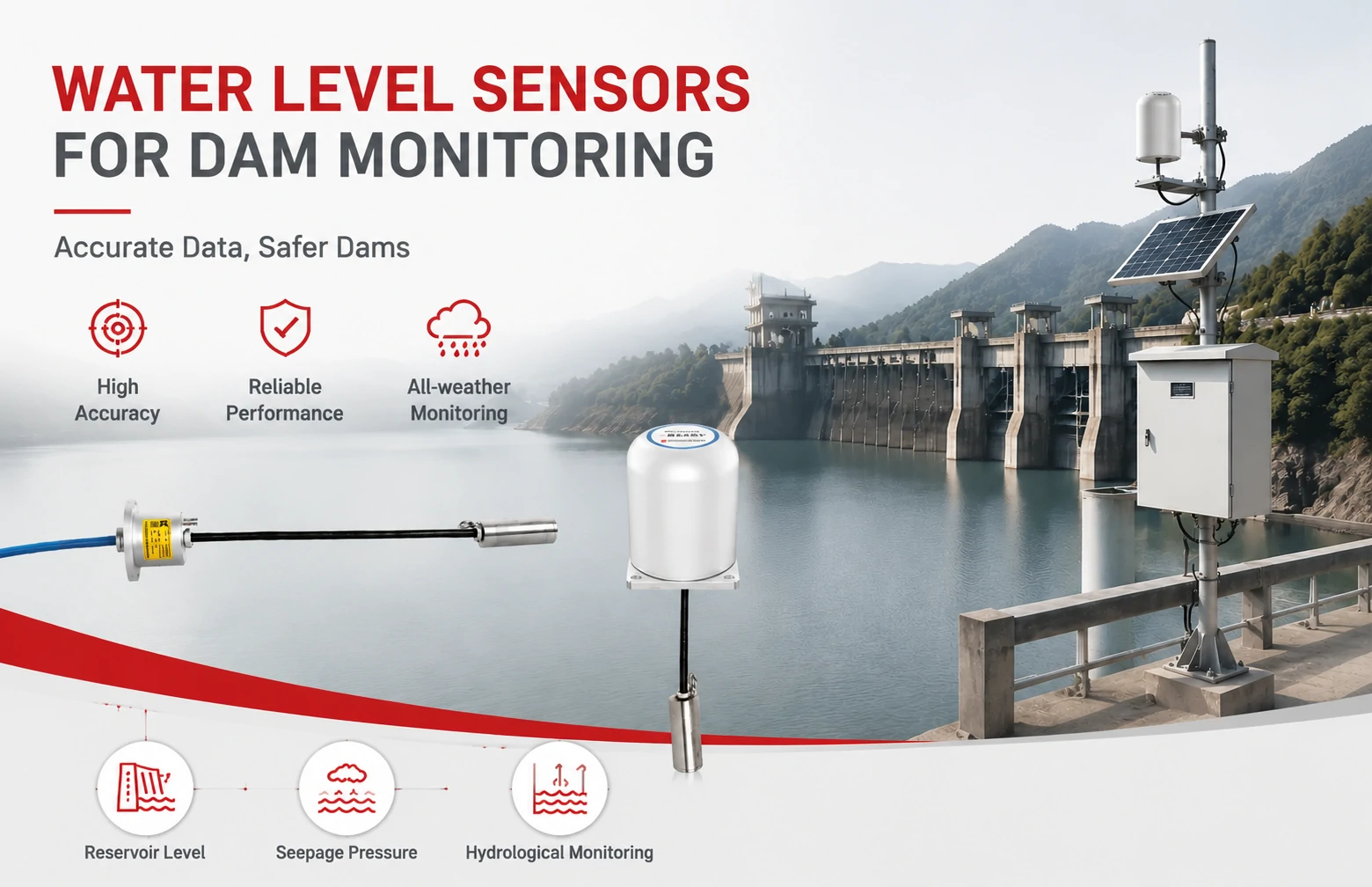
Kingmach Water Level Sensors for Dam Monitoring: A Buyer's Guide to Differential Pre...
Products
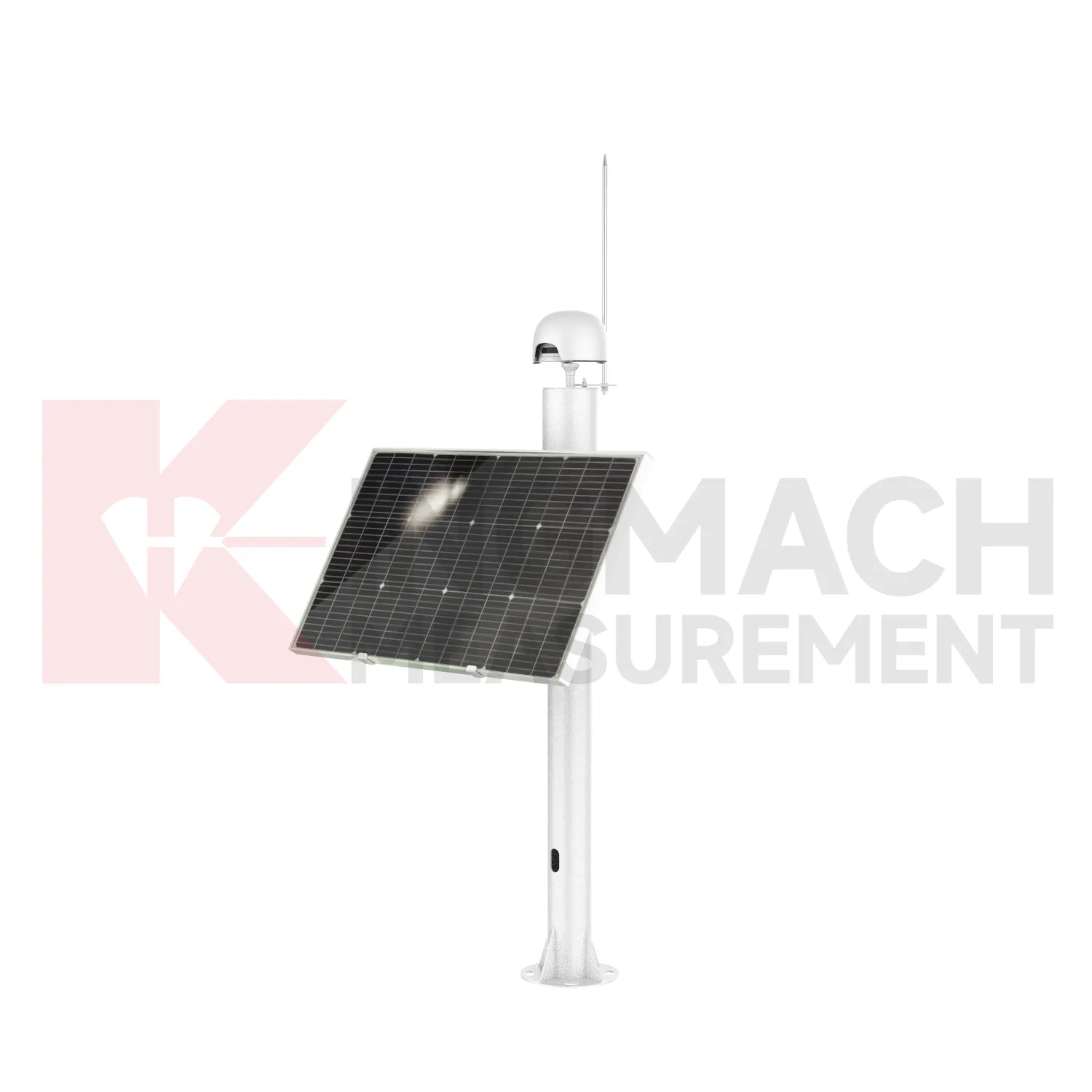
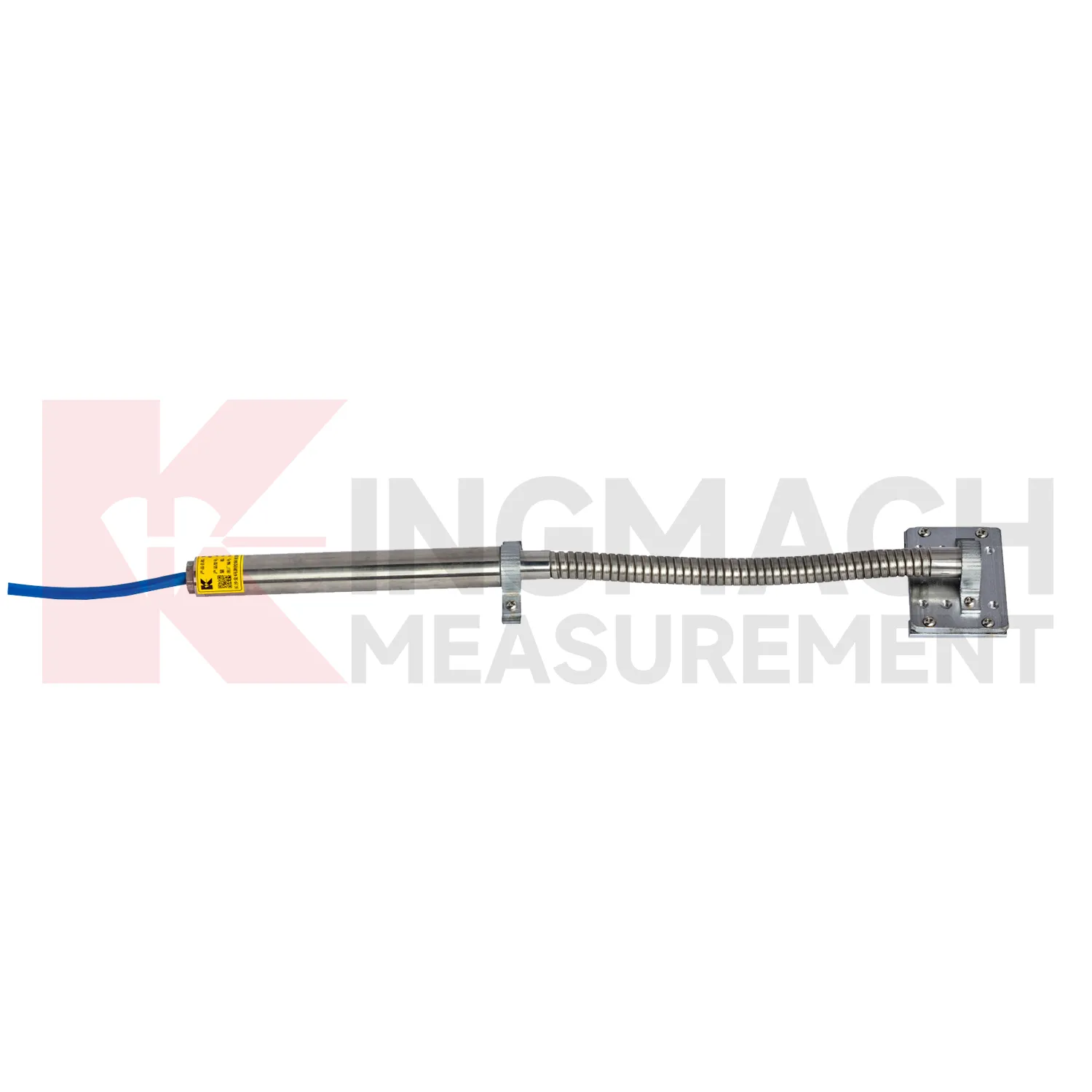
Smart Flexible Displacement Meter JMDL-24XXAT
View Details
FAQ
If you need long cable runs or want to avoid electrical interference, vibrating wire is the usual choice—it sends a frequency signal that doesn’t weaken over distance. Potentiometric sensors give a direct voltage output and are simpler to set up if your readout is nearby. On jobs where I do both, I let the cable length decide.
Generally, no. Each gauge measures displacement between two anchor points placed on either side of a single crack. If you try to span several cracks, you just get a sum of movements you can’t separate. Instead, use one gauge per significant crack and mark the rest for visual inspection.
Not much, honestly. The main thing is keeping the sensor body clean and checking that the cable gland hasn’t loosened. If you’re in a dusty or wet environment, a quick wipe every few months helps. Kingmach sensors are sealed, but it’s good practice to verify zero readings during site visits.
Yes, we keep standard ranges like 12.5 mm, 25 mm, and 50 mm in stock, and we can build custom strokes if your design expects larger movement. Just tell us the maximum opening expected and we’ll quote accordingly.
We ship worldwide and have distributors in several regions who know the products. For technical questions, our engineers can join a call or exchange emails directly, avoiding chain-of-command delays. And if a problem comes up on site, we’ll help diagnose it remotely—often it’s a wiring or logger setting, not a sensor failure.
Share your product type, target capacity, and application requirements. Our team can review the details and recommend a practical next step.
If you are interested in our products or want to become our partner.
Please leave your contact information, our team will contact you as soon as possible.
Mail: [email protected]
Contact Us: +8613808434127
Address: No. 188 Tongzipo West Rd, Changsha, Hunan, China