
 EN
EN
 ar
ar bg
bg hr
hr cs
cs da
da nl
nl fi
fi fr
fr de
de el
el hi
hi it
it ko
ko no
no pl
pl pt
pt ro
ro ru
ru es
es sv
sv tl
tl iw
iw id
id lv
lv lt
lt sr
sr sk
sk sl
sl uk
uk vi
vi et
et hu
hu th
th tr
tr fa
fa ms
ms hy
hy ka
ka ur
ur bn
bn mn
mn ta
ta kk
kk uz
uz ku
ku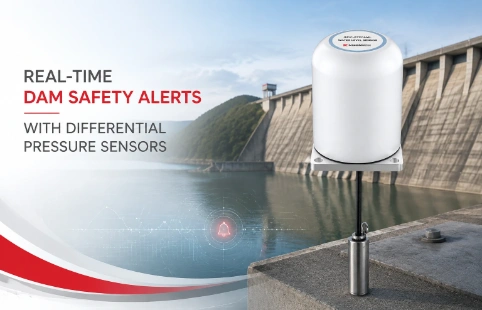
Real-Time Dam Safety Alerts with Differential Pressure Water Level Sensors
Key Takeaways An alert chain needs more than a sensor: define field in...

Digital Strain Gauge Indicators for Field Reliability
On a busy construction site, you need readings you can trust without second-guessing. Digital strain gauge indicators from Kingmach are built for that reality—geotechnical monitoring where dust, moisture, and long hours are part of the job. These units connect to vibrating wire or resistive strain gauges and give clear, stable values that help avoid data misinterpretation. Backed by a manufacturer that focuses on geotechnical instruments, the indicators come ready for custom sensor configurations and can handle multiple channel inputs. Field crews appreciate the straightforward menus and the fact that they don’t need a manual every time they power on. Whether you are monitoring retaining walls, tunnel linings, or bridge loads, having an indicator that works consistently day after day matters more than a long feature list. Kingmach keeps the focus on that consistency, with after-sales support that doesn’t disappear once the order ships.
Technical Detail
Reliable readings in geotechnical monitoring often come down to the interface between sensor and user. Kingmach digital strain gauge indicators are designed to simplify that handshake. They support popular sensor types such as vibrating wire strain gauges and foil-based load cells, with automatic recognition in many models. The housing is built for field use—sealed against dust and splash, with a readable display even in direct sun. Some units offer USB or RS-485 output so you can log data directly without extra converters. Customization is a core part of what we do. Projects often ask for a specific input range, a particular connector, or a reporting format that matches existing systems. Because we manufacture in-house, we can adjust firmware or hardware without long lead times. Our global distribution network means you can get units and spare parts quickly in most regions. Technical support is available through local partners or directly from our engineers, which helps when a monitoring schedule can’t afford delays. The mid-range positioning of these indicators gives you the essential functions—data hold, peak reading, sensor library storage—without paying for features you rarely use. The result is a tool that spends more time in your hand and less time in a service center.
News
Key Takeaways An alert chain needs more than a sensor: define field in...
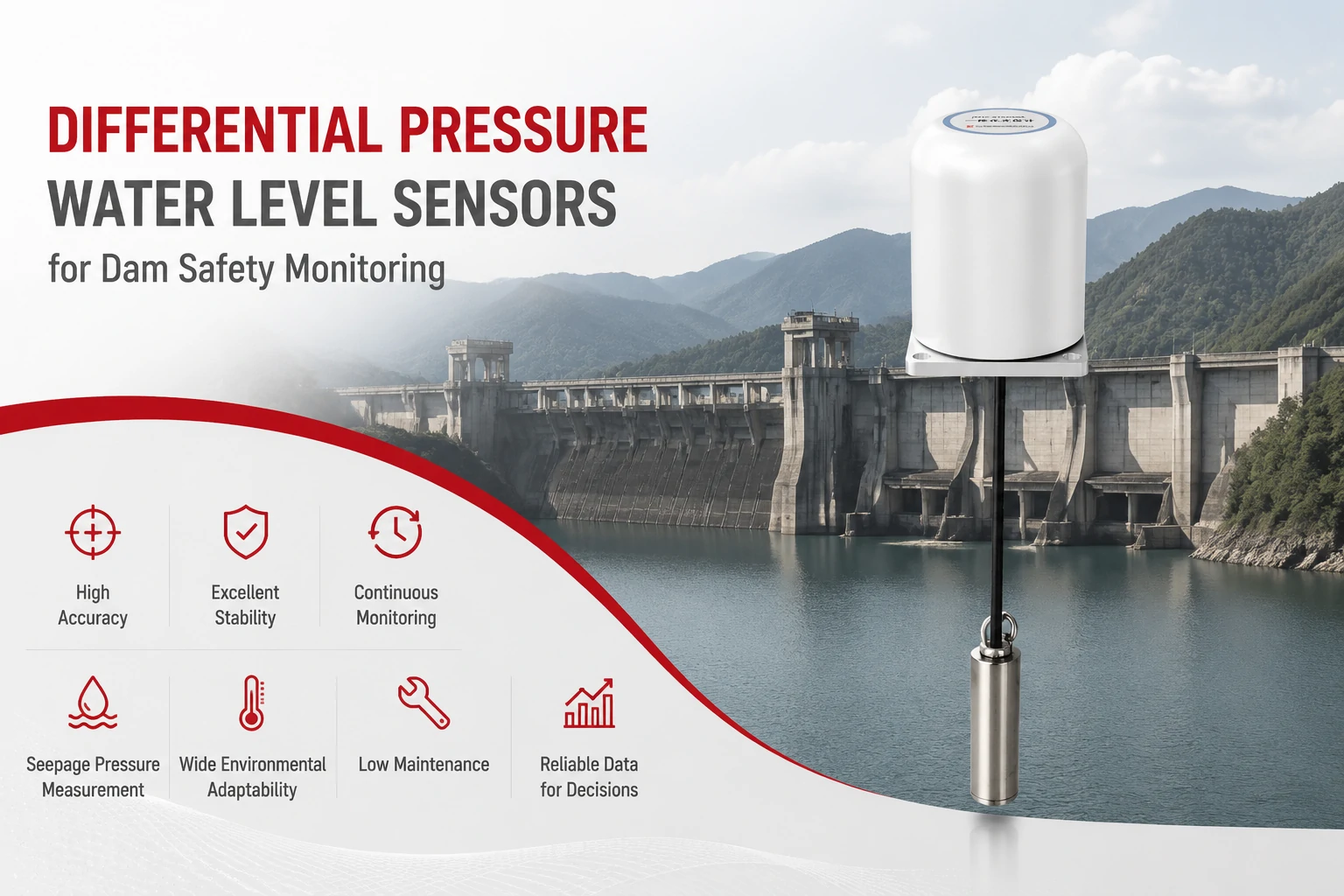
Key Takeaways The strongest fit is usually a confined, submerged, or s...
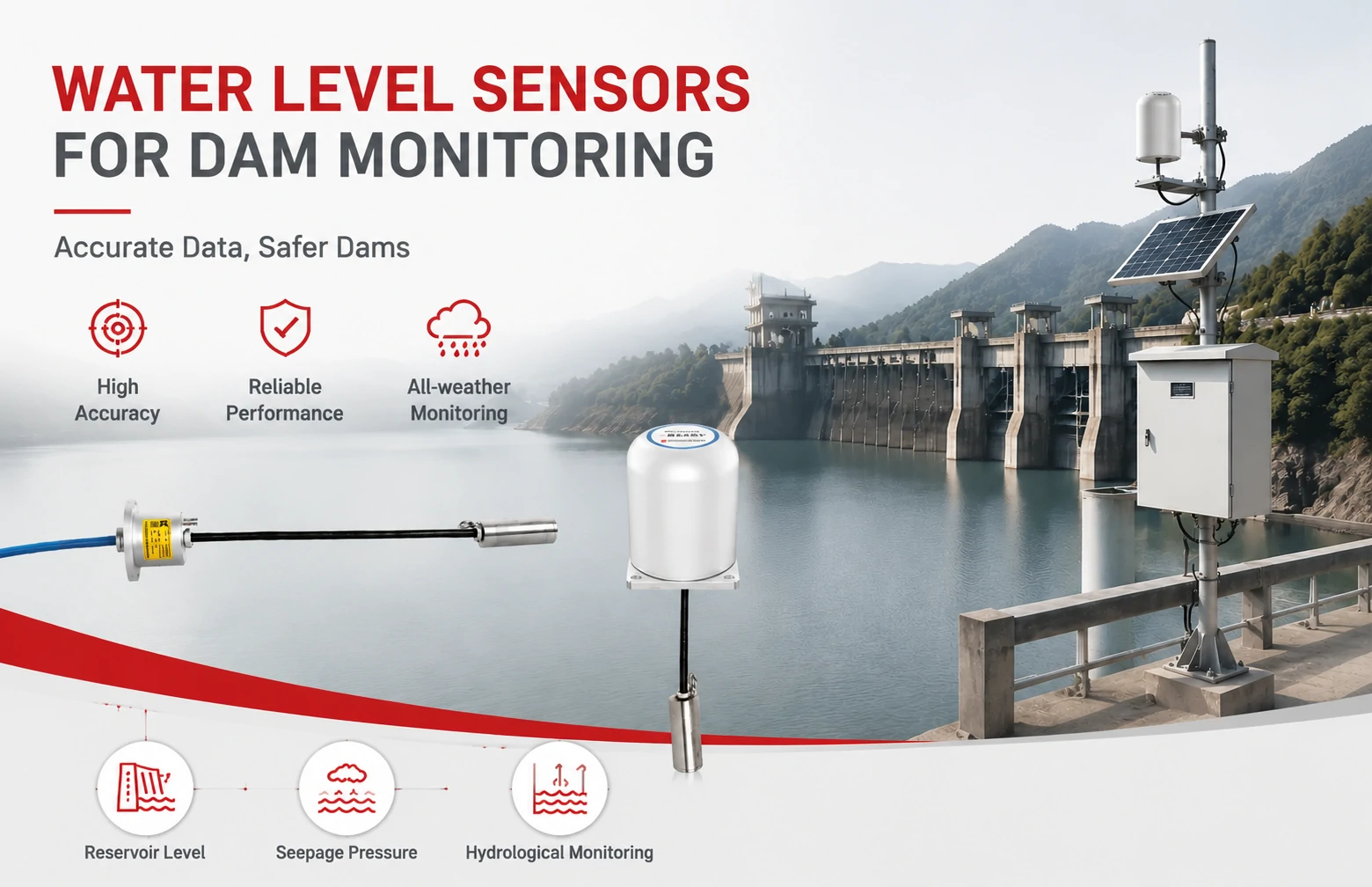
Kingmach Water Level Sensors for Dam Monitoring: A Buyer's Guide to Differential Pre...
Products
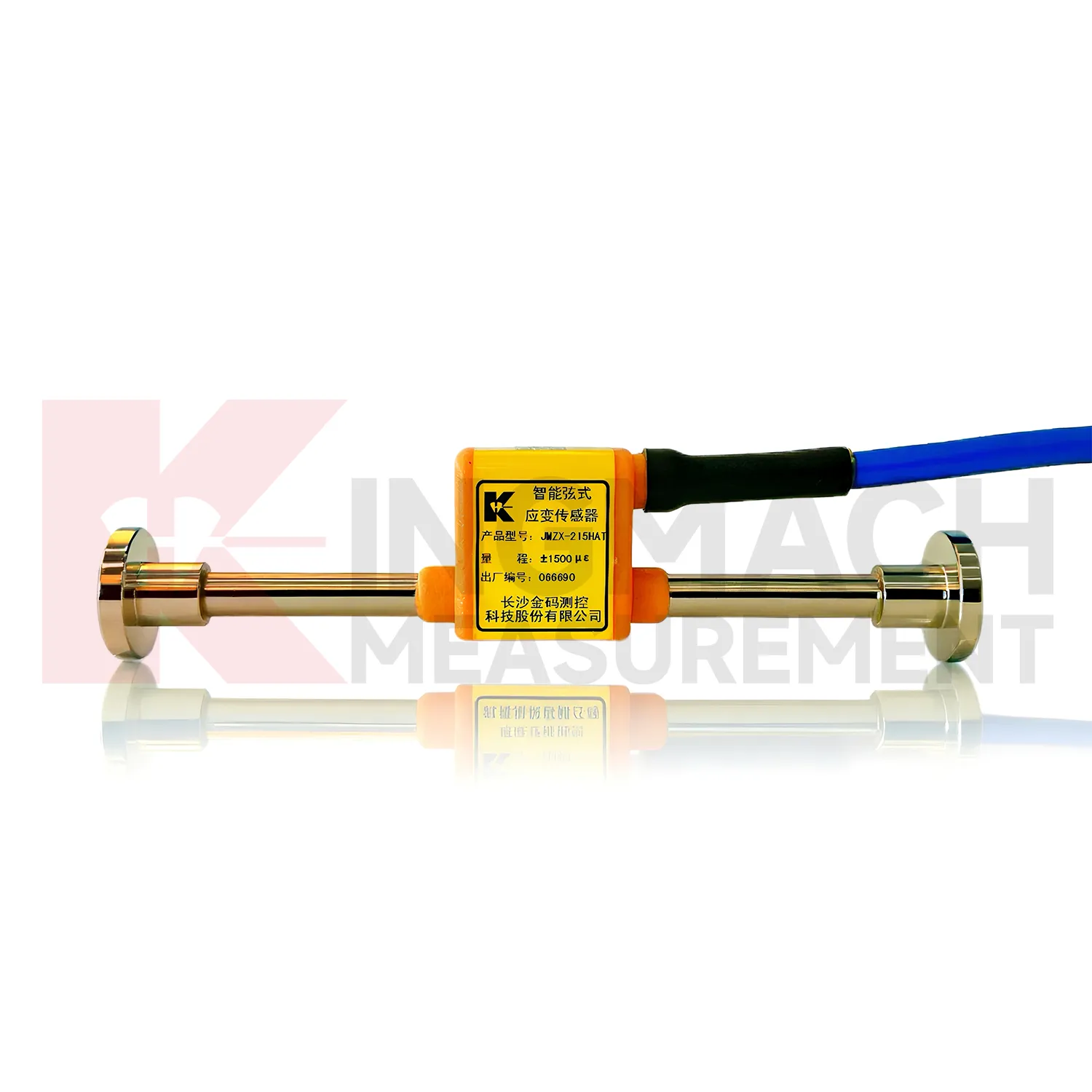
Smart vibrating wire strain gauge (embedment model) JMZX-215HA/215HAT/HB
View Details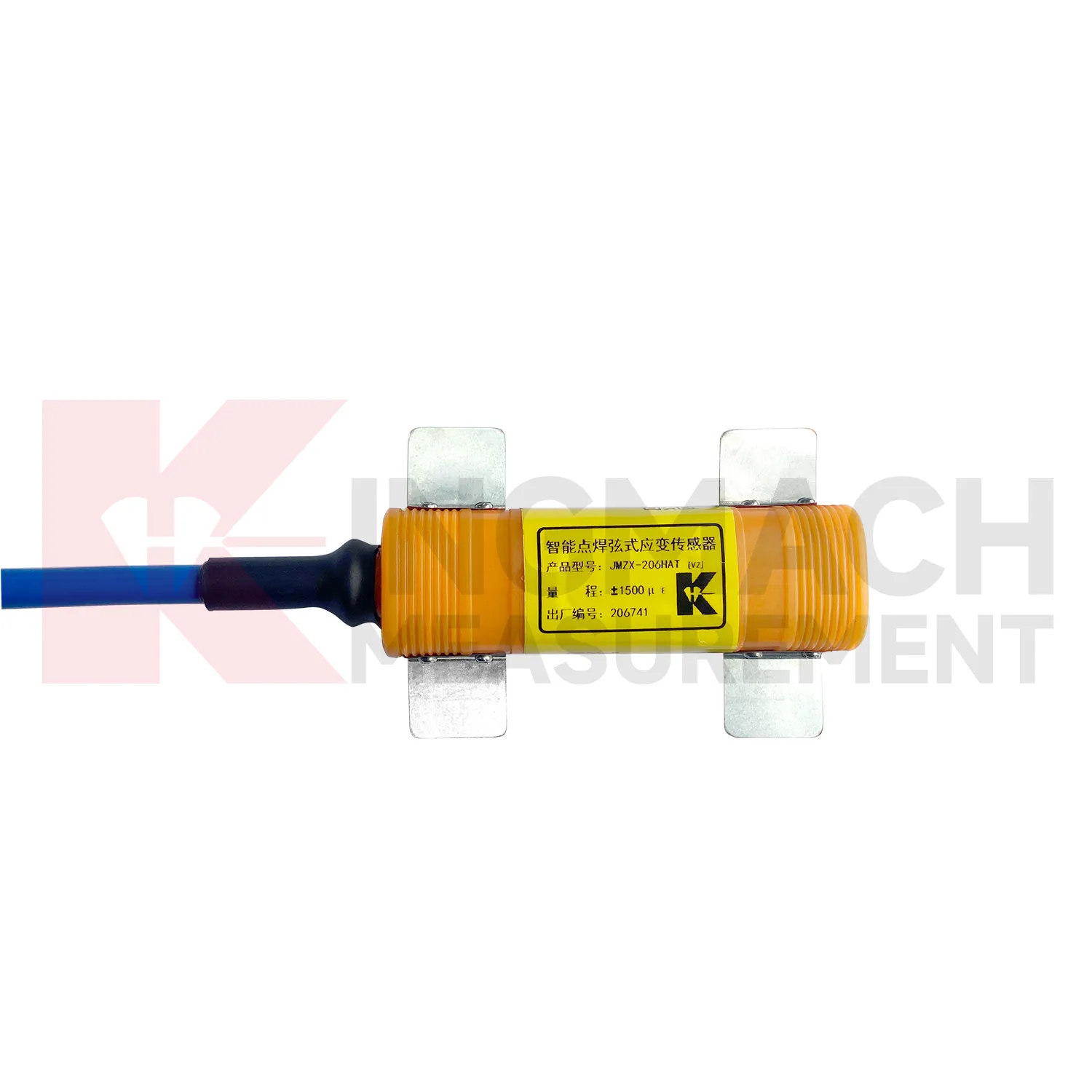
Smart vibrating wire strain gauge (surface welded model) JMZX-206HAT
View Details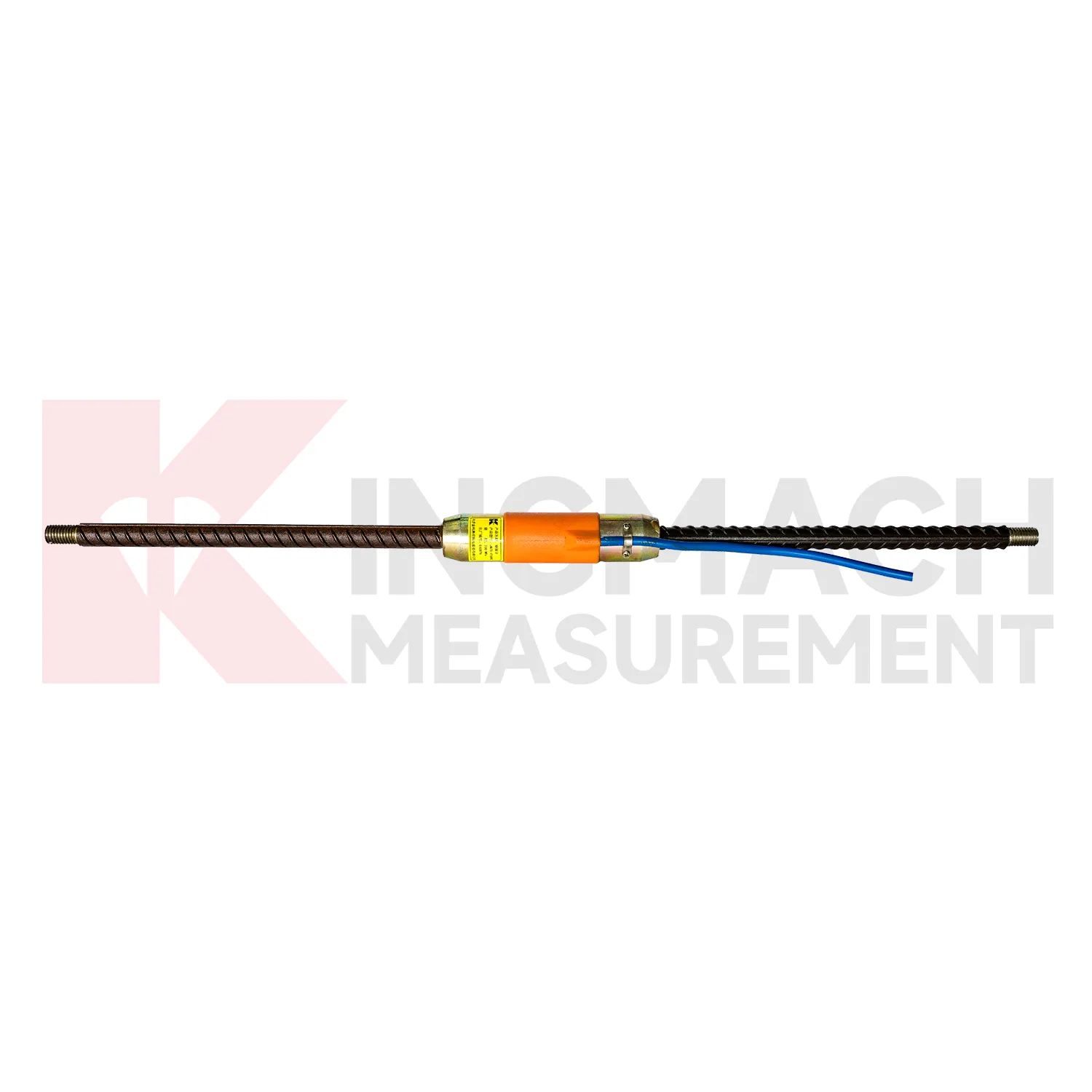
Rebar Strainmeters ( VW & Smart Type) JMZX-4XXHAT/HB
View DetailsFAQ
Most standard vibrating wire gauges use a common frequency range and coil impedance. Our indicators auto-detect the sensor type and often work with third-party gauges, but we recommend confirming the output specs before ordering. We can also pre-configure the firmware if you send us a spec sheet.
Yes, many models have a micro-USB or RS-485 port. You can connect to a laptop for real-time logging via a simple terminal program, or use our optional data concentrator for cloud uploads. We can advise on the setup during commissioning.
We frequently customize excitation voltage, connector types, cable lengths, and reporting formats. For large orders, we can also brand the faceplate or add a custom splash screen. Just share your requirements and we will propose a solution.
We have distributors in several regions who can provide loaner units quickly. Otherwise, we can ship from our factory with express delivery. Remote troubleshooting is typically available within 24 hours, and we keep spare boards in stock for common models.
Battery life depends on reading mode—continuous monitoring drains faster. Most units run for 20–30 hours on standard AA batteries. You can extend this by using the sleep mode between readings or powering the indicator from an external DC source, which we can integrate.
Share your product type, target capacity, and application requirements. Our team can review the details and recommend a practical next step.
Related Keywords
If you are interested in our products or want to become our partner.
Please leave your contact information, our team will contact you as soon as possible.
Mail: [email protected]
Contact Us: +8613808434127
Address: No. 188 Tongzipo West Rd, Changsha, Hunan, China