
 EN
EN
 ar
ar bg
bg hr
hr cs
cs da
da nl
nl fi
fi fr
fr de
de el
el hi
hi it
it ko
ko no
no pl
pl pt
pt ro
ro ru
ru es
es sv
sv tl
tl iw
iw id
id lv
lv lt
lt sr
sr sk
sk sl
sl uk
uk vi
vi et
et hu
hu th
th tr
tr fa
fa ms
ms hy
hy ka
ka ur
ur bn
bn mn
mn ta
ta kk
kk uz
uz ku
ku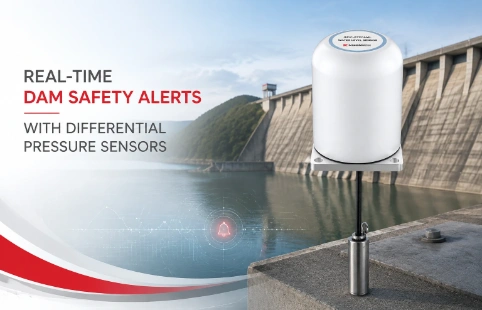
Real-Time Dam Safety Alerts with Differential Pressure Water Level Sensors
Key Takeaways An alert chain needs more than a sensor: define field in...

High Precision Load Cells for Reliable Geotechnical Data
In geotechnical projects, a measurement drift of just 0.1% can trigger costly redesigns or false alarms. That is why field engineers increasingly turn to load cells that hold their calibration under variable loads and changing site conditions. Kingmach’s high precision load cells are built for these demands, with attention to temperature compensation and long‑term zero stability. Whether it is anchor force monitoring on a slope or pile load testing for a high‑rise, the data stream remains consistent enough to act on. The range covers compression‑only and tension‑compression models, so you are not forced to adapt a sensor to the wrong task. Most units ship with a calibration certificate traceable to national standards, which simplifies QA documentation on government‑funded infrastructure jobs.
Technical Detail
A high precision load cell is only as useful as the data acquisition system behind it. At Kingmach, the focus is on the whole signal chain: from the strain gauge bridge to the readout. The sensors use foil strain gauges bonded with a technique that reduces creep to under 0.02% FS over 30 minutes under constant load—relevant when you are logging data for a 24‑hour load test. Temperature effects on zero balance are held below 0.005% FS/°C on standard models, and compensated range can be extended on request for sites with extreme day‑night swings. Enclosure options cover IP67 stainless steel for borehole applications or IP65 alloy steel where weight matters more than corrosion resistance. Customization goes beyond just capacity: non‑standard threads, TEDS identification chips, or integrated signal conditioning are all on the table. Application support draws on two decades of geotechnical instrumentation experience. When a monitoring scheme calls for a 2000 kN compression cell in a 150 mm borehole—not a catalog item—we have re‑engineered the housing to fit without sacrificing overload protection. Global distribution means lead times stay predictable, and after‑sales calibration services help keep long‑running projects audit‑ready.
News
Key Takeaways An alert chain needs more than a sensor: define field in...
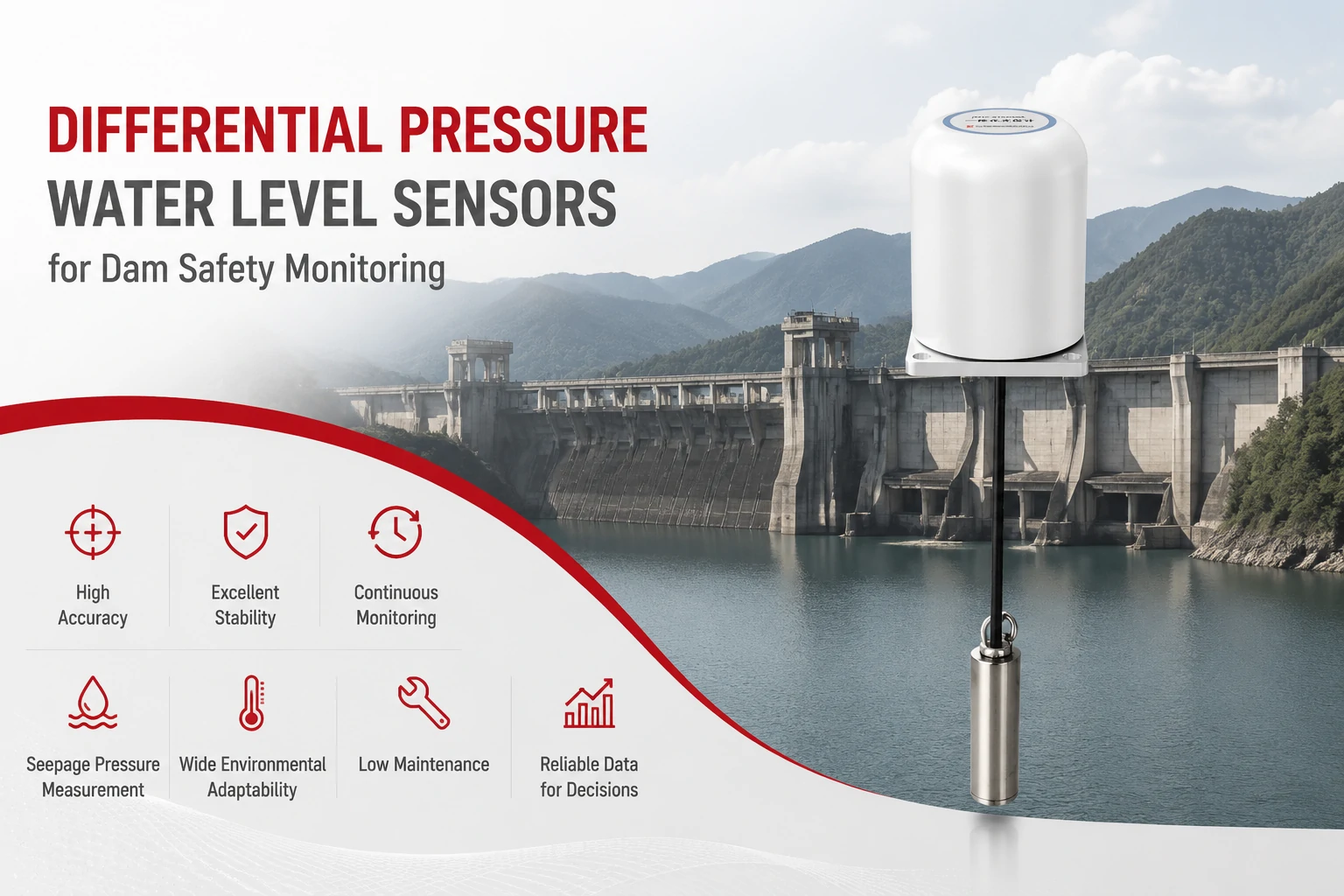
Key Takeaways The strongest fit is usually a confined, submerged, or s...
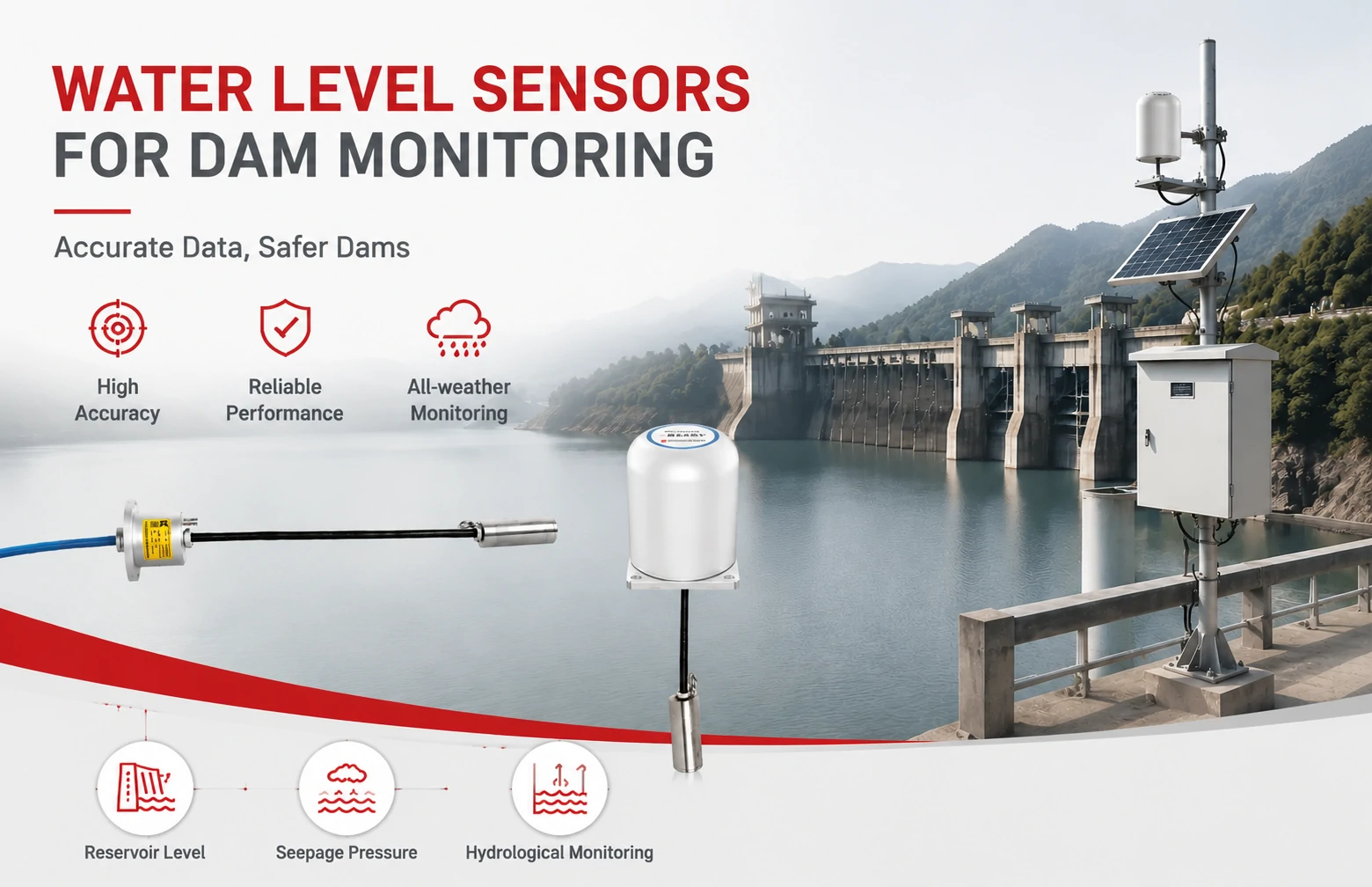
Kingmach Water Level Sensors for Dam Monitoring: A Buyer's Guide to Differential Pre...
Products
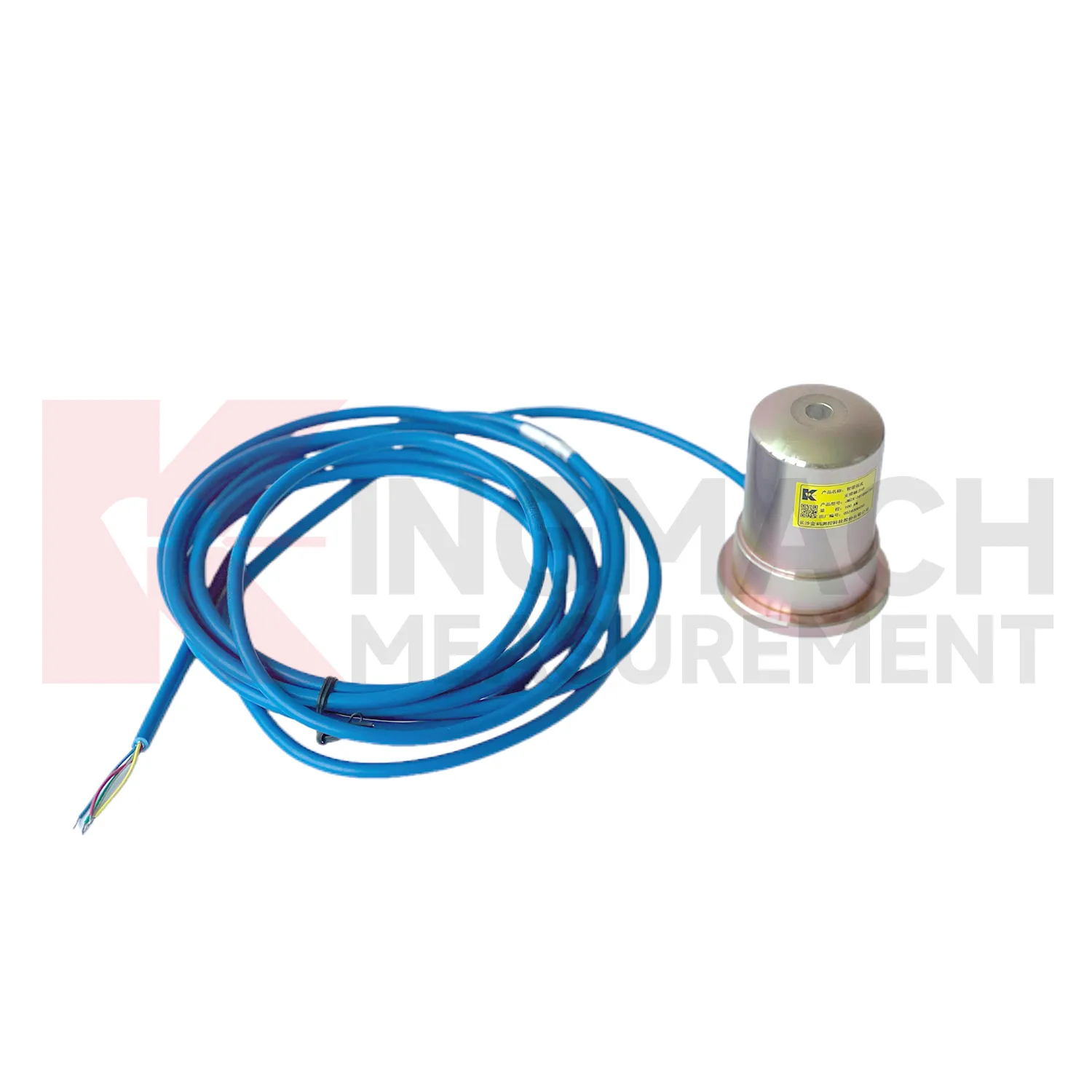
Smart Formwork Axial Force Meter(VW)JMZX-39XXHAT
View Details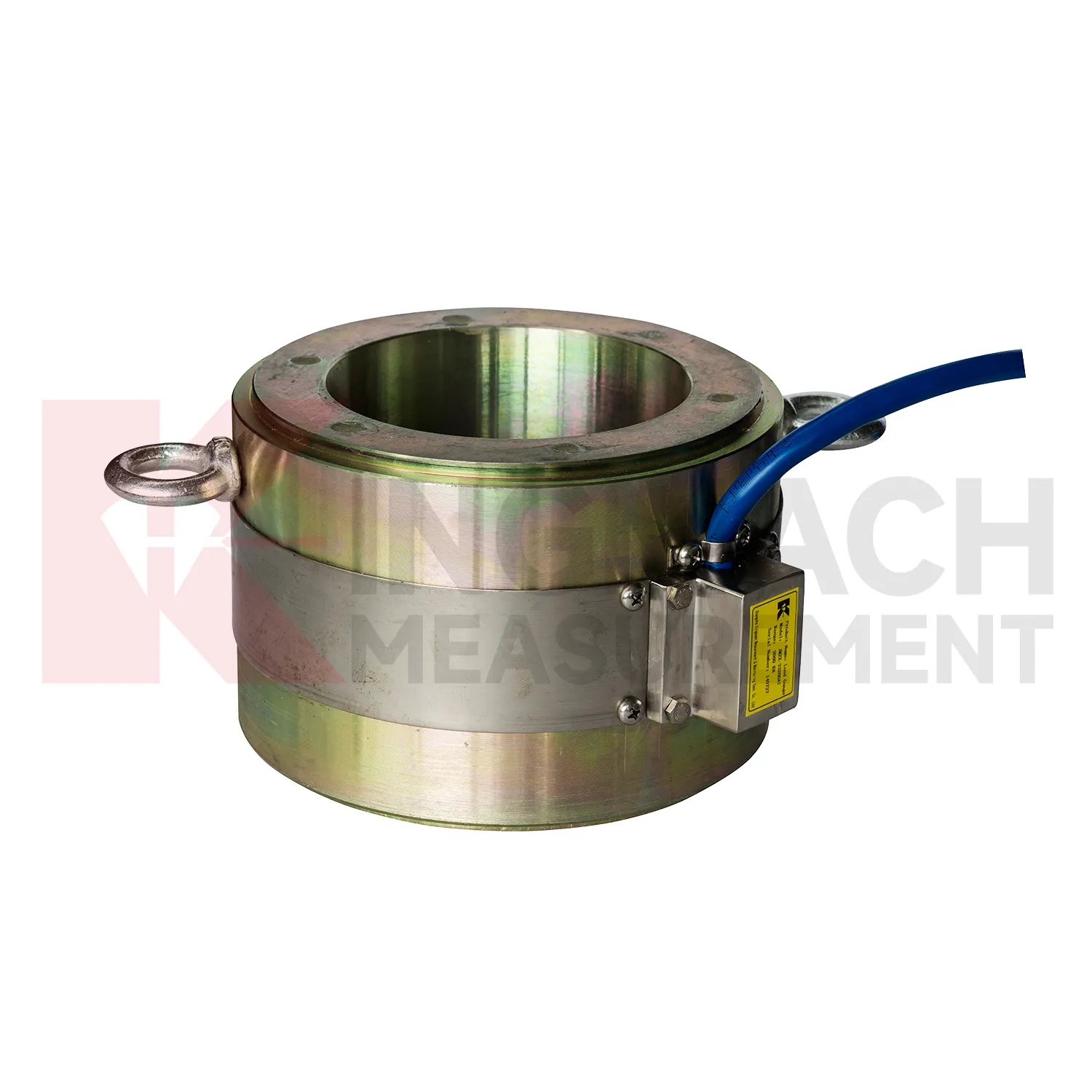
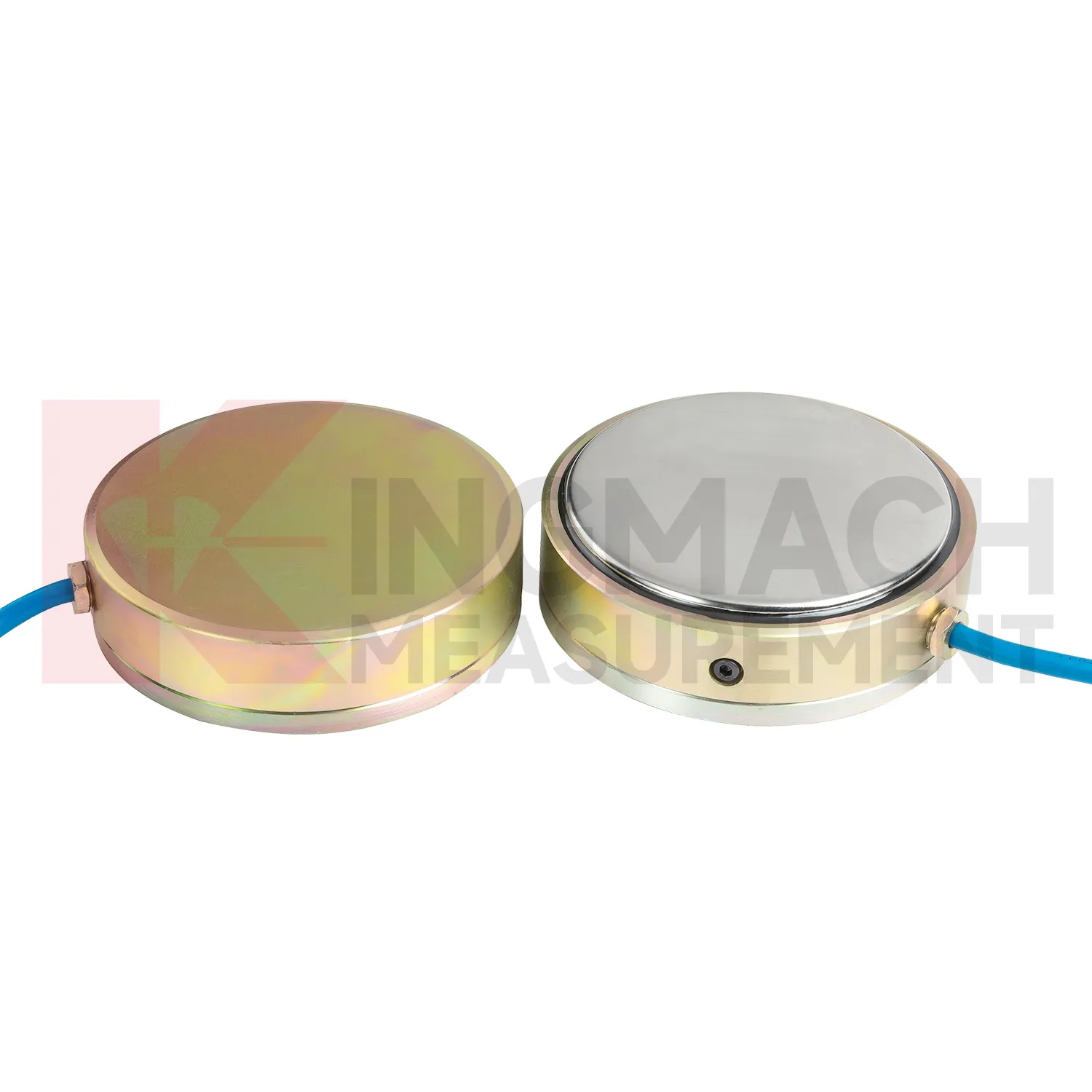
Large Earth Pressure Cell ( VW & Smart Type) JMZX-51XXAT/ ATM
View DetailsFAQ
You would normally size the load cell to about 1.2 to 1.5 times the maximum test load. That keeps you in the sensor’s most linear range without risking overload. Many engineers also check that the load cell’s safe overload rating (typically 150% FS) covers any surge the jack might produce.
The fully welded stainless steel versions are rated IP67 and have operated for months in flooded anchor monitoring setups. Just make sure the cable exit is properly sealed, or choose the option with a factory‑molded connector.
It combines nonlinearity, hysteresis, and repeatability into a total error band. For our standard geotechnical load cells, that band is typically 0.03–0.05% FS. The calibration certificate that ships with the unit shows the actual test data so you can verify it yourself.
Yes, we can integrate a digital amplifier module that outputs RS485 with Modbus RTU protocol. It is a common request for automated monitoring systems. The module can be housed inside the load cell body or in an inline enclosure, depending on space.
Annual recalibration is standard, though some specifications for critical structures ask for every six months. The drift is very small—typically under 0.1% FS per year—so the main risk is connector corrosion or cable damage, not the sensor itself.
Share your product type, target capacity, and application requirements. Our team can review the details and recommend a practical next step.
If you are interested in our products or want to become our partner.
Please leave your contact information, our team will contact you as soon as possible.
Mail: [email protected]
Contact Us: +8613808434127
Address: No. 188 Tongzipo West Rd, Changsha, Hunan, China