
 EN
EN
 ar
ar bg
bg hr
hr cs
cs da
da nl
nl fi
fi fr
fr de
de el
el hi
hi it
it ko
ko no
no pl
pl pt
pt ro
ro ru
ru es
es sv
sv tl
tl iw
iw id
id lv
lv lt
lt sr
sr sk
sk sl
sl uk
uk vi
vi et
et hu
hu th
th tr
tr fa
fa ms
ms hy
hy ka
ka ur
ur bn
bn mn
mn ta
ta kk
kk uz
uz ku
ku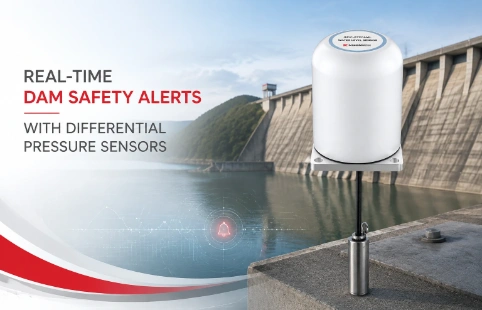
Real-Time Dam Safety Alerts with Differential Pressure Water Level Sensors
Key Takeaways An alert chain needs more than a sensor: define field in...

How Hydrostatic Level Sensor Principle Works
A pressure sensor submerged in a tank—that’s essentially how hydrostatic level measurement gets its readings. The principle is straightforward: as liquid depth increases, so does the pressure exerted by the fluid column. This relationship follows p = ρgh, where p is pressure, ρ is the fluid density, g is gravity, and h is the height of the liquid. So if you know the density, by measuring pressure you can calculate the level. It works for water, chemicals, fuels—any fluid that doesn’t react with the sensor housing. The sensor itself typically sits at the bottom or lowered into the fluid, and the reading gets corrected for atmospheric pressure if using a vented gauge design. Kingmach builds hydrostatic level sensors for geotechnical and process monitoring, where this simple but effective method helps track groundwater, reservoir levels, or liquid storage tanks. The sensors are designed to handle long-term submersion and harsh conditions while retaining accuracy. Instead of complex moving parts, they rely on solid-state silicon piezoresistive elements that translate pressure into an electrical signal. That means fewer mechanical failures and more consistent data over time. Users often ask about temperature shifts and density changes—real considerations that Kingmach addresses with built-in compensation. So the principle remains the same, but applying it correctly in the field takes careful engineering and material selection.
Technical Detail
Kingmach hydrostatic level sensors use the direct pressure-to-level relation to measure liquid heights across various sites. The core principle relies on sensing the hydrostatic pressure at a fixed point and converting it into a 4–20 mA or digital output. This method is favored in groundwater monitoring wells, open channels, and storage tanks because it doesn’t get confused by foam, vapor, or turbulence, unlike ultrasonic or radar methods. In practice, you need a sensor that compensates for temperature effects—density changes with temperature, after all. Kingmach integrates a temperature sensor in the probe and corrects the reading internally, which keeps the level accurate across a wide range. The sensing element is often a silicon piezoresistive chip, selected for its long-term stability and low drift. Housing material matters too: stainless steel or titanium keeps the sensor alive in corrosive fluids or deep immersion. The sensor cable includes a vent tube to equalize atmospheric pressure, so changes in barometric readings don’t throw off the level. Ranges can go from a few meters up to hundreds, depending on the diaphragm thickness and sensor construction. Installation is usually straightforward—lower the probe to the desired depth and anchor it. But you do need to consider cable length, because a long cable adds resistance and voltage drop, which the electronics must handle. For sites with data logging, the output can tie into Kingmach’s readout units or existing PLCs. Periodic recalibration might be necessary if the sensor is exposed to silt or biofilm buildup, but otherwise these sensors require little maintenance. Their main strength is simplicity: no moving parts, no need for the medium to be reflective or electrically conductive, just a clean pressure path. Kingmach provides these sensors with the required accuracy classes and offers customization for specific depth ranges and output protocols, so they fit into monitoring networks for dams, reservoirs, or industrial liquid storage.
News
Key Takeaways An alert chain needs more than a sensor: define field in...
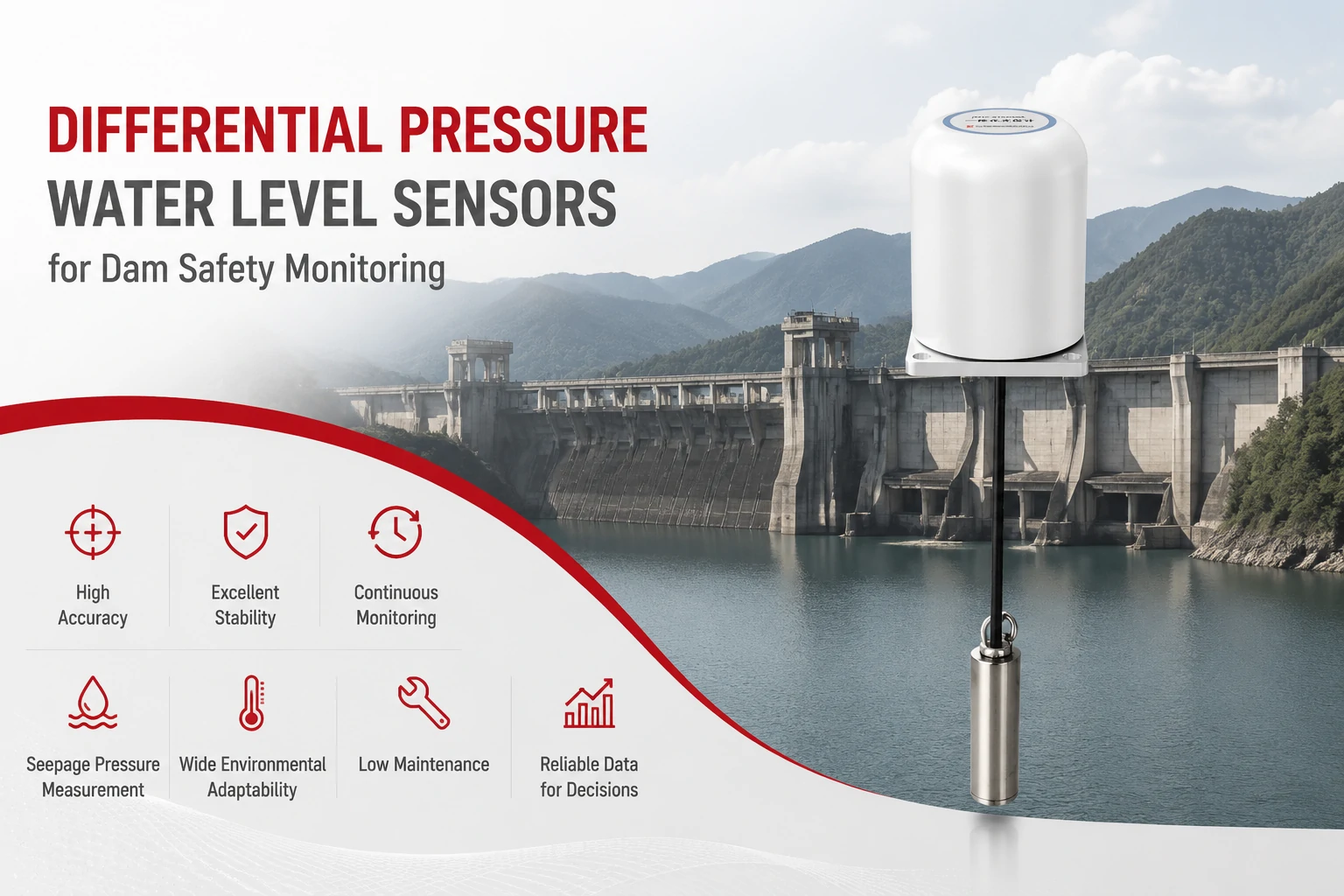
Key Takeaways The strongest fit is usually a confined, submerged, or s...
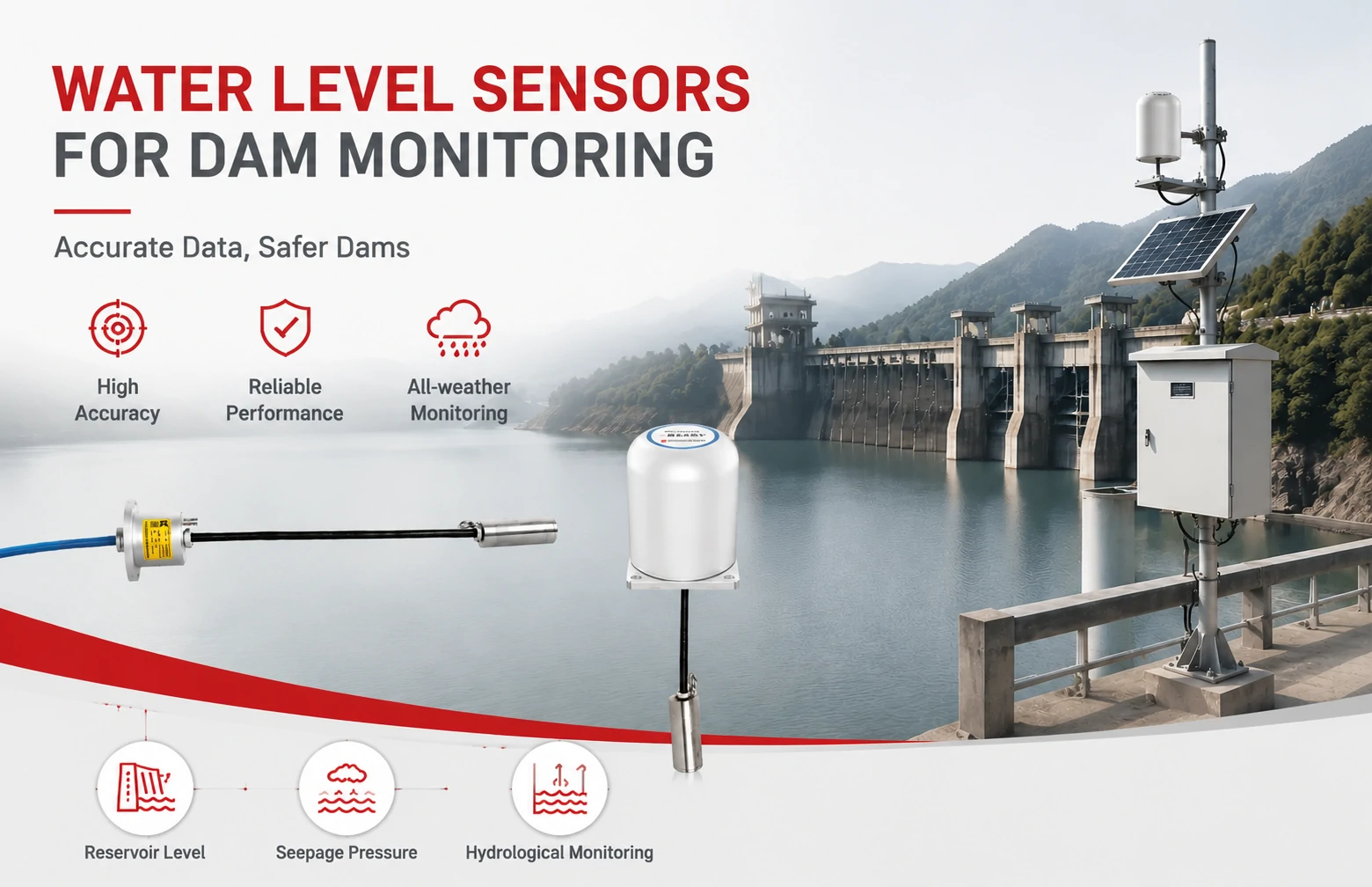
Kingmach Water Level Sensors for Dam Monitoring: A Buyer's Guide to Differential Pre...
Products
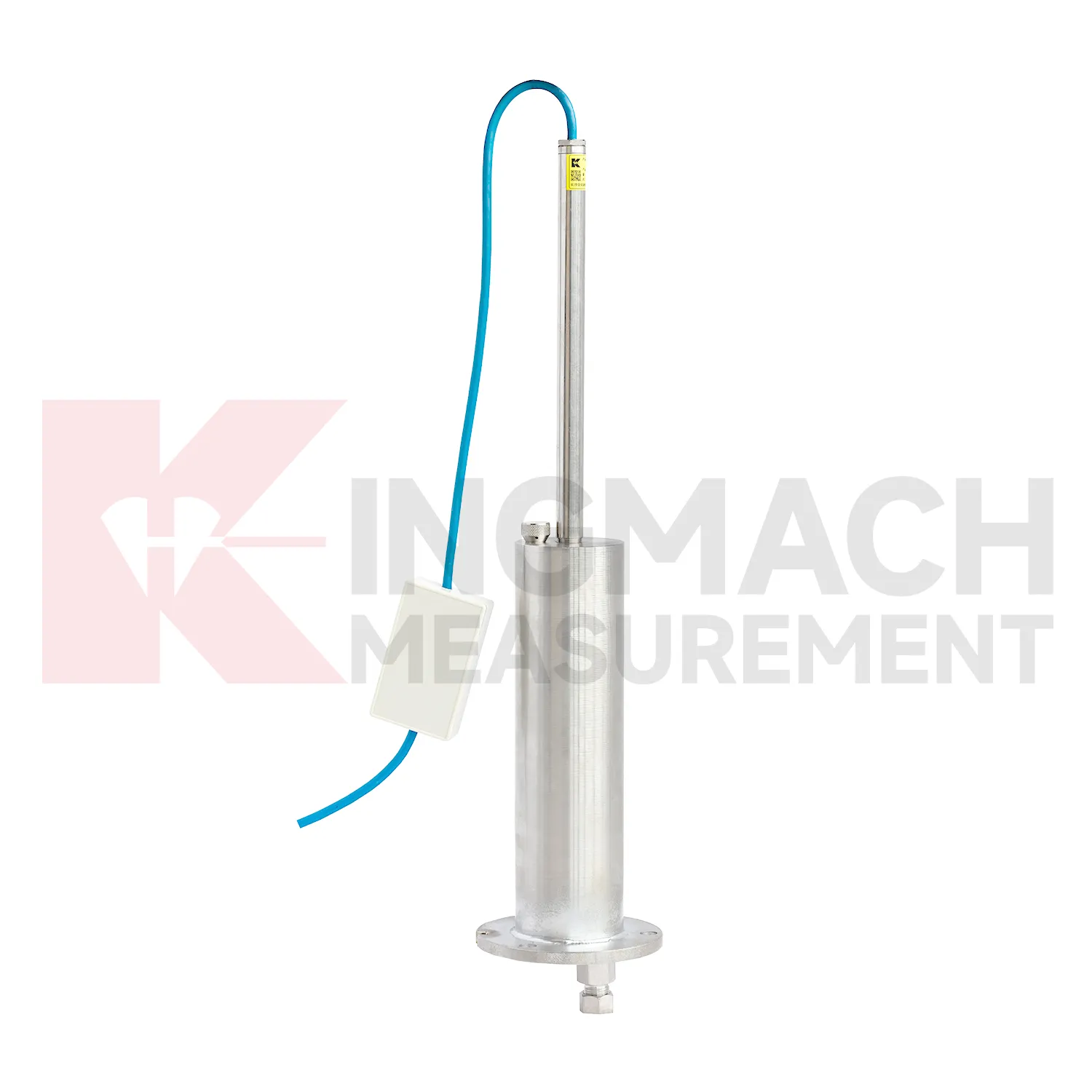
Inductive Frequency-Modulated Hydrostatic Level SensorJMDL-62XXAT、ADT
View Details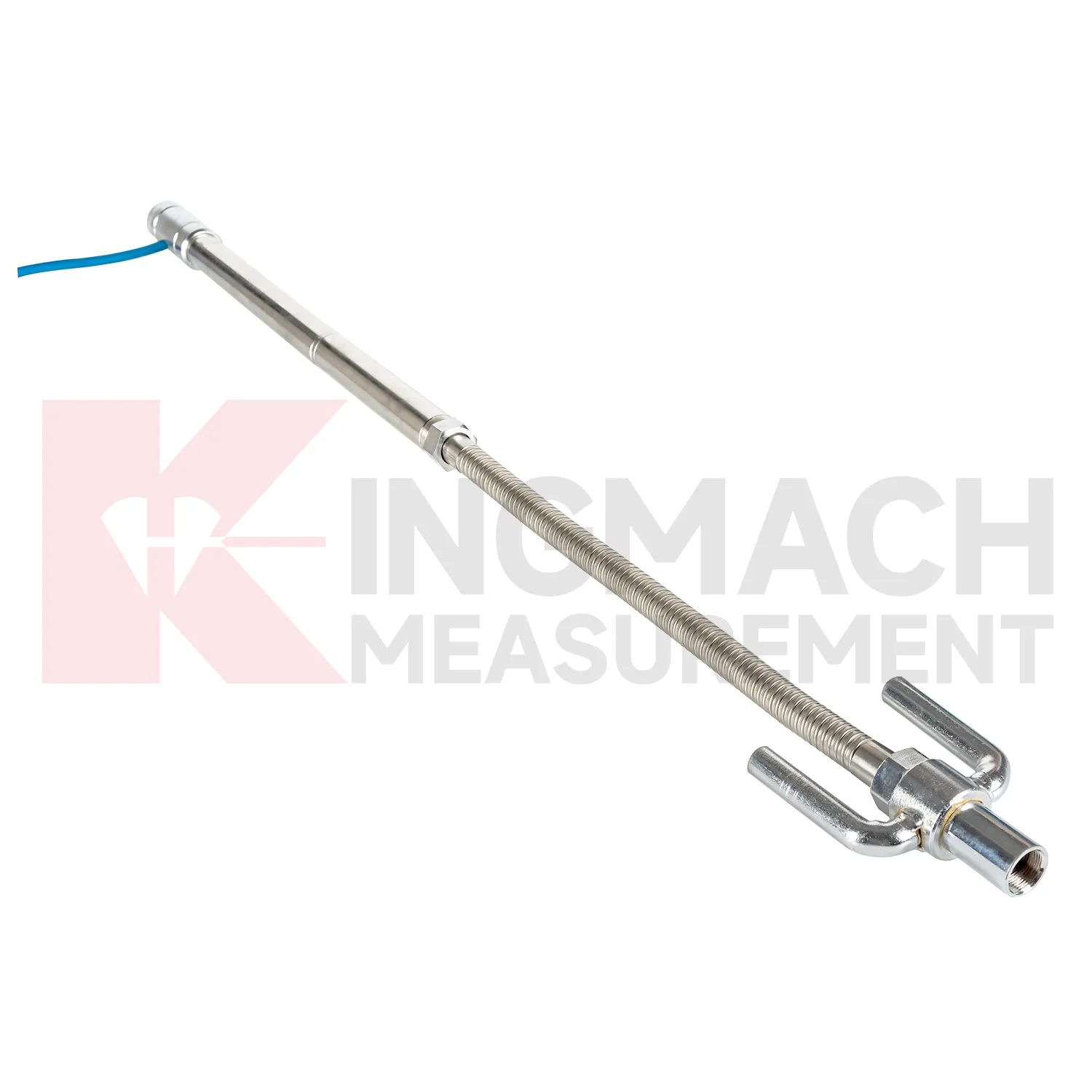
Smart Single-Point Settlement Gauge JMDL-47XXAT
View Details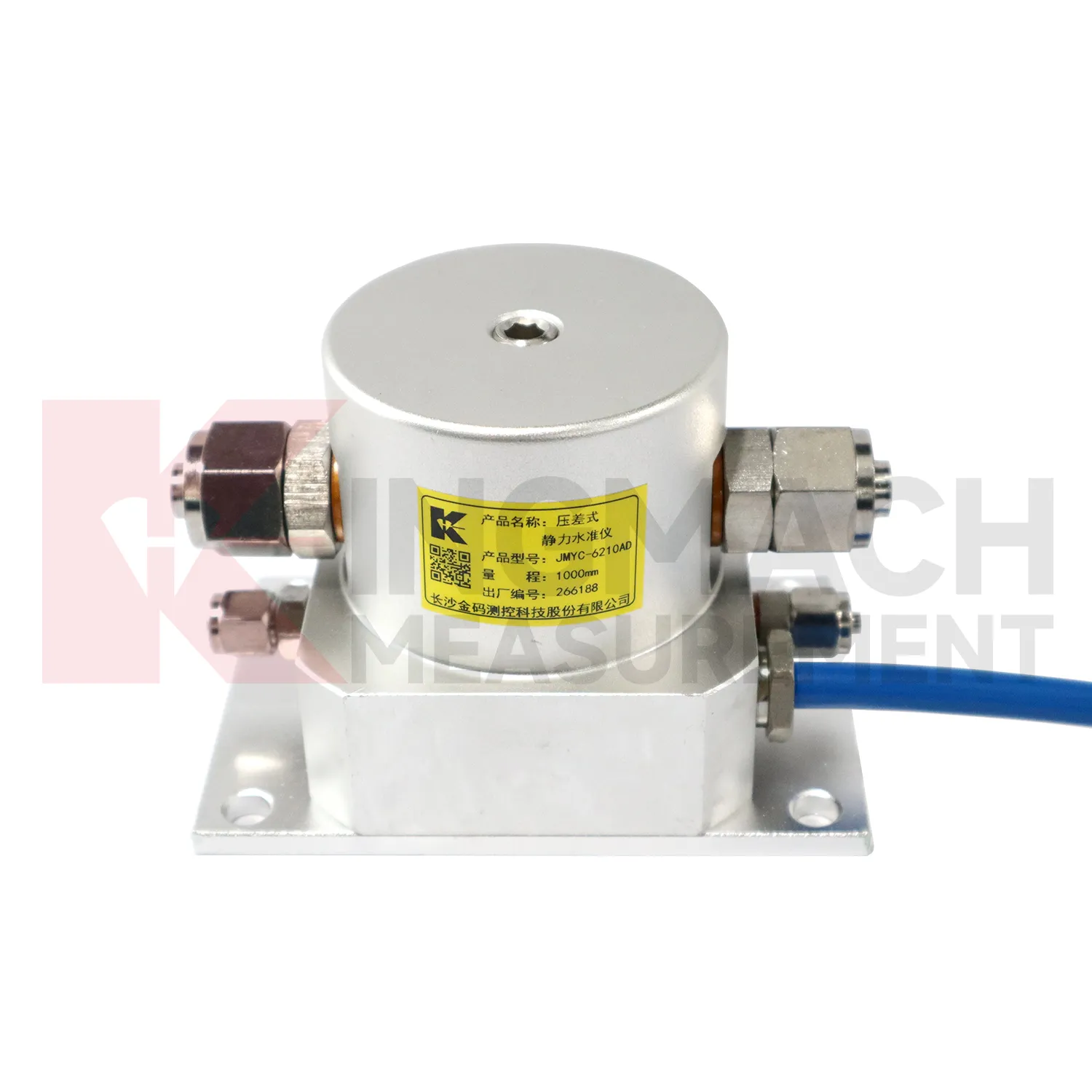
Wide-Range Differential Pressure Hydrostatic Level Sensor JMYC-62XXAD
View DetailsFAQ
It measures the pressure exerted by a liquid column. The deeper the fluid, the higher the pressure at the sensor. The sensor converts this pressure into a level reading using the formula p = ρgh, where density and gravity are known.
Yes, because fluid density shifts with temperature, and the sensor’s electronics can drift too. Kingmach sensors normally include a built-in temperature element and compensate the output automatically to stay accurate over their rated range.
Yes, they’re often installed in stilling wells to protect from debris and currents. The vent tube in the cable handles barometric pressure changes, so the reading reflects only the water height.
Choose a sensor with a range about 20% higher than the maximum expected liquid depth. Over-ranging can damage the diaphragm. Kingmach offers various standard ranges and can customize if needed.
Common outputs are 4–20 mA analog, which works over long cable distances, or digital like RS-485 with Modbus. We can specify the output type when ordering based on your monitoring equipment.
Share your product type, target capacity, and application requirements. Our team can review the details and recommend a practical next step.
If you are interested in our products or want to become our partner.
Please leave your contact information, our team will contact you as soon as possible.
Mail: [email protected]
Contact Us: +8613808434127
Address: No. 188 Tongzipo West Rd, Changsha, Hunan, China