
 EN
EN
 ar
ar bg
bg hr
hr cs
cs da
da nl
nl fi
fi fr
fr de
de el
el hi
hi it
it ko
ko no
no pl
pl pt
pt ro
ro ru
ru es
es sv
sv tl
tl iw
iw id
id lv
lv lt
lt sr
sr sk
sk sl
sl uk
uk vi
vi et
et hu
hu th
th tr
tr fa
fa ms
ms hy
hy ka
ka ur
ur bn
bn mn
mn ta
ta kk
kk uz
uz ku
ku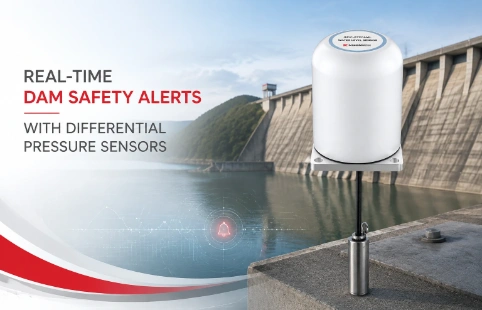
Real-Time Dam Safety Alerts with Differential Pressure Water Level Sensors
Key Takeaways An alert chain needs more than a sensor: define field in...

Non Contact Displacement Sensors for Geotechnical Use
Mounting a sensor on a vibrating bridge pier or a crumbling slope face often ends up damaging the instrument long before the data becomes useful. That’s where non contact displacement sensors come in. They measure movement from a distance using laser, eddy current, or capacitive techniques, so you’re not adding load or risking sensor integrity. Kingmach, a manufacturer focused on geotechnical instrumentation, has seen how standard catalog parts rarely fit the job perfectly. That’s why we offer custom sensor configurations—different ranges, outputs, and housings—to match specific site conditions. Whether it’s tracking millimeter shifts in a tunnel lining or monitoring a retaining wall’s tilt, the goal is repeatable, low-drift measurements that don’t require constant maintenance. Our customers are engineers who need to set and forget until the next reading, not babysit hardware. This approach has worked for projects from subway expansions to landslide early warning systems. We don’t claim our sensors are magic; they’re built for the mess and noise of real-world monitoring, where dust, moisture, and temperature swings are daily facts of life.
Technical Detail
Kingmach’s non contact displacement sensors are built for long-term geotechnical monitoring. Instead of a one-model-fits-all, we offer a range of sensing technologies—laser, eddy current, capacitive—so you can pick what works for your target surface and environment. Need to monitor a concrete dam’s expansion joint? A laser sensor with a natural target might do. Measuring shaft runout in a turbine? Eddy current is often the way. For applications where dust or steam is present, capacitive sensors can be more forgiving. Our team helps match the sensor to the job, and we don’t shy away from customizing mounting hardware or cable lengths. The sensors output standard industrial signals, so they slot into existing monitoring systems without fuss. Because geotechnical sites rarely have controlled conditions, we focus on ruggedness: IP65 or better housings, temperature compensation, and designs that ignore minor vibrations. After the sale, we provide technical support to troubleshoot installation quirks or data anomalies—something that’s often overlooked when buying off the shelf. We also stock replacement parts and can expedite orders through our distribution network. While our sensors aren’t the cheapest on the market, they’re priced for reliability over years, not just initial installation. In short, we supply non contact displacement sensors that fit the real-world demands of infrastructure monitoring.
News
Key Takeaways An alert chain needs more than a sensor: define field in...
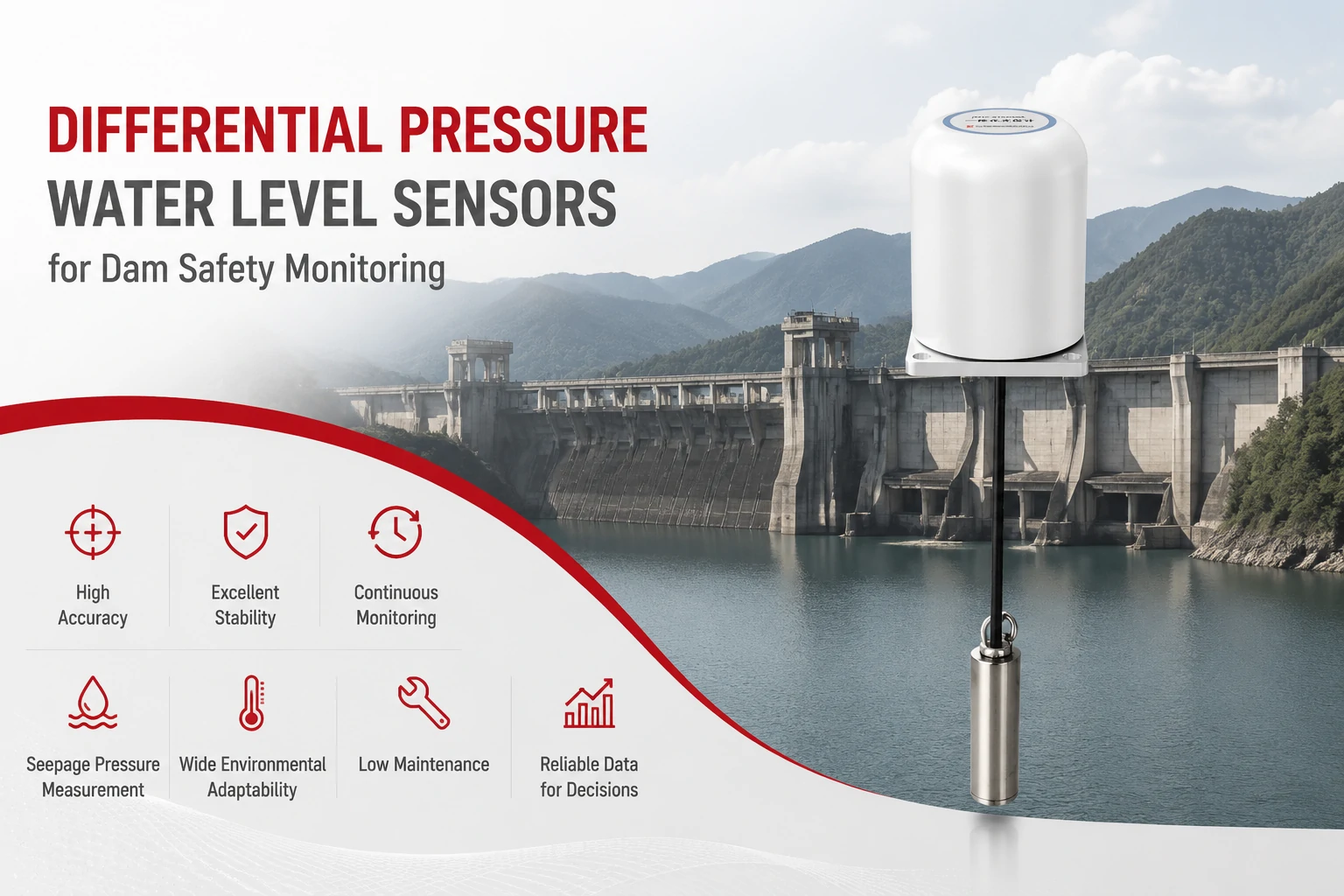
Key Takeaways The strongest fit is usually a confined, submerged, or s...
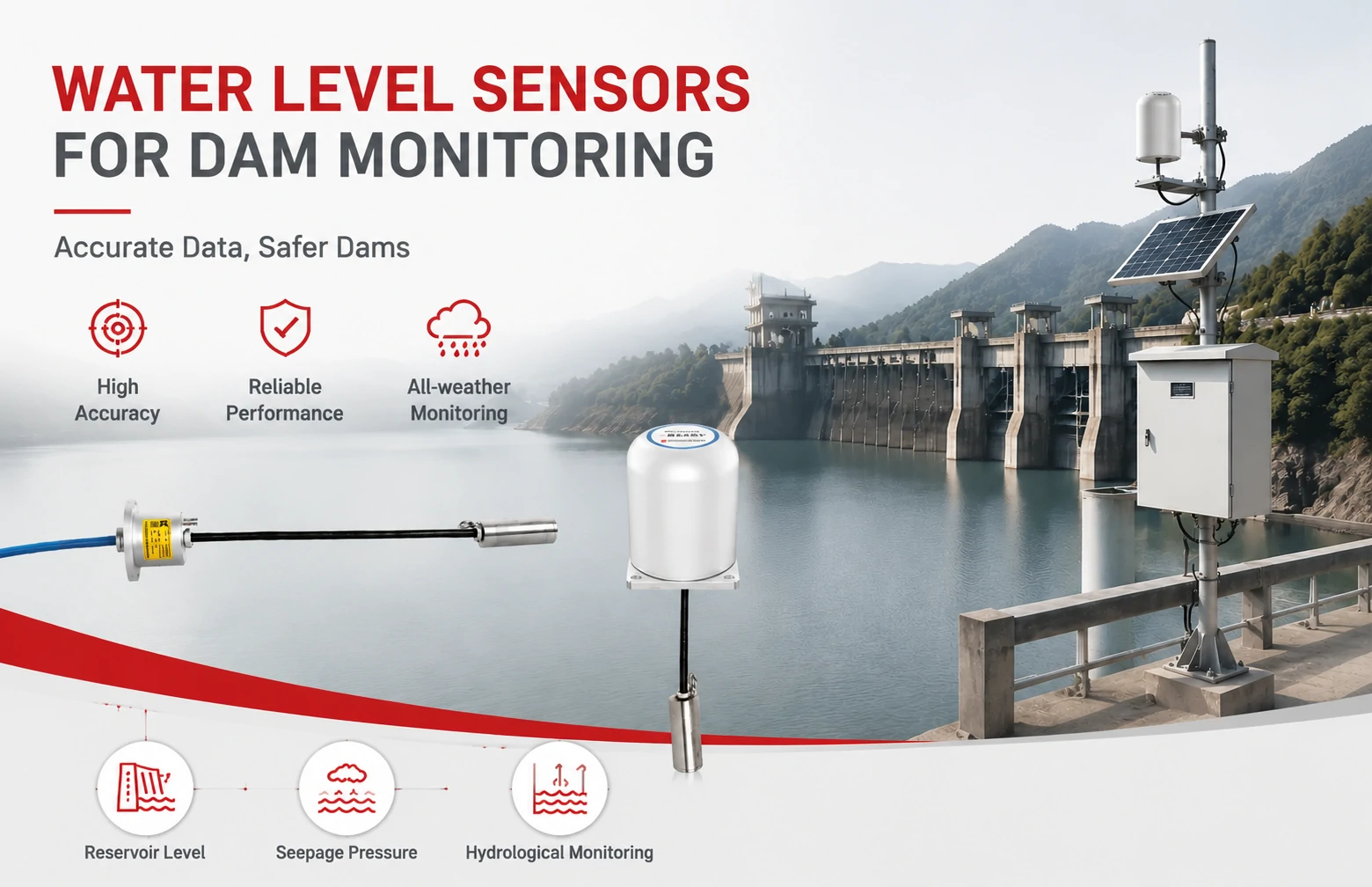
Kingmach Water Level Sensors for Dam Monitoring: A Buyer's Guide to Differential Pre...
Products
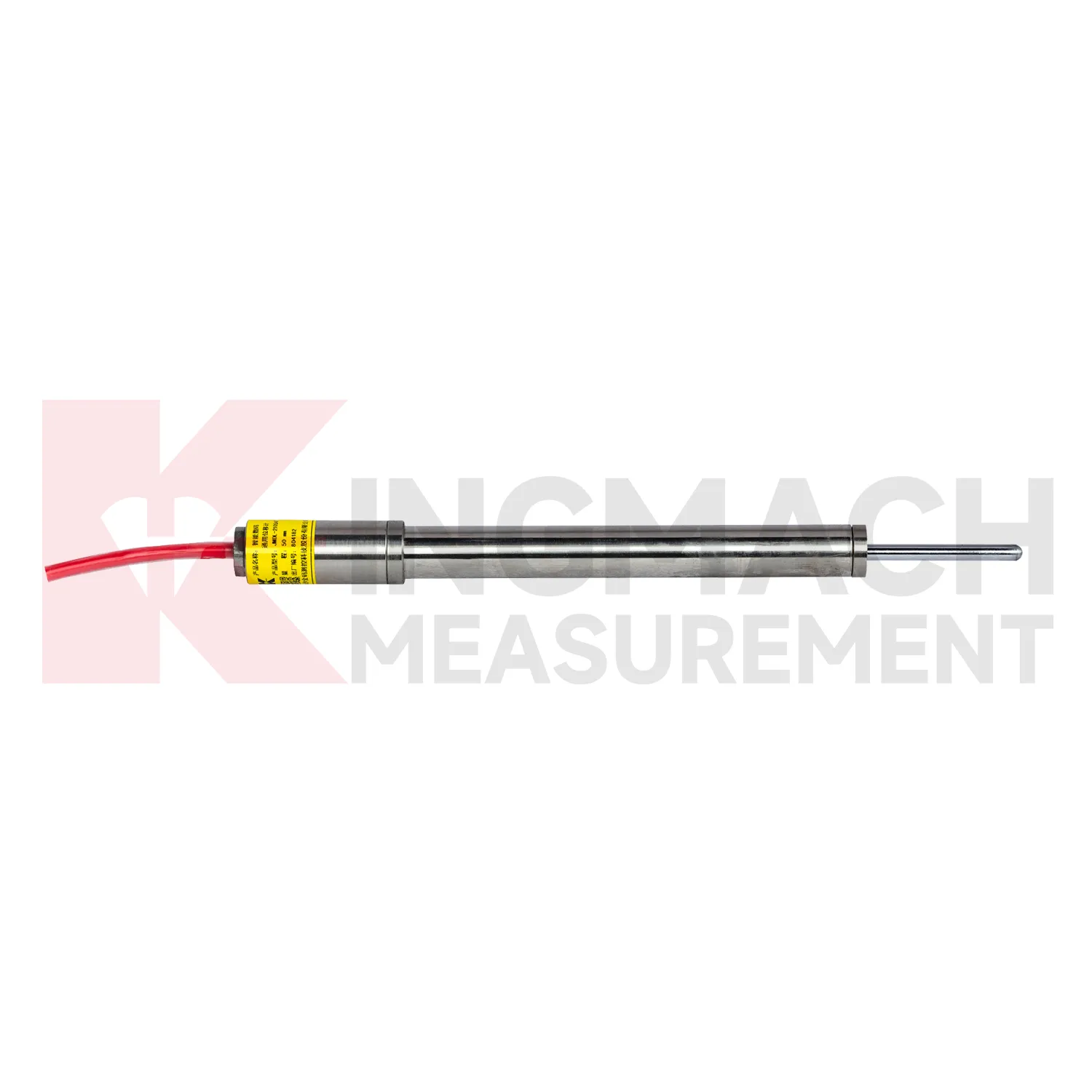
Smart General-Purpose Displacement MeterJMDL-21XXAT
View Details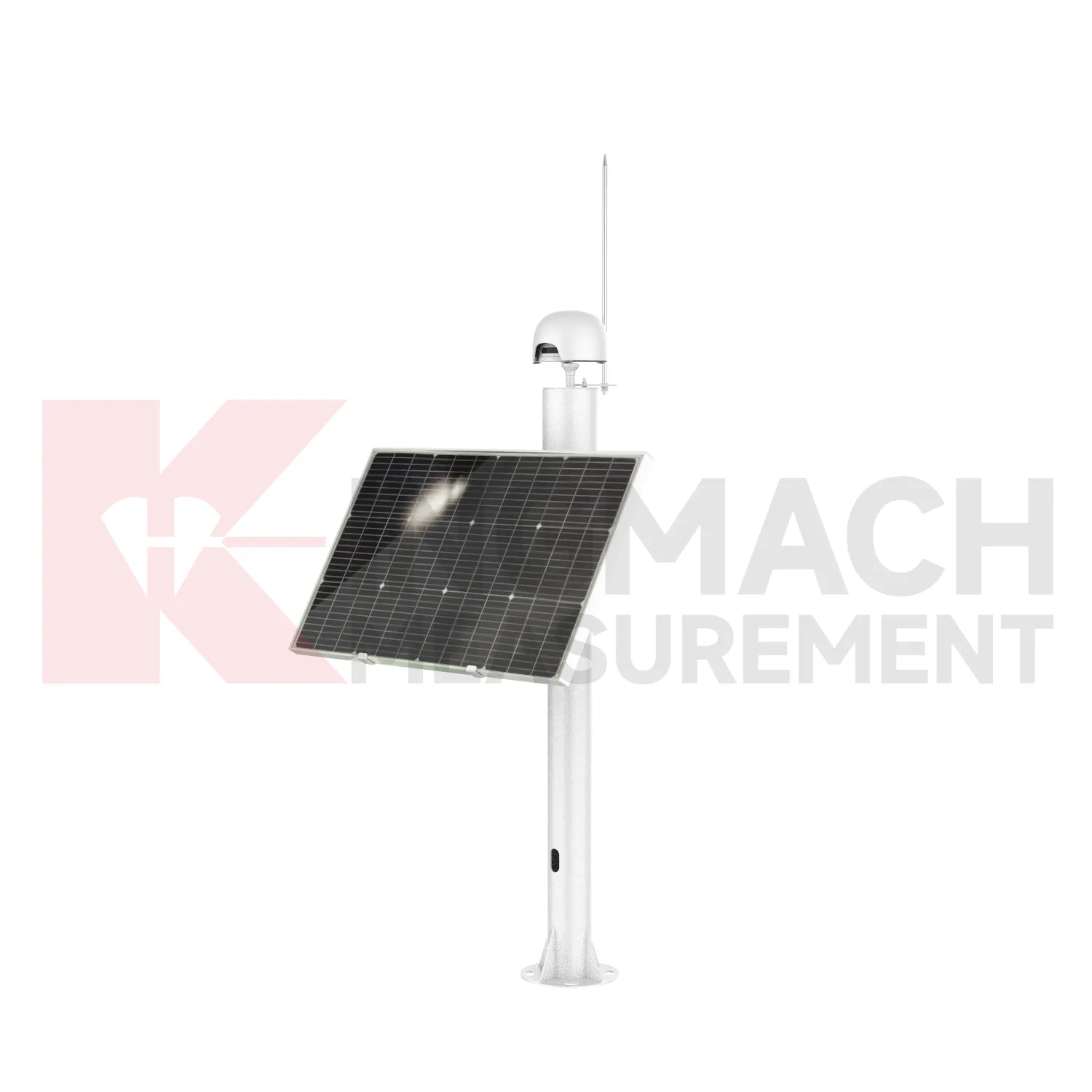
FAQ
Laser sensors use a light beam to measure distance from almost any surface, making them versatile for geotechnical work like monitoring crack width. Eddy current sensors generate a magnetic field and are best for conductive targets, often used in machinery health monitoring. The choice depends on target material and environmental factors.
Absolutely. Kingmach’s sensors come with IP65 or higher enclosures, and we offer protective housings for extreme environments. Laser sensors may need occasional lens cleaning, but capacitive and eddy current types are less affected by dust. We’ll help you pick the right sensor for your site’s conditions.
Accuracy depends on the technology and installation. Laser sensors can resolve micrometers, but long-term drift is controlled by temperature compensation and stable mounting. For geotechnical applications, we focus on repeatability—the sensor’s ability to track movement consistently—more than lab-grade absolute accuracy. Typical drift is minimized through design and calibration.
Yes, most Kingmach sensors output industry-standard signals like 4-20mA, 0-10V, or RS-485. If your logger accepts these, integration is straightforward. We also provide wiring diagrams and can recommend compatible loggers if needed.
We do. Custom brackets, extended cables, and specific measurement ranges are common requests. Send us a drawing or describe the installation challenge, and our engineers will propose a solution. There’s no extra charge for reasonable modifications, though we’ll always confirm lead time.
Share your product type, target capacity, and application requirements. Our team can review the details and recommend a practical next step.
If you are interested in our products or want to become our partner.
Please leave your contact information, our team will contact you as soon as possible.
Mail: [email protected]
Contact Us: +8613808434127
Address: No. 188 Tongzipo West Rd, Changsha, Hunan, China