
 EN
EN
 ar
ar bg
bg hr
hr cs
cs da
da nl
nl fi
fi fr
fr de
de el
el hi
hi it
it ko
ko no
no pl
pl pt
pt ro
ro ru
ru es
es sv
sv tl
tl iw
iw id
id lv
lv lt
lt sr
sr sk
sk sl
sl uk
uk vi
vi et
et hu
hu th
th tr
tr fa
fa ms
ms hy
hy ka
ka ur
ur bn
bn mn
mn ta
ta kk
kk uz
uz ku
ku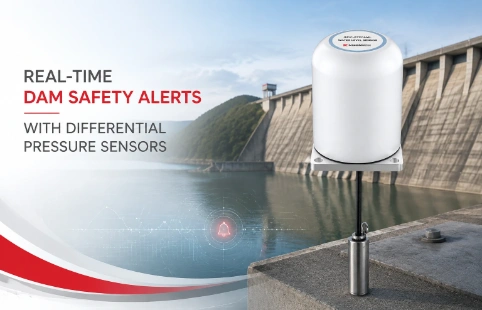
Real-Time Dam Safety Alerts with Differential Pressure Water Level Sensors
Key Takeaways An alert chain needs more than a sensor: define field in...

Wireless Acquisition Module That Fits Your Monitoring Setup
Running cables across a construction site or landslide zone is rarely practical. Long distances eat into budgets, and harsh conditions punish exposed wiring. A wireless acquisition module removes that headache by forwarding sensor readings over radio or cellular without trenching or conduit. At Kingmach, we see these modules as the workhorse of modern monitoring networks, so we design ours to connect with the geotechnical instruments we already supply—inclinometers, piezometers, crack meters—and to drop into both new installations and legacy upgrades. Builders and consultants tell us they want three things: long battery life to reduce maintenance visits, straightforward pairing with common loggers, and packaging that survives heavy rain and dust. That feedback turned into features like ultra-low sleep currents, Modbus and SDI-12 support, and compact polycarbonate enclosures. Whether the job is a slope stability watch in Southeast Asia or a dam safety overlay in South America, the idea stays the same: get data to the office without buried cables or unnecessary site trips.
Technical Detail
A wireless acquisition module bridges the gap between field sensors and the central data platform, and Kingmach builds ours for exactly that middle role. We skipped the one-size-fits-all approach and focused on interoperability with the geotechnical instruments already common on job sites. The modules typically support multiple analog and digital interfaces—4–20 mA, vibrating wire, RS-485—so engineers can keep their preferred inclinometers, piezometers, or load cells while dropping the wired link. On the radio side, options include LoRa for long range with minimal power, 4G where cellular coverage exists, or local ISM bands for short-haul clusters. Power consumption sits at microamp levels during idle, letting the module run on a small battery pack or a solar panel for years in many climates. Kingmach can pre-configure acquisition cycles, alarm thresholds, and data-push schedules before shipping, or customers can adjust them later over the air. Enclosures are rated IP67 or better, sealed against dust ingress and temporary immersion—a requirement many monitoring teams list after the first rainy season. Because we manufacture instruments as well, customizations like extended temperature ranges, multi-sensor ports, or specific mounting brackets are handled in-house rather than through a third party. This also means technical support speaks the language of geotechnical monitoring, not just electronics. For contractors integrating a wireless acquisition module into an existing SCADA setup, Kingmach provides Modbus register maps and protocol documentation so the stream fits without protocol converters and translation layers that delay readings. For smaller agencies that only need periodic manual downloads, the module can log locally and handshake with a mobile app over BLE. Distribution partners in over twenty countries carry stock and spare parts, which cuts lead time compared to ordering from a single factory. In short, the wireless acquisition module is less a gadget and more a flexible node that adapts to how field crews already work, and Kingmach backs it with the same warranty and training plan applied to our wired dataloggers.
News
Key Takeaways An alert chain needs more than a sensor: define field in...
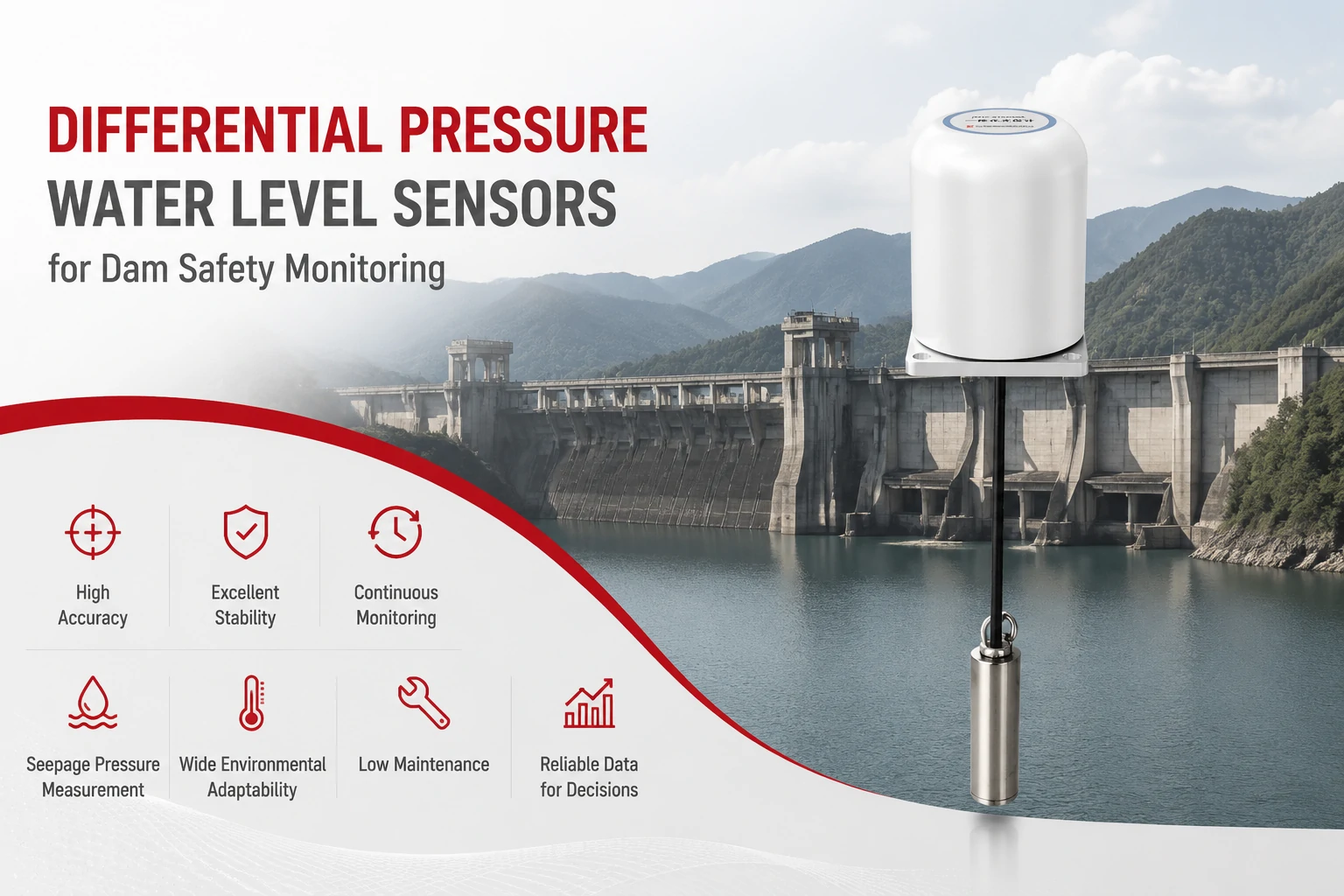
Key Takeaways The strongest fit is usually a confined, submerged, or s...
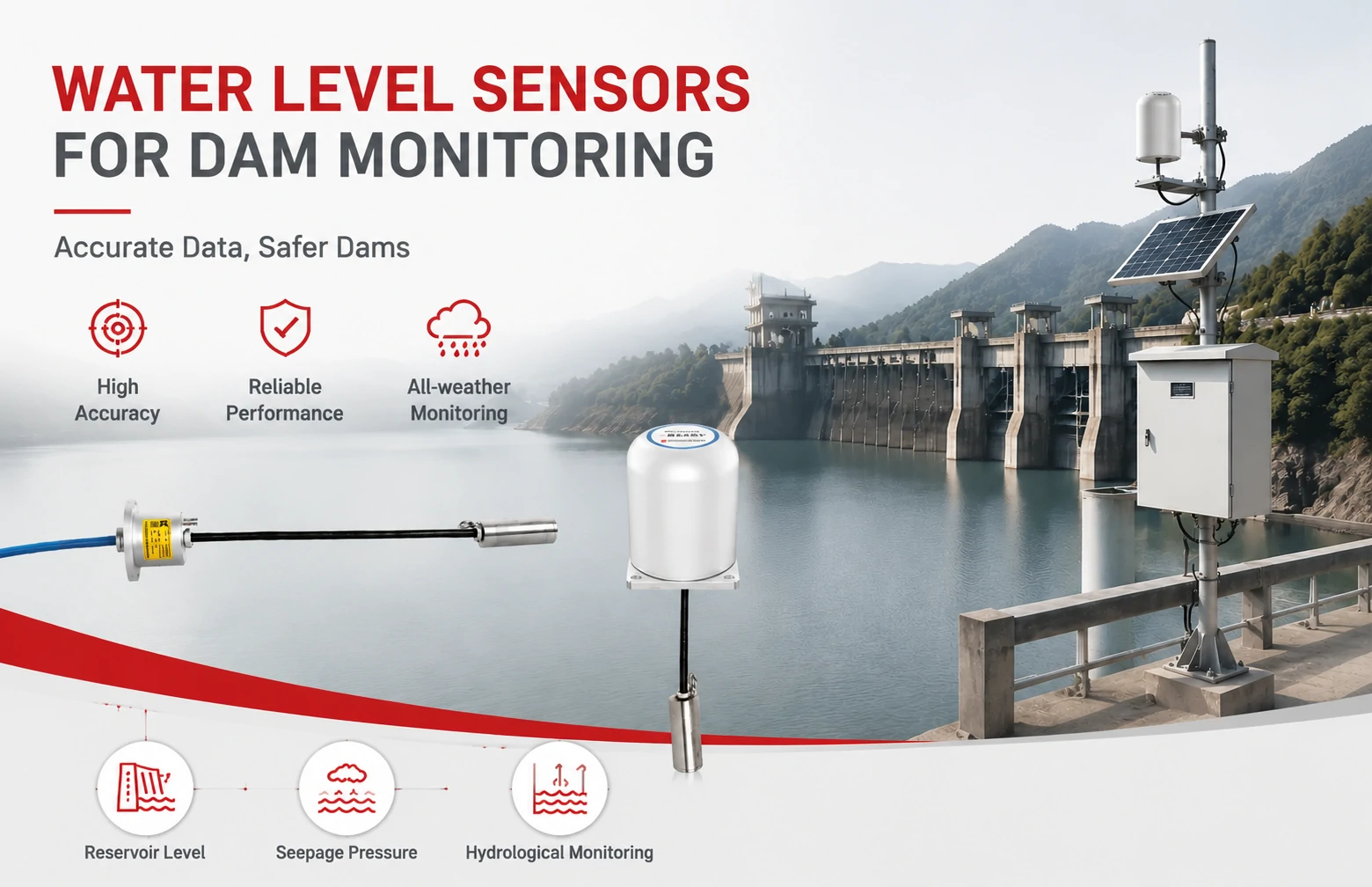
Kingmach Water Level Sensors for Dam Monitoring: A Buyer's Guide to Differential Pre...
Products
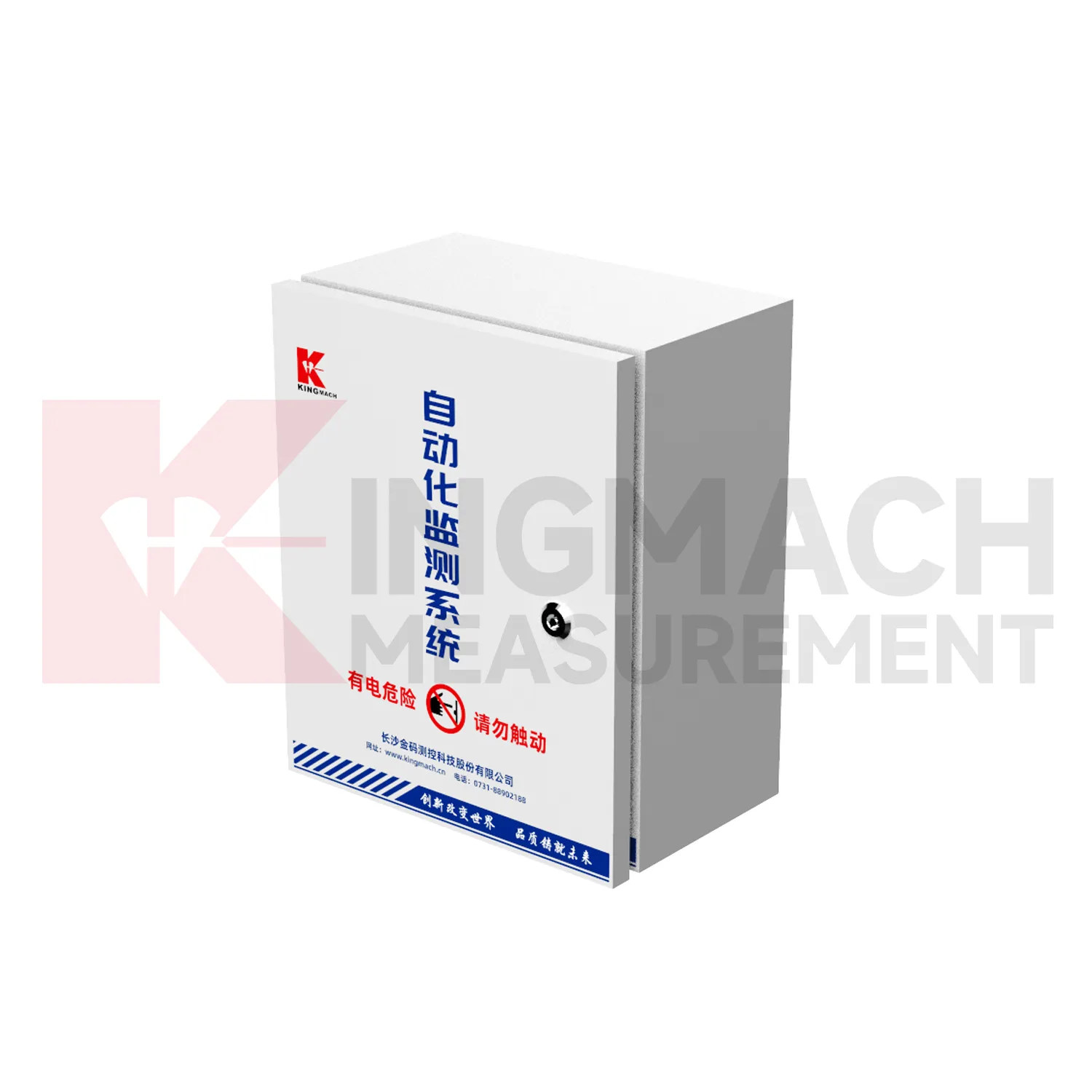
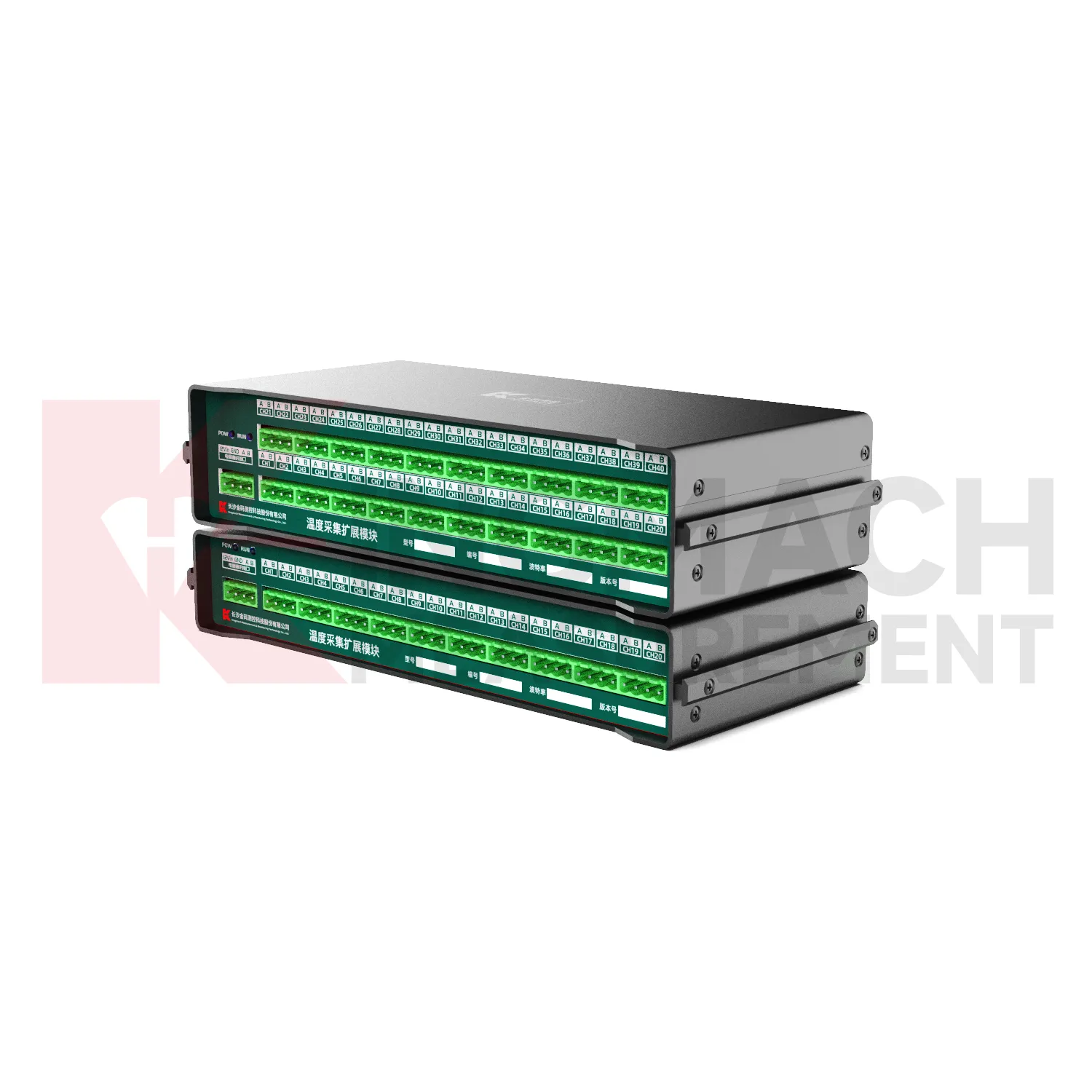
Temperature Acquisition Expansion Module JMWT-XXRTH
View Details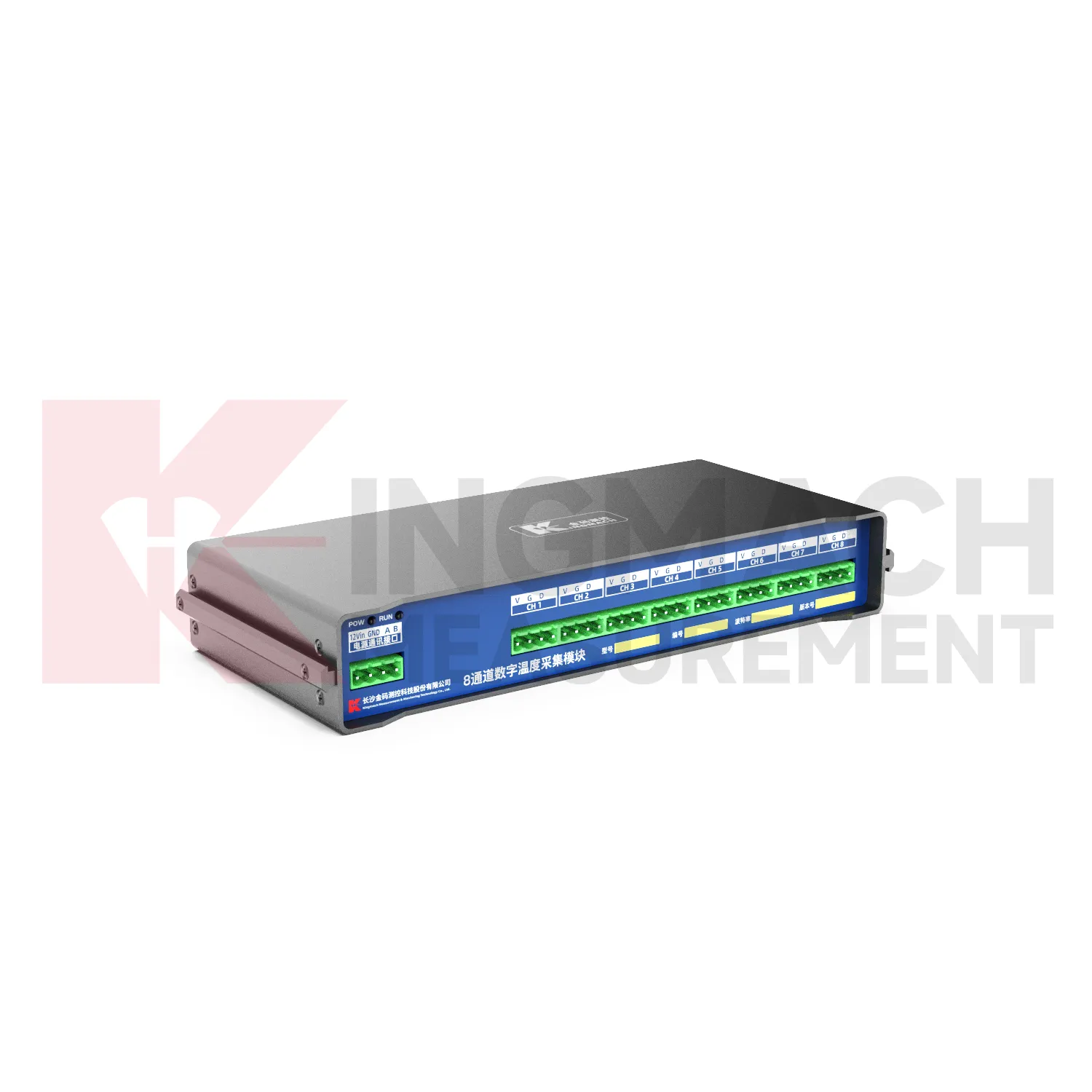
8-Channel Digital Temperature Acquisition ModuleJMWT-8DTH
View DetailsFAQ
Usually yes. Most Kingmach modules accept standard industrial signals like 4–20 mA, 0–5 V, vibrating wire, and digital protocols such as RS-485 or SDI-12. If a sensor falls outside those ranges, we can discuss custom input conditioning, but typical geotechnical instruments from major brands connect without extra hardware.
It depends on how frequently you sample and transmit. With a once-per-hour acquisition schedule and LoRa or NB-IoT radio, a standard lithium pack often lasts two to three years. More aggressive settings, like a reading every five minutes over 4G, will drain the battery faster. We help size the power supply during project planning, and many sites pair the module with a small solar panel to stay maintenance-free.
The modules are built with local storage—usually enough for tens of thousands of time-stamped records. If the link goes down, readings are saved internally until the connection recovers. You can set the module to retry transmission at intervals or simply download the log during a site visit. This design has proven useful in mountainous areas where cell coverage can be patchy.
The standard housing carries an IP67 or higher rating, which means it handles heavy rain, temporary submersion, and dust. For direct burial, we recommend an additional outer conduit or vault, but the module itself tolerates being half-covered in mud or snow. We have units operating in alpine permafrost and tropical monsoons, and the polycarbonate shell holds up well against UV and thermal cycles.
Many models support multi-channel configurations from the start, but even single-channel versions can sometimes be upgraded via a firmware change or an external multiplexer. If you think the monitoring plan will expand, let us know early—we can over-spec the input ports during production so you don't need to swap hardware down the line.
Share your product type, target capacity, and application requirements. Our team can review the details and recommend a practical next step.
If you are interested in our products or want to become our partner.
Please leave your contact information, our team will contact you as soon as possible.
Mail: [email protected]
Contact Us: +8613808434127
Address: No. 188 Tongzipo West Rd, Changsha, Hunan, China